
Lieferung heute & morgen

Qualitätsgarantie

Willkommens-Angebote freischalten: KOSTENLOSE Lieferung | Bis zu 80 % RABATT | Kostenlose 30-Tage-JoyPlus-Testphase
App herunterladen
Choosing a new electric toothbrush can be overwhelming, given the vast array of models and marketing promises. Many devices advertise features with questionable practical benefits, while essential quality markers are often hidden in the fine print. This guide will help you cut through the noise and find a model that meets your actual needs without unnecessarily straining your budget.
As a Joybuy Product Recommendation Officer, I analyse market information to provide you with objective and practical guidance. We will highlight the most common pitfalls and the crucial technical parameters.
Common Pitfalls When Buying an Electric Toothbrush:
To make an informed decision, you should focus on three core technical aspects that directly impact cleaning performance and safety.
The market is dominated by two technologies that differ fundamentally in their operation:
The choice between these systems is often a matter of personal preference. Sonic toothbrushes are frequently recommended for users with sensitive gums.
One of the greatest advantages of an electric toothbrush is preventing damage caused by excessive pressure. An integrated toothbrush with a pressure sensor is therefore an indispensable feature. Modern systems warn the user in various ways when too much pressure is applied:
This feature protects tooth enamel and prevents gum recession, making it a crucial criterion for long-term oral health.
While entry-level models often offer only a single standard cleaning mode, more advanced devices feature multiple modes for specific needs. Useful programs include:
Some models also offer the ability to adjust the intensity within a program. This allows for even finer tuning to personal preferences and the daily condition of your gums.
Based on the criteria mentioned, we have compiled a selection of models suitable for different user groups and their requirements.
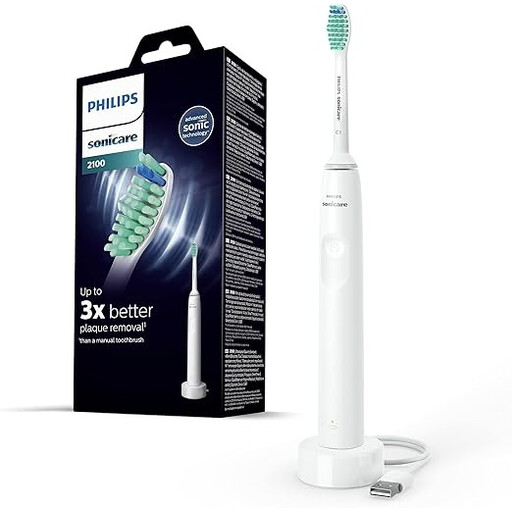
Why This Fits Their Persona: This model offers the core benefits of sonic technology at an accessible price point. It is ideal for anyone switching from a manual toothbrush who wants a noticeably better clean without costly extra features.
The device focuses on essential features like the 2-minute timer and the quad-pacer. It deliberately omits expensive app connectivity, whose benefits are often overestimated.
Proven Sonicare technology with up to 31,000 brush strokes per minute for effective plaque removal; long battery life of up to 14 days.

Why This Fits Their Persona: Specifically designed for users with sensitivity. The "Sensitive" mode, combined with three selectable intensity levels, allows for a very gentle yet thorough cleaning that can be adapted to individual needs.
The visual pressure sensor actively prevents gum damage from brushing too hard—a common user error that must be avoided, especially with sensitive gums.
Combines a gentle mode, adjustable intensity, and pressure sensor for a safe clean; BrushSync technology reminds you when to replace the brush head.
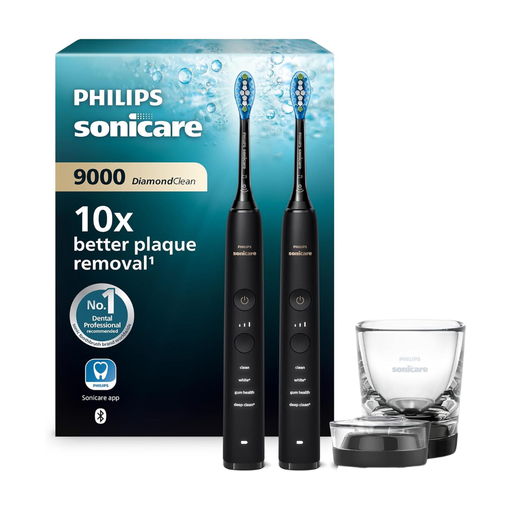
Why This Fits Their Persona: This set is aimed at discerning users who value state-of-the-art technology and a complete feature package. The app connectivity provides personalised coaching, while the double pack is ideal for couples or families.
Here, the app provides genuine added value through progress reports and personalised brushing tips, going beyond a mere gimmicky feature. The follow-up costs for brush heads are an expected part of a premium model.
Four brushing modes and three intensity levels for a fully customisable oral care routine; includes premium accessories like a charging glass and travel case.
We have compiled a complete, real-time updated list of products that fully meet these strict selection criteria and German safety regulations.
1. How often should you change the brush head on an electric toothbrush? Most manufacturers, including Philips Sonicare and Oral-B, recommend changing the brush head every three months. Many modern brush heads feature indicator bristles that fade in colour to show the optimal time for replacement. Regular replacement is crucial, as worn bristles significantly reduce cleaning performance and can damage the gums.
2. Can I use an electric toothbrush with sensitive gums? Yes, an electric toothbrush is often even more beneficial. A sonic toothbrush for sensitive gums cleans very gently through high-frequency vibrations. Look for a model with a dedicated "Sensitive" mode and a pressure sensor. This combination ensures a thorough cleaning without irritating the gums.
3. What is the difference between a sonic toothbrush and a rotating toothbrush? The main difference lies in the movement of the brush head. A sonic toothbrush uses an elongated head that vibrates at a high frequency, creating a fluid action that also cleans hard-to-reach areas. A rotating (oscillating-rotating) toothbrush has a small, round head that spins back and forth to mechanically remove plaque. The choice is often a matter of personal preference, though sonic technology is frequently perceived as gentler.