
Lieferung heute & morgen

Qualitätsgarantie

Willkommens-Angebote freischalten: KOSTENLOSE Lieferung | Bis zu 80 % RABATT | Kostenlose 30-Tage-JoyPlus-Testphase
App herunterladen
An electric toothbrush can help structure your daily oral care and make brushing easier. However, not every model is automatically the right choice. Products are often promoted for their high vibration rates, numerous programmes or especially long battery life, while important ongoing costs and compatibility issues receive less attention.
Figures such as 25,000, 31,000 or 66,000 movements per minute describe technical performance, but tell you little about how comfortable a toothbrush is to use. What matters is whether you can guide the brush head comfortably and whether the toothbrush has a timer and suitable pressure control.
A sonic toothbrush typically works with rapid vibrations. Oscillating-rotating models, such as those in the Oral-B iO range, move their round brush head differently. Both types need to be guided gently, without applying extra pressure.
Five to seven cleaning modes may sound impressive. For many adults, however, a straightforward standard mode and a lower intensity setting for getting started are enough. An electric toothbrush for sensitive gums should have easily accessible intensity settings and a pressure sensor. A programme alone is no substitute for a gentle brushing technique.
Brush heads need to be replaced regularly. As a practical guide, the products mentioned here should have their brush heads changed about every three months, or sooner if the bristles are damaged. Before buying, check:
An Oral-B iO handle needs iO-compatible replacement brush heads. According to the product information, classic Oral-B brush heads are not designed for iO models. Philips Sonicare click-on heads are generally compatible with many Sonicare handles, but not with the Philips One range. Always check the manufacturer’s compatibility list.
An electric toothbrush with a timer usually signals when the recommended two-minute brushing time is up. A reminder every 30 seconds divides your mouth into four sections. This makes it easier to follow a consistent routine, particularly if you’re new to electric toothbrushes.
A pressure sensor warns you if you’re pressing too hard, for example with a vibration, light signal or automatic adjustment. Several intensity settings or a Sensitive mode are also useful if you have sensitive gums. If discomfort or bleeding gums persist, seek advice from a dentist.
A rechargeable toothbrush with long battery life is convenient for everyday use, as long as the battery life suits your actual needs. Battery life claims are usually based on a set number of uses per day. A travel case protects the handle and brush head in your luggage. For air travel, switch the toothbrush off and carry it in accordance with the relevant airline’s requirements.
A sustainable electric toothbrush may stand out for its recycled materials, bio-based plastics or paper-based packaging. However, the battery, electronics and regular brush head replacements still have an impact. So look beyond the handle material and check the packaging, availability of spare parts and local guidance on battery disposal.
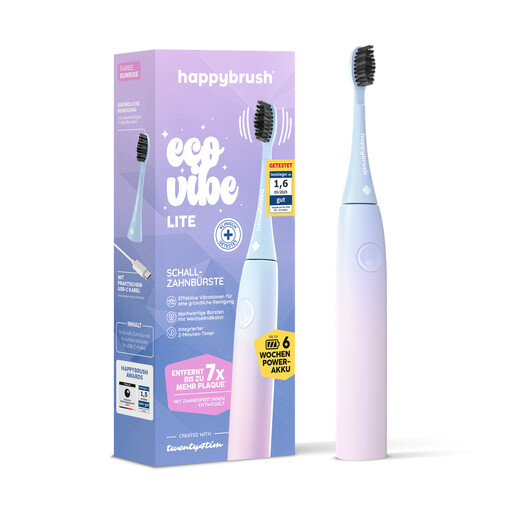
Why this product suits this type of user: This slimline model has a single cleaning mode, USB-C charging and a battery life of up to six weeks, according to the supplier. It’s a good choice if you’re looking for a straightforward sonic toothbrush without lots of settings.
The features are kept simple, rather than putting several rarely needed modes centre stage. A replacement brush head is included in the set.
Up to 25,000 vibrations per minute according to the product information, a two-minute timer with quadrant reminders, and a body made from 100% recycled material according to the supplier.
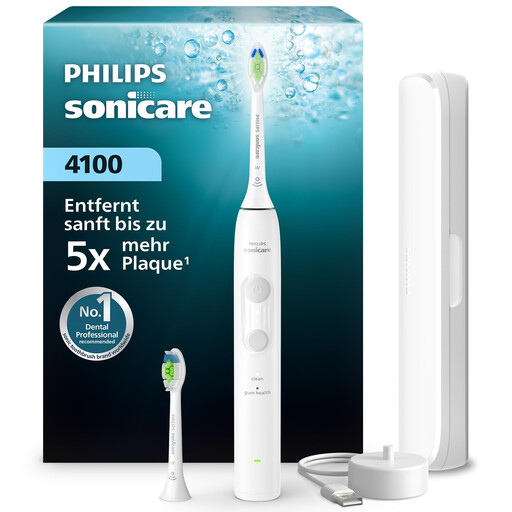
Why this product suits this type of user: This electric toothbrush for adults combines a pressure sensor, four cleaning settings, a travel case and two W2 brush heads. It’s aimed at users who want both convenience and adjustable settings for greater control.
The pressure sensor provides tactile feedback. The intensity settings let you ease into using the toothbrush without relying solely on high performance.
Up to 31,000 movements per minute according to the product information, up to 21 days of battery life and two two-minute timer functions for brushing each section of the mouth.
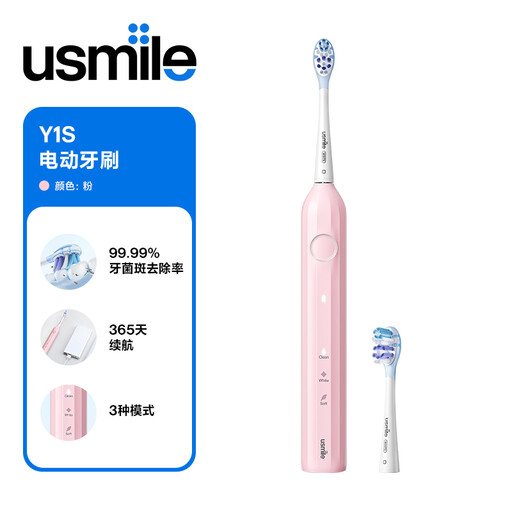
Why this product suits this type of user: Three cleaning modes, a timer, a travel case and a battery life of up to six months according to the supplier make this a good choice for frequent travellers and anyone who wants to charge less often.
The long battery life means fewer interruptions to recharge. However, check that compatible replacement brush heads are available before placing your order.
Up to 38,000 brush movements per minute according to the product information, three modes and a travel case included.
We’ve put together a comprehensive, regularly updated list of products that meet these strict selection criteria and fully comply with the safety regulations in force in the EU.
For Philips Sonicare, the C1 ProResults brush heads are compatible with Sonicare handles, except Philips One, according to the product information. Oral-B iO models, on the other hand, need special iO Ultimate Clean replacement brush heads. A pack of four heads will last around a year if you replace them every three months.
So when comparing prices, factor in the total cost of the handle, charging accessories and replacement heads. A low-cost toothbrush can work out less convenient in the long run if it uses proprietary or hard-to-find brush heads.
Its lifespan depends on the battery, charging electronics, care and use. Rinse the brush head after every use, leave it to dry and keep the charger away from direct contact with water. If the handle, cable or charger is damaged, stop using the toothbrush.
A general guideline is every three months or so. Replace it sooner if the bristles fray or come loose, or if the indicator bristles change colour significantly. When replacing the brush head, use only compatible models.
The electricity used for charging usually costs very little. Replacement brush heads are a more significant expense, as you may need to replace them several times a year, depending on the model and pack size. Before buying, check not just the price of the toothbrush, but also the cost and availability of compatible brush heads.