
Lieferung heute & morgen

Qualitätsgarantie

Willkommens-Angebote freischalten: KOSTENLOSE Lieferung | Bis zu 80 % RABATT | Kostenlose 30-Tage-JoyPlus-Testphase
App herunterladen
As an electric toothbrush owner, you know that cleaning performance depends heavily on the quality of the brush head. But the market for replacement heads is crowded and confusing. Navigating between genuine products, third-party alternatives, and a wide variety of specialty models makes it easy to lose track. The wrong purchase isn't just frustrating—it can compromise the effectiveness of your oral hygiene or even damage your gums.
This guide will help you avoid the most common pitfalls and objectively select the perfect replacement brush heads for your needs.
Before you make a decision, be aware of the most common issues that lead to unsatisfactory results:
To avoid making the wrong choice, focus on three objective parameters that determine a brush head's performance and safety.
The first and most critical step is to verify compatibility. Manufacturers specify precisely which model series their toothbrush heads are designed for.
Always check the product description for an explicit mention of your toothbrush model series.
The hardness of the bristles is crucial for both cleaning efficiency and gum protection. Your choice should be based on your individual oral health needs.
Modern electric toothbrush heads are often optimised for specific tasks. Consider which cleaning goal is your top priority.
Here are some recommendations tailored to specific user needs that meet the quality criteria mentioned.
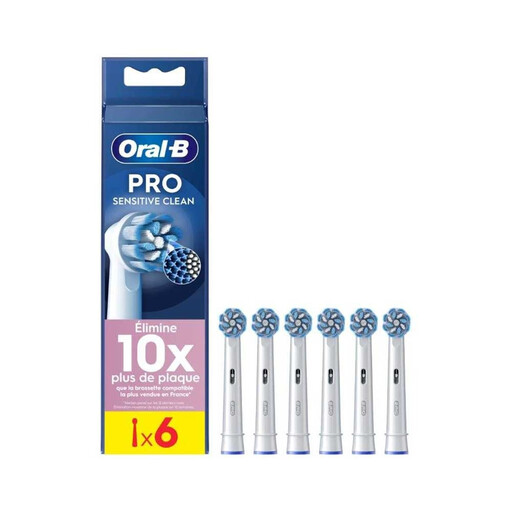
Why This Fits Their Persona: Ideal for users who need a thorough clean but are prone to gum irritation. The soft bristles are specifically designed for gentle care.
This brush head avoids the inferior bristle trap by using genuine Oral-B quality with soft, well-rounded bristles proven to be designed for sensitive areas.
Provides gentle yet effective plaque removal. The 6-pack value size covers over a year's supply with regular changes.
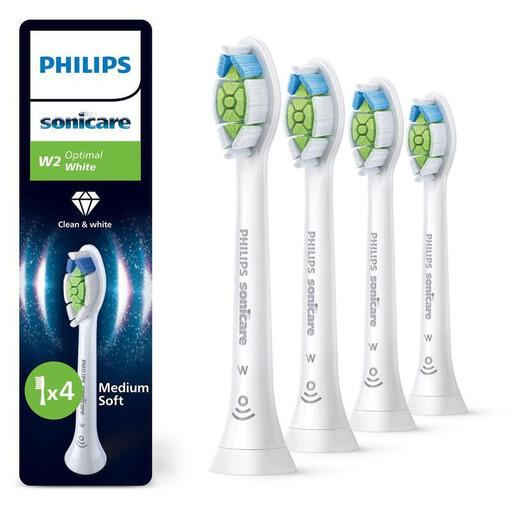
Why This Fits Their Persona: Suitable for users who want to reduce surface stains from coffee, tea, or nicotine. The design is engineered for stain removal.
Instead of vague promises, this head relies on a specific design feature: densely packed, diamond-shaped bristles that increase surface contact to help remove stains.
Removes up to 7x more plaque than a manual toothbrush, according to the manufacturer. The 4-pack provides a one-year supply.
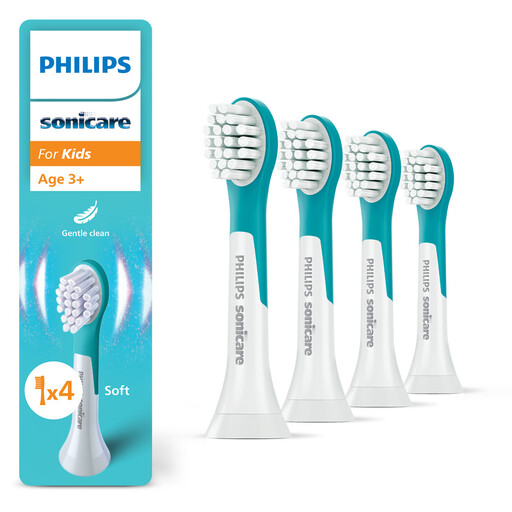
Why This Fits Their Persona: Specially developed for the needs of children aged 3 and up. The small brush head and soft bristles ensure a safe and comfortable clean for baby teeth.
It solves the problem of incorrect fit and hardness by offering a tailor-made solution for children. This prevents the use of unsuitable adult brush heads that can be too harsh.
The soft rubber backing on the head provides extra protection for teeth. The contoured bristle profile adapts to the shape of a child's teeth.
We have compiled a complete, up-to-date list of products that fully meet these strict selection criteria and relevant safety standards.
Dentists and manufacturers recommend changing your electric toothbrush head every three months. Regular replacement is important for two reasons: first, cleaning performance diminishes over time as the bristles lose their tension and wear down. Second, bacteria can accumulate. Many genuine brush heads feature indicator bristles that fade to signal when a change is due.
No. While many Oral-B brush heads are compatible with a wide range of handles, there are important exceptions. The Oral-B iO brush heads are exclusively for the iO series. Likewise, the brush heads for the Pulsonic sonic toothbrushes are not interchangeable with the oscillating-rotating models. Therefore, always check the compatibility list in the product description before purchasing.
A higher price does not necessarily correlate with better cleaning performance for every user. The price difference often reflects specialised technologies, such as unique bristle arrangements for interdental cleaning or polishing elements for whitening. The right choice isn't the most expensive one, but the replacement brush head best suited to your individual needs—like gum sensitivity or whitening goals. A standard brush head can deliver excellent results for many users.