
Lieferung heute & morgen

Qualitätsgarantie

Willkommens-Angebote freischalten: KOSTENLOSE Lieferung | Bis zu 80 % RABATT | Kostenlose 30-Tage-JoyPlus-Testphase
App herunterladen
Choosing an electric toothbrush for kids can be a challenge for parents. The market is filled with colourful designs, flashing lights, and promises of playful learning. However, not every model that looks appealing at first glance is a wise long-term investment in dental care for children. Many products rely on short-lived gimmicks rather than durable quality and child-friendly functionality.
This guide will help you distinguish marketing hype from genuine benefits and avoid the three most common purchasing pitfalls:
To make an informed decision, you should focus on objective, technical parameters that directly impact cleaning performance and safety.
A child's mouth is smaller and more sensitive than an adult's. Therefore, pay attention to two key characteristics:
Electric toothbrushes for children primarily use two technologies:
Both systems can achieve a thorough clean when used correctly. The choice often depends on personal preference and the child's sensitivity.
Modern toothbrushes offer useful tools to help children adopt a correct brushing routine:
Instead of making a one-size-fits-all recommendation, we have identified models tailored to the specific needs of different families.
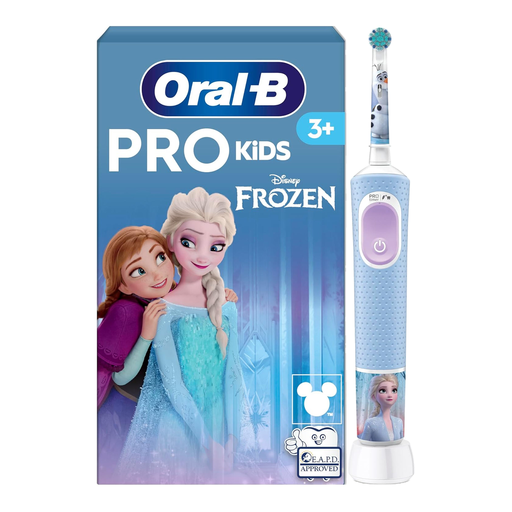
Why It's a Good Fit: This model is specifically designed for children aged 3 and up, combining a motivating design with the necessary technical fundamentals. The included stickers and compatibility with the Disney Magic Timer app help encourage kids to stick to the recommended brushing time.
The appealing design is paired with essential, child-friendly features like an extra-soft Sensitive+ mode and a small brush head. This avoids the design trap where function is secondary to appearance.
Two cleaning modes, including a special sensitive program; compatible with the motivating Oral-B app.
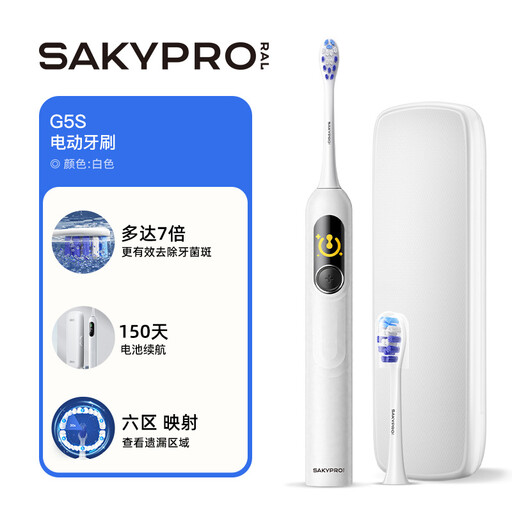
Why It's a Good Fit: This model is aimed at older children, teens, and adults who want to actively improve their brushing technique. The integrated display provides real-time feedback on which areas have been brushed, making an external app unnecessary. It can be used as a family sonic toothbrush.
The "smart" functionality is integrated directly into the device, offering real value through visual feedback. This bypasses the app trap, where unreliable or cumbersome software hinders usability.
Real-time brushing map on the LED display; according to the manufacturer, a very long battery life of up to 150 days; multiple cleaning modes.
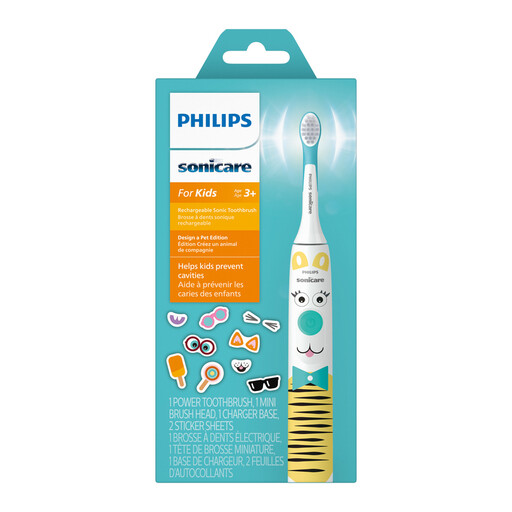
Why It's a Good Fit: For parents who trust an established brand and proven technology. The Sonicare sonic technology is known for its gentle yet thorough cleaning. This model focuses on essential features like the SmarTimer and KidPacer, which help children learn proper brushing technique.
This model forgoes complex, error-prone extra features and focuses on its core competency: effective cleaning. It avoids the trap of overloaded features whose everyday benefit is questionable.
Proven Sonicare sonic technology; KidPacer and SmarTimer to guide brushing; two intensity levels for customized adjustment.
We have compiled a complete, up-to-date list of products that fully meet these strict selection criteria and UK safety regulations.
Most manufacturers and dentists recommend switching to an electric toothbrush from the age of three. At this point, a child's motor skills are usually developed enough to handle the toothbrush themselves under adult supervision. It is important to choose a model that is explicitly designated as a toothbrush for kids aged 3 and up and has an appropriate sensitive mode.
Just like with manual toothbrushes, it is recommended to replace replacement heads for kids every three months. A change is also advisable if the bristles are visibly worn or frayed, as cleaning performance will otherwise diminish. Some brush heads feature indicator bristles that change colour over time to remind you when it's time for a replacement.
There is no one-size-fits-all answer, as both technologies can be effective. A sonic toothbrush for kids is often perceived as gentler and can also clean hard-to-reach areas through its fluid action. Oscillating-rotating brush heads are smaller and surround each tooth individually, which some children find easier to handle. The best choice depends on the child's individual anatomy and sensitivity. A model with a sensitive mode is a safe starting point in any case.