
Lieferung heute & morgen

Qualitätsgarantie

Willkommens-Angebote freischalten: KOSTENLOSE Lieferung | Bis zu 80 % RABATT | Kostenlose 30-Tage-JoyPlus-Testphase
App herunterladen
Choosing a new electric toothbrush can quickly become overwhelming given the sheer number of models and marketing promises. Many devices advertise features that offer little practical value but significantly drive up the price. As your Joybuy Product Recommendation Officer, I'm here to help you distinguish essential features from non-essential ones and make an informed decision.
In this guide, we'll focus on the common pitfalls of buying a toothbrush and the key technical parameters that truly matter.
Before diving into the details, it's helpful to know the most common marketing traps that often lead to a poor purchase.
To make the right choice, you should focus on three core aspects that directly impact daily use and cleaning performance.
The fundamental difference in an electric toothbrush lies in the movement of its brush head.
There is no universally "better" technology. The choice depends on personal preference and gum sensitivity.
A rechargeable toothbrush is standard, but the differences are significant. Pay attention to two factors:
Instead of complex apps, focus on features that are proven to improve daily oral hygiene:
Here are some models tailored to specific user needs that avoid the pitfalls mentioned.
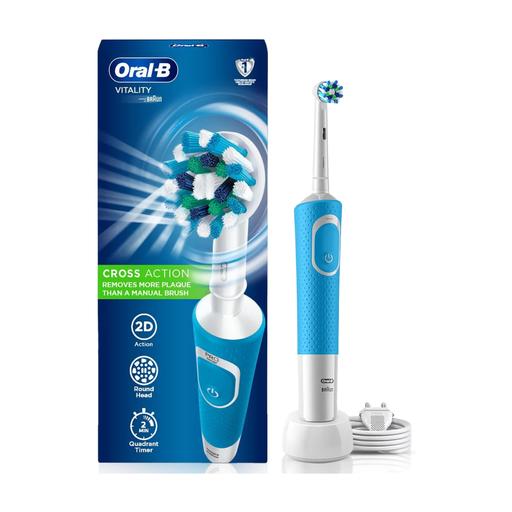
Why it's a good fit: Ideal for anyone switching from a manual toothbrush. It focuses on the core function—a thorough clean—without the distraction of unnecessary extras.
This model deliberately omits complex "smart" features, instead offering proven cleaning performance at a fair price.
The 2D cleaning technology (oscillating-rotating) effectively removes plaque. The built-in timer ensures you brush for the recommended amount of time.
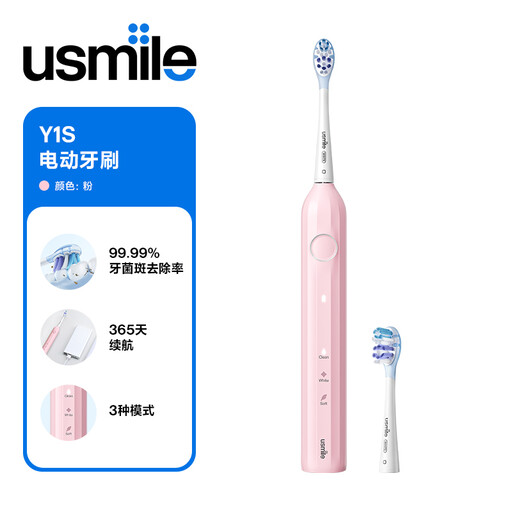
Why it's a good fit: Perfect for people who are often on the go or appreciate a tidy bathroom without a constant charger. The extremely long battery life is the key factor here.
This model debunks the misleading battery claims trap by offering an exceptionally long battery life of up to 6 months, which is achievable in practice.
A single charge lasts for up to 6 months. Includes a practical travel case and charges via USB.
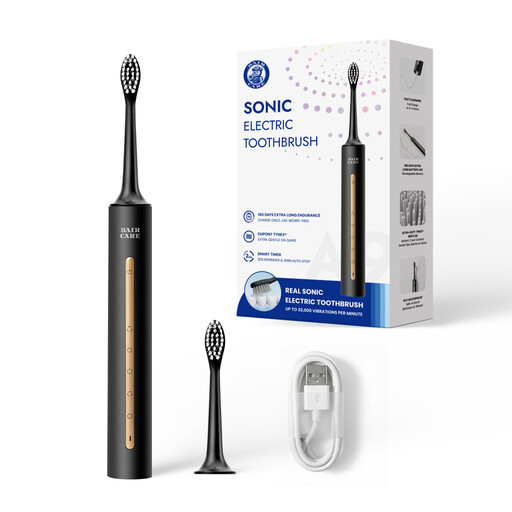
Why it's a good fit: For users who want to customise their oral care routine, whether for sensitive gums, whitening, or an intensive clean.
Instead of unused app features, this model offers a high degree of customisation with 15 different brushing combinations selectable directly on the device.
5 cleaning modes and 3 intensity levels allow for precise, personalised cleaning. The battery life of up to 180 days is also a compelling feature.
We have compiled a comprehensive, up-to-date list of products that meet these strict selection criteria.
1. How often should you replace the brush head on an electric toothbrush? The general recommendation is to replace the brush head every three months. Many brush heads feature indicator bristles that fade in colour to signal the optimal time for a change. Regular replacement is crucial for maintaining consistent cleaning performance and hygiene.
2. Is a sonic or an oscillating toothbrush better for sensitive gums? Both technologies can be suitable for sensitive gums. Sonic toothbrushes are often perceived as gentler because part of the cleaning is done by fluid dynamics rather than direct bristle contact. However, many oscillating models, like those from Oral-B, offer special sensitive modes and a visual pressure sensor that are also very effective at protecting against excessive pressure. Ultimately, the choice is a matter of personal preference.
3. Can I combine an electric toothbrush with a water flosser? Yes, and this combination is highly recommended. An electric toothbrush cleans the surfaces of your teeth, while a water flosser specialises in removing food particles and plaque from between teeth and along the gumline. Together, they form a comprehensive system for daily oral hygiene.