
Lieferung heute & morgen

Qualitätsgarantie

Willkommens-Angebote freischalten: KOSTENLOSE Lieferung | Bis zu 80 % RABATT | Kostenlose 30-Tage-JoyPlus-Testphase
App herunterladen
Replacement heads for electric toothbrushes need to meet two key requirements: they must fit the handle and suit your personal cleaning needs. Even so, buying replacements often leads to unnecessary costs. Packaging can look very similar, model names are not always easy to understand, and some brush heads only fit a particular system family.
Three purchasing mistakes are particularly common:
Before buying replacement heads for electric toothbrushes, you should identify the exact series of your toothbrush handle. Different brands use different attachment systems and drives:
The model number on the handle or original packaging is more reliable than the external shape. Before placing your order, you should also check whether a 4-pack, 6-pack or 8-pack actually contains the desired number of individual brush heads.
Bristle firmness affects how brushing feels and the mechanical pressure placed on the gumline. People with sensitive teeth or delicate gums may wish to consider sensitive replacement heads with soft or particularly fine bristles. Applying only light pressure remains essential: even soft bristles can feel uncomfortable if pressed too firmly.
Round brush heads surround individual teeth and make systematic cleaning easier. Other shapes may cover larger areas. CrossAction replacement heads, for example, feature angled bristles set at an angle of 16 degrees. According to the product description, this design is intended to clean along the gumline and between the teeth.
The Philips Sonicare HX6052/10 Sensitive Standard features 0.1-millimetre micro-bristles and a diamond-shaped bristle pattern. Details like these can help you choose the right product, but they do not replace personalised advice from your dental practice.
Many manufacturers recommend replacing the brush head after approximately three months. Replacing it sooner is advisable if the bristles become frayed, bent or the brush head is damaged. On models with indicator bristles, fading colour can provide additional guidance.
The unit price is not the only factor when calculating your actual annual costs. Example:
After each use, rinse the brush head with water and leave it to dry upright. Brush heads are personal hygiene products and should not be shared. Loose replacement heads should be kept out of the reach of young children, as small parts may be swallowed.
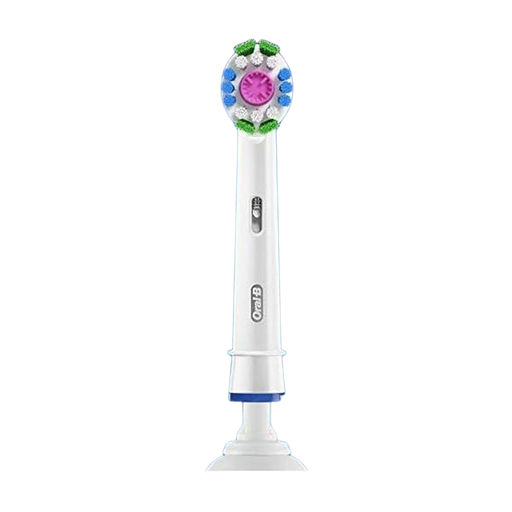
Why this product suits this profile: The 5-pack is suitable for users with compatible Oral-B handles who want to stock up for several replacements and are interested in removing surface stains.
The product information explicitly states compatibility with Oral-B models other than Pulsonic and iO. This helps avoid the common mistake of confusing them with iO replacement heads.
Polishing cup, CleanMaximiser indicator bristles and five brush heads per pack.
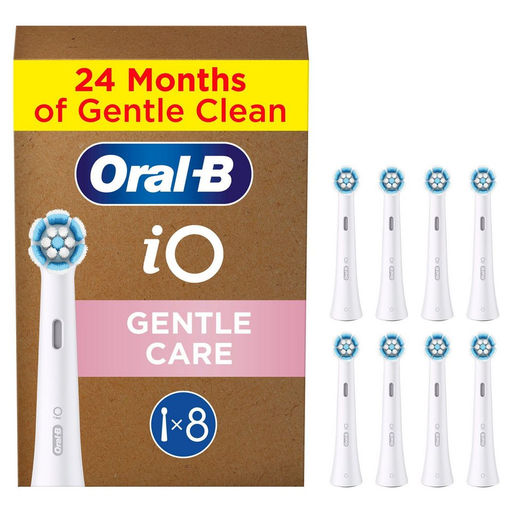
Why this product suits this profile: This model is designed for iO users who prefer soft bristles, a padded outer ring and a larger supply for regular replacements.
The product description states that these heads are exclusively for use with Oral-B iO handles. This prevents you from ordering them for classic Pro or Smart handles.
Up to 4,000 soft bristles, a padded outer ring and colour-change indicator for replacement.
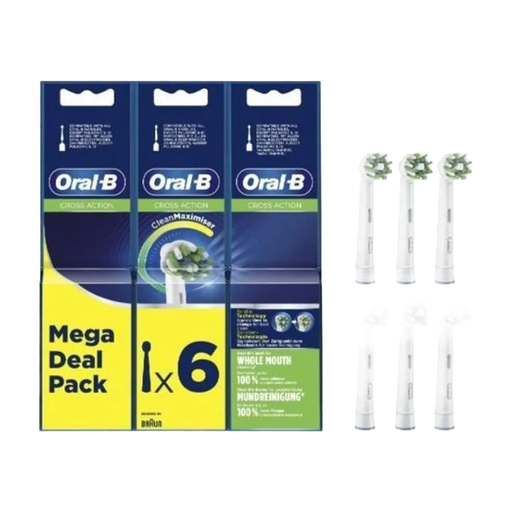
Why this product suits this profile: The 6-pack is suitable for adults with a compatible Oral-B handle who prefer angled bristles for cleaning hard-to-reach areas.
The compatible series and the exclusion of iO and Pulsonic are clearly stated. This helps you choose based on the handle rather than the brush-head shape.
16-degree angled CrossAction bristles, six heads per pack and indicator bristles.
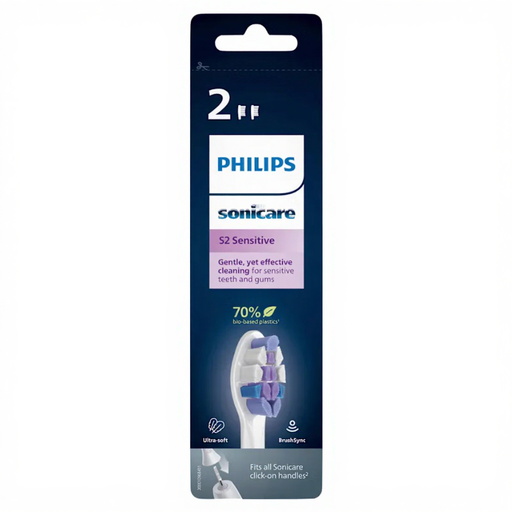
Why this product suits this profile: The soft micro-bristles are designed for gentle use. The 2-pack is ideal if you want to test whether the bristle feel suits your brushing routine before buying more.
The HX6052/10 model number makes it easier to identify the correct product. However, buyers should still check that their Sonicare handle supports the specified attachment.
0.1-millimetre micro-bristles, Sensitive design and two brush heads per pack.
We have put together a complete, regularly updated list of products that fully meet these strict selection criteria and the safety requirements applicable in the EU.
3D White replacement heads typically feature a polishing cup. According to the manufacturer’s product information, it is intended for surface stains. This should not be confused with medical tooth whitening. Staining caused by coffee, tea or tobacco can vary in severity.
If you use targeted tooth-whitening products such as whitening strips, follow the safety instructions on the packaging. According to the manufacturer’s information, the PERLWEISS product mentioned is not recommended for people with sensitive teeth, gum problems, during pregnancy or if they have crowns, fillings or veneers. If you experience discomfort or persistent gum bleeding, stop using the product and seek dental advice.
As a general guideline, many products recommend replacing the head every three months. Earlier replacement is advisable if the bristles are heavily worn, discoloured or damaged. A colour-change indicator can help you judge when to replace the head, but it does not replace a visual inspection.
No. According to the product information, classic Oral-B replacement heads such as CrossAction or 3D White are suitable for many Oral-B handles, but not for Pulsonic or iO. For an iO handle, you must choose iO-compatible replacement heads.
Compatibility depends on the specific handle. When buying Philips Sonicare replacement heads, compare the brush-head model number with the product description and the instructions for your device. If you experience pain or persistent irritation, it is advisable to consult a dentist.