
Lieferung heute & morgen

Qualitätsgarantie

Willkommens-Angebote freischalten: KOSTENLOSE Lieferung | Bis zu 80 % RABATT | Kostenlose 30-Tage-JoyPlus-Testphase
App herunterladen
An electric water sprayer can handle very different tasks, depending on its design: from washing cars and watering the garden to providing portable outdoor water fun. However, products with similar descriptions are often listed together, even though their pressure, water supply, battery capacity and safety features can vary considerably.
The figure in bar indicates pressure; it does not automatically reflect the actual cleaning performance. Water flow in litres per hour or minute, the nozzle and the distance from the surface are also important. A stationary pressure washer rated at 180 bar is not comparable with a compact electric water pistol or a 21-volt cordless pressure sprayer.
An overly concentrated water jet may also be unsuitable for delicate paintwork, plants or toys. An adjustable nozzle makes it easier to adapt the spray.
Runtime figures for cordless pressure washers often refer to specific operating conditions. Continuous use, high pressure, cold temperatures and an older battery can all affect actual operating time. Check whether a charger is included, how the battery is charged and whether a spare battery is available.
For an automatic water pistol, tank capacity, charging time and the number of shots are also important. A high stated range alone says little about how easy the product is to handle or how heavy it is.
Depending on the model, a portable pressure washer may require a bucket, a water connection or a suction attachment. Check whether the hose, filter, charger, foam attachment and suitable nozzles are included. With a foam sprayer, it is also important to know whether the cleaning product needs to be diluted and whether the nozzle should be cleaned after use.
For washing cars and cleaning patios, fences or driveways, the combination of pressure and water flow is crucial. A device rated at 2200 W, 180 bar and 480 l/h is designed for larger outdoor areas, but requires a power supply and a suitable water source.
Cordless models generally operate at considerably lower power ratings, but offer greater freedom of movement. A model rated at 250 W, 21 V, 50 bar and 4 l/min may be suitable for mobile cleaning tasks or watering the garden. Always consider these figures in relation to the intended use.
Look for:
For a cordless device, battery voltage, charging method, charging time and spare-parts availability are important points of comparison. A USB-C port can be convenient for an electric water pistol, while a cordless pressure washer for car cleaning will often use its own dedicated charger.
One-button operation, continuous spraying without having to keep pressing the button and an easily accessible safety lock can reduce strain during longer applications. The weight should also be appropriate for the intended use.
Water pistols for teenagers and adults are not automatically suitable for children. Follow the age limit specified by the manufacturer and never direct water jets at the face, eyes, animals or sensitive electronic devices. Toys should only be used with the liquids they are designed for – usually clean water.
For electric cleaning equipment, checking the information about CE marking, instructions for use, power supply and intended use is an important part of the buying process. Batteries and chargers must not come into contact with water. After use, empty the tank and hoses, and clean the nozzles and filters.
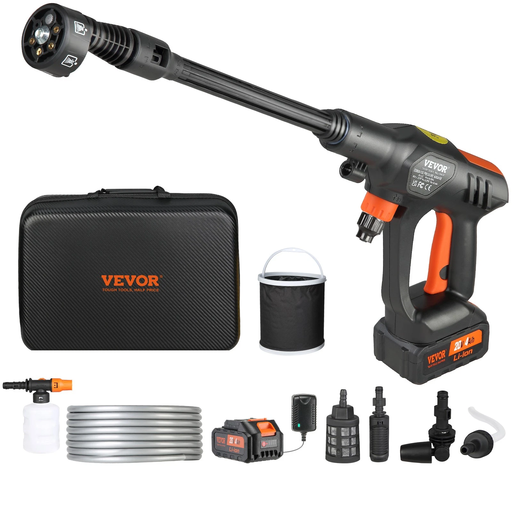
Why this product suits this profile: This cordless model is intended for users looking for a portable device for smaller cleaning and watering tasks. It is rated at 250 W, 21 V, 50 bar and 4 l/min.
The technical specifications make it clear that this is a portable device rather than a mains-powered surface cleaner. This helps set realistic expectations about cleaning pressure.
Cordless operation, automatic spraying at the touch of a button, plus extension wands and several attachments according to the product description.
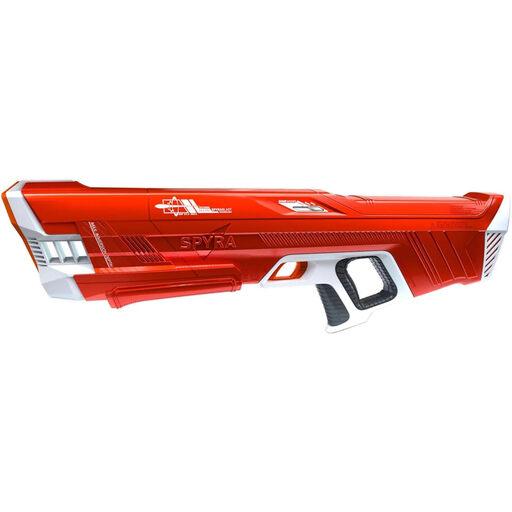
Why this product suits this profile: According to the product information, this electric water pistol is aimed at teenagers aged 14 and over and adults. It features three play modes, LED indicators and automatic filling.
The age limit, battery type, tank indicator and charging status are all clearly stated in the product description. This makes it easier to assess the target audience and ease of use before buying.
USB-C charging port, LED status indicator and a stated range of up to 15 metres.
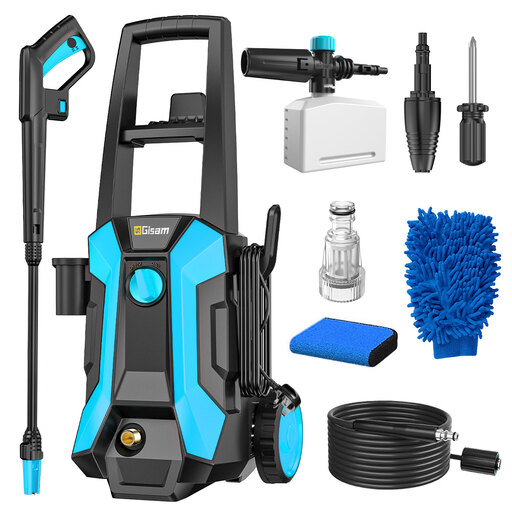
Why this product suits this profile: For car and garden owners who regularly want to clean larger areas such as patios, fences, driveways or vehicles, this mains-powered device provides clearly stated performance specifications.
An 8-metre high-pressure hose, hose reel, separate foam and rotating nozzles are all specified. This reduces reliance on accessories purchased separately.
2200 W motor, 180 bar, 480 l/h and accessories for car washing and outdoor surfaces.
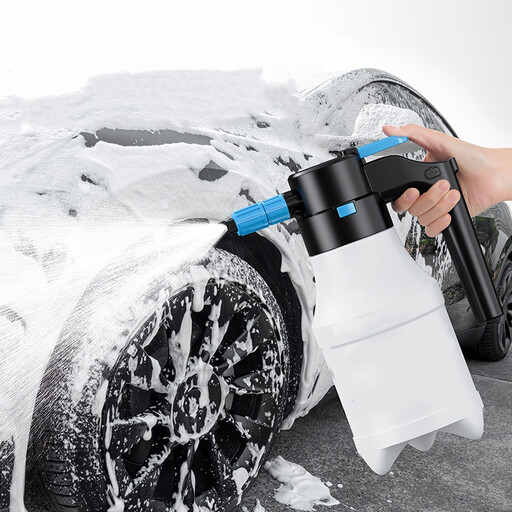
Why this product suits this profile: According to the description, the 1.5-litre cordless pressure sprayer is suitable for washing cars, household tasks, watering the garden and applying foam or cleaning solutions.
The tank capacity, brass nozzle, USB charging and safety lock are all clearly specified. The instructions for cleaning the nozzle, filter and suction tube help prevent typical blockages.
Adjustable spray jet, one-button operation and compatibility with water, foam and suitable cleaning solutions.
Running costs mainly depend on electricity consumption, battery charging, water usage and cleaning products. A high-powered mains-operated device may use more electricity than a cordless pressure sprayer. However, it does not need to be recharged during use. For a rough estimate, multiply the motor power by the actual operating time.
After every use, we recommend that you:
This depends on the model. Devices with self-priming use a suction hose placed in a bucket or water container. The hose should lie straight, the filter should be clean and the connection should be securely locked in place. If there is air in the system, you may need to run the sprayer for a few seconds until it draws in water.
There is no universal answer. Battery capacity, pressure setting, spraying time, temperature and battery age all make a difference. When choosing a product, specific information about charging time, operating time and spare batteries is more useful than general marketing claims.
Yes, provided the device is designed for this purpose and has a suitable nozzle or foam attachment. Start at a sufficient distance and with a lower intensity. Only use suitable cleaning products and avoid directing the jet at seals, plug connections and damaged areas of paintwork.