
Lieferung heute & morgen

Qualitätsgarantie

Willkommens-Angebote freischalten: KOSTENLOSE Lieferung | Bis zu 80 % RABATT | Kostenlose 30-Tage-JoyPlus-Testphase
App herunterladen
Electrical kitchen appliances can make everyday cooking, baking and steaming easier. At the same time, models vary considerably in terms of power, capacity, cleaning and space requirements. A multifunctional appliance is not automatically the right choice for your household. What matters is whether its design and features suit the way you actually cook.
Terms such as multifunction cooker, electric hot pot or 4-in-1 cooker sound versatile. In practice, you should consider which functions you really need. A small household may not need a 6-litre pot, while a family with several members can benefit from a larger container.
It is also important to check whether the temperature can be adjusted. Two power settings are enough for pasta, soups or simple one-pot meals. For slow braising, gentle warming and different cooking methods, infinitely variable control gives you greater flexibility.
The stated capacity usually refers to the total volume. However, when cooking, you need to leave room for liquid, steam and food that rises. An electric hot pot with a capacity of 5 or 6 litres should therefore not be filled right to the brim.
For one person or a couple, 1.6 to 2.6 litres is often sufficient. Families and house shares may find 4 to 6 litres more practical. An oversized container takes up more worktop space and can use unnecessarily high amounts of energy and time when preparing small portions.
A non-stick coating can make it easier to remove food residue, but it does not replace proper care. Metal utensils, abrasive cleaners and hard sponges can damage the surface. With electrical appliances, the housing containing the heating element, plug or connection must also never be immersed in water.
Before buying, it is worth checking for:
The wattage indicates electrical power consumption, not necessarily cooking speed. A portable electric cooker rated at 600 watts is suitable for small portions, while a 1,500-watt appliance can heat larger quantities more quickly. The actual time required also depends on the amount of food, the lid and the starting temperature.
For a multifunction cooker, the following specifications are particularly relevant:
With an induction hob, the cookware must be magnetic. Aluminium or ceramic pots without a magnetic base will not work properly on it. A power rating of 2,000 watts and several power settings can be useful for different cooking situations, provided your electrical installation is suitable.
Measure the available worktop space and storage area before buying. An appliance with a glass lid needs additional clearance above it when opened. For a built-in oven, you must also check the niche dimensions, ventilation and correct electrical connection.
A freestanding cooker is more flexible to position, but it still requires sufficient clearance from walls and flammable materials. With high-powered appliances, the instruction manual should clarify whether a standard household connection is sufficient or whether a professional connection is required.
Useful safety features include overheating protection, dry-boil protection, automatic switch-off, a child lock and heat-resistant handles. They reduce certain risks but do not replace supervision while the appliance is in use.
With steamers and slow cookers, the steam outlet must remain clear. When opening the lid, steam should be directed away from your face and hands. Non-stick cooking pots should be used with wooden, plastic or silicone utensils. Damaged coatings or cables are a reason to stop using the appliance.

Why this product suits the profile: This 1.6-litre cooker is designed for individual portions, students, office meals and small flats. Its 600-watt power rating keeps the design compact and easy to store.
The manageable capacity prevents an oversized appliance from taking up unnecessary worktop space. Dry-boil protection and automatic switch-off are listed as safety features.
1.6 litres, 600 watts, a non-stick interior and functions for cooking, braising and hot pot dishes.
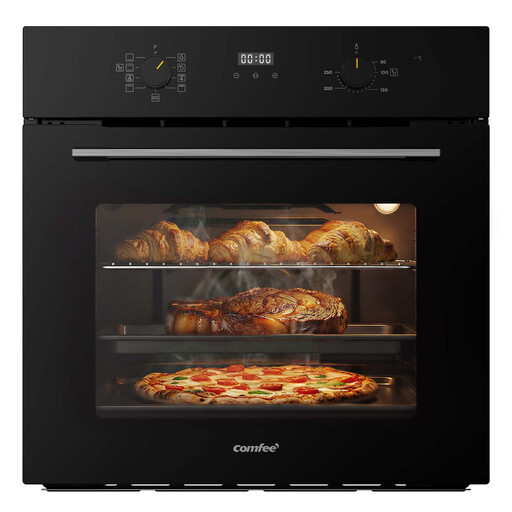
Why this product suits the profile: This built-in oven is aimed at households that regularly bake, grill or want to use several shelves at once. It features 10 functions, a 70-litre capacity, an LED timer and AquaClean steam cleaning.
The functions and capacity are clearly specified. Before buying, you should still check the niche dimensions, ventilation and electrical connection.
70 litres, fan-assisted cooking, grill and pizza functions, an LED timer, ECO mode and energy efficiency class A according to the product specifications.
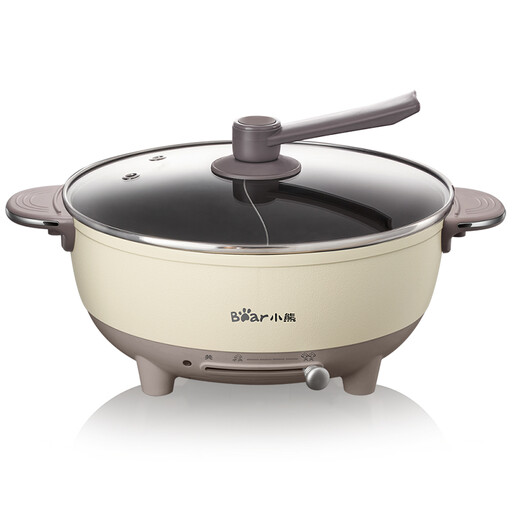
Why this product suits the profile: This 6-litre pot is suitable for family meals and sharing food together. Its divided interior allows you to enjoy two flavours at the same time.
The infinitely variable setting from 0 to 210 °C is more specific than simply listing a function. Dry-boil protection, a detachable cable and removable components make everyday use easier.
6 litres, 1,500 watts, 4-in-1 use, a divided cooking area and a glass lid with handle.
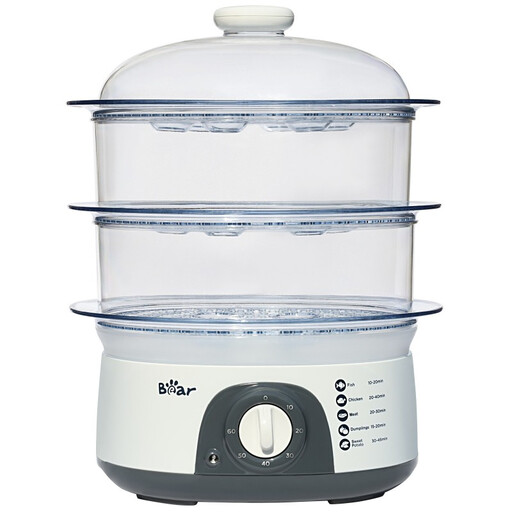
Why this product suits the profile: Three stackable tiers and a 10-litre capacity allow you to steam different ingredients at the same time. It is well suited to families, meal prep and households that prefer gentle steam cooking.
The stackable design makes use of vertical space rather than requiring an especially large footprint. A timer, removable parts and a drip tray are listed as specific features.
10 litres, three tiers, a 60-minute timer and removable components for cleaning.
We have put together a complete, regularly updated list of products that fully meet these strict selection criteria and the safety regulations applicable in the EU.
For one person or a couple, compact models with a capacity of 1.6 to 2.6 litres are a sensible choice. A portable electric cooker or small slow cooker can prepare pasta, soups, rice and simple one-pot meals. Before buying, check the required worktop space, cable length and cleaning effort.
The wattage indicates the maximum power consumption. Running costs also depend on the operating time, temperature, amount of food and frequency of use. An appliance with a lower power rating is not automatically cheaper if it takes considerably longer to heat up or cook. For ovens, the energy efficiency class and consumption per operating mode can help when comparing models.
There is no general fixed lifespan. It depends on how the appliance is used and maintained, as well as its coating, cable and heating element. Regular descaling, suitable utensils, unobstructed ventilation openings and cleaning in accordance with the manufacturer’s instructions can help maintain reliable everyday performance. If you notice damaged cables, an unusual smell or smoke, disconnect the appliance from the mains and stop using it.