
Lieferung heute & morgen

Qualitätsgarantie

Willkommens-Angebote freischalten: KOSTENLOSE Lieferung | Bis zu 80 % RABATT | Kostenlose 30-Tage-JoyPlus-Testphase
App herunterladen
An electric fan heater can warm rooms temporarily, provide extra heat at your workstation or serve as a portable supplementary heater on cold days. The choice ranges from compact ceramic fan heaters to electric oil-filled radiators that take longer to heat up. However, differences in power, thermostat control, noise levels and safety features have a direct impact on everyday usability.
Many disappointing purchases are not caused by insufficient wattage, but by unsuitable features or exaggerated marketing claims. Before buying, you should therefore be clear about the room size, where the heater will be used and how long you want it to run.
An 2000 W fan heater can theoretically provide a great deal of heat. However, that does not automatically mean that every room will become pleasantly warm quickly or stay warm for long. Insulation, ceiling height, outdoor temperature and heat loss also play a role. For a well-insulated room used occasionally, a portable electric heater may be sufficient. In a poorly insulated cellar, on the other hand, electricity consumption can quickly rise without the desired temperature remaining stable.
Electric direct heaters fundamentally convert electricity into heat. The cost mainly depends on the power rating and running time. A device rated at 2000 W uses approximately 2 kWh per hour when operating at full power. Assuming an electricity price of 0.35 euros per kWh, that would be around 0.70 euros per hour of operation.
An eco mode or a fan heater with thermostat can reduce running time once the target temperature has been reached. However, it does not make the heat conversion itself free. Claims about percentage savings should therefore always be considered in the context of the operating mode, room and comparison product.
Overheat protection and tip-over protection are important features. They still do not make it safe to leave a heater unattended for long periods. A heater should be placed on a stable, level, heat-resistant surface. Textiles, curtains, paper and furniture should be kept at least one metre away from the device. The casing and air outlet can become hot during operation.
Wattage is a useful initial comparison point. Devices rated at 750 W, 1500 W, 1800 W and 2000 W offer different power levels. Multiple settings are practical because the highest setting is not always needed. The room size stated by the manufacturer is only a guide and usually refers to specific insulation and usage conditions.
A small portable fan heater is suitable for short bursts of warmth at your desk. For a living room measuring 15 to 25 m², a more powerful model with a thermostat and oscillation may be a sensible choice. An electric oil-filled radiator does not distribute heat through an airflow, but it responds more slowly and continues to give off heat after being switched off.
A ceramic fan heater with a PTC heating element warms the outgoing air quickly. Oscillation can distribute the airflow across a wider angle. For bedrooms and home offices, a quiet fan heater with a stated decibel rating is more useful than a blanket description such as ‘whisper-quiet’. Actual perceived noise also depends on the fan setting, distance and room acoustics.
A thermostat adjusts the heating power according to the measured room temperature. A fan heater with timer can limit operating time, while a fan heater with remote control makes it easier to operate the device from the sofa or desk. You should also look for clear displays, easy-to-understand instructions and automatic shut-off in the event of tipping over or overheating.
For bathrooms, only devices that the manufacturer expressly states are suitable for this environment and that have appropriate protection against moisture should be considered. Even where an IP rating is specified, you must follow the stated distances from water sources and the instructions in the manual.
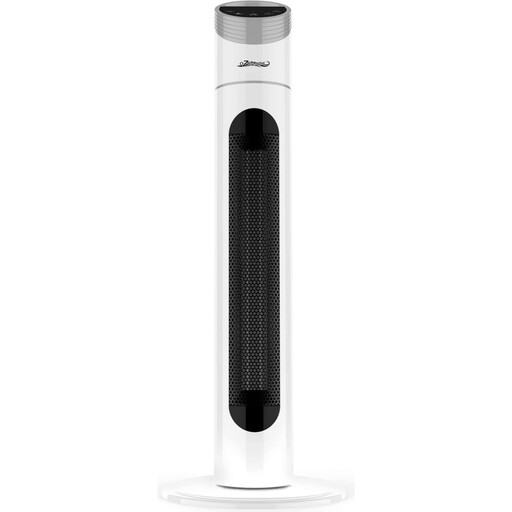
Why this product suits this profile: This compact PTC fan heater offers two heat settings, 120° oscillation and a portable design for occasional use in the living room or home office.
The stated 2000 W rating and two power settings make energy requirements easier to understand than a simple marketing claim about fast heating.
PTC ceramic heating, 120° oscillation, tip-over protection and overheat protection.

Why this product suits this profile: This model combines 2000 W, a 5–35 °C thermostat range, 70° oscillation, remote control and a timer for regular use in medium-sized rooms.
The specific noise range of 25–42 dB and adjustable temperature control are verifiable details for quiet, controlled operation.
PTC heating element, eight-fold protection according to the product description, child lock and automatic shut-off functions.
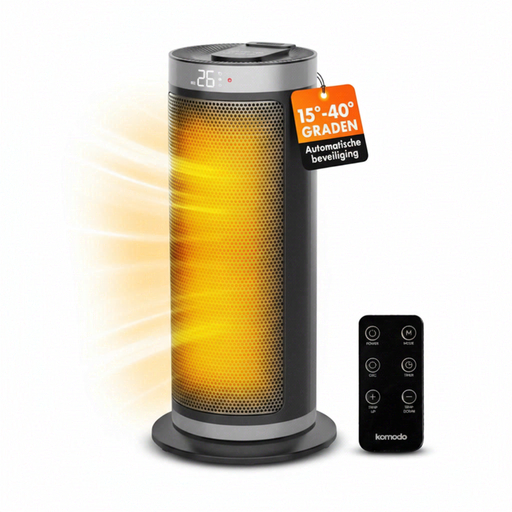
Why this product suits this profile: Three power settings from 750 to 2000 W, a thermostat, eco mode, remote control and 90° oscillation appeal to users who frequently move between rooms.
The power level can be adjusted to suit your needs. However, the stated IP66 rating should only be relied on in accordance with the manual and with sufficient distance from water.
750/1500/2000 W, 15–40 °C thermostat range, LED display and automatic shut-off.
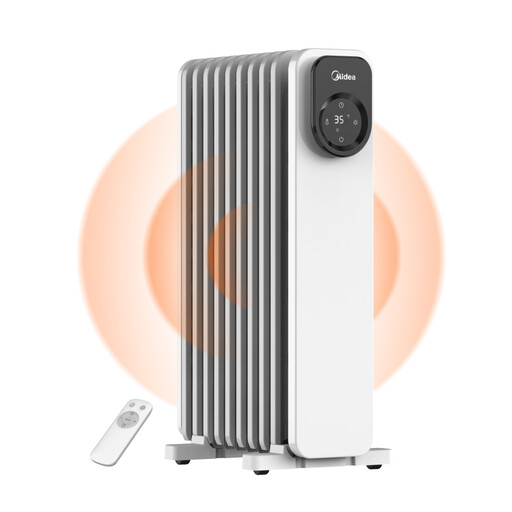
Why this product suits this profile: This 2000 W oil-filled radiator operates without fan-driven airflow and is suitable for living rooms, bedrooms or studies when supplementary or occasional heating is required.
Its design avoids creating the expectation of instant airflow: the radiator heats up more slowly and continues to give off warmth after being switched off.
Nine fins, four operating modes, thermostat, remote control, plus tip-over and overheat protection according to the product details.
We have compiled a complete, regularly updated list of products that fully meet these strict selection criteria and the safety regulations applicable in the EU.
Before using the appliance, check the manufacturer’s details and the rating plate for voltage and frequency. Mains connections commonly used in Germany generally correspond to 220–240 V at 50 Hz. The device should be connected directly to a suitable socket. Extension leads and multi-socket adapters can heat up under a high continuous load and should only be used if they are expressly rated for the appliance’s power requirements.
In addition:
A device rated at 2000 W uses approximately 2 kWh per hour at full power. A 1500 W model uses around 1.5 kWh per hour. A thermostat, lower power settings and limited use of the timer can reduce actual running time. The precise cost depends on your electricity tariff.
Leaving a heater running unattended overnight is generally not recommended. A timer and overheat protection improve control during operation, but they do not replace safe positioning or following the operating instructions. For a bedroom, choose a quiet fan heater with a clearly adjustable temperature and a run time that can be limited.
Its service life depends on operating time, exposure to dust, storage conditions and the quality of its electrical components. Regularly removing dust from the air vents, transporting the heater carefully and avoiding continuous operation at maximum power can reduce the strain on the device. If there is visible damage, stop using the heater.