
Lieferung heute & morgen

Qualitätsgarantie

Willkommens-Angebote freischalten: KOSTENLOSE Lieferung | Bis zu 80 % RABATT | Kostenlose 30-Tage-JoyPlus-Testphase
App herunterladen
An electric heater can be a practical addition to your living room, bedroom, home office or bathroom. In most cases, it can be used without modifying your heating system and is available in many designs: as a fan heater, convector heater, oil-filled radiator, ceramic fan heater or a targeted heat source such as a heated cushion or electric heated blanket.
However, your choice should not be based solely on wattage or advertising claims. Room size, duration of use, ease of operation and safety features are all crucial factors.
A power rating of 2,000 watts initially means electricity consumption of 2 kWh per hour of operation at full power. The actual cost depends on your electricity tariff and how long the heater runs. For example:
An ECO mode or thermostat can reduce the operating time and power output. However, an energy-efficient heater does not automatically produce more heat from the same amount of electricity. Electric direct heaters essentially convert electricity into heat almost completely; savings mainly come from targeted use, choosing the right size for the room and automatic control.
A fan heater distributes warm air quickly, but its fan can create noticeable operating noise. A convector heater works without a fan and is therefore usually quieter, but it needs time to warm the air in the room. An oil-filled radiator releases heat more slowly, but stores it in the heating medium and may remain warm for a while after being switched off.
So look for specific details such as noise level in dB, heat settings and control type. If this information is missing, it is difficult to assess the level of comfort.
An electric heater should be placed on a stable, level and dry surface. It must not be covered or operated directly next to curtains, furniture or other flammable materials. Depending on the design, useful features include:
Bathrooms require particular care: only devices that the manufacturer has expressly approved for damp rooms and equipped with the appropriate protection should be considered. A general description such as “bathroom heater” does not replace checking the IP rating and instructions for use.
The appropriate power rating depends on insulation, ceiling height, outdoor temperature and the temperature you want to achieve. Manufacturers’ recommended room-area figures are therefore only a guide. A 1,500-watt ceramic fan heater may be suitable for a small personal area, while a 2,000-watt convector may be intended for larger, well-insulated rooms.
For short periods of warmth at your desk, a portable heater on a low setting is often more suitable than a large appliance running continuously. For several hours in the living room, an electric radiator or convector heater may be more comfortable.
A heater with a thermostat adjusts its heating output according to the set target temperature. This is more convenient than a device that simply runs continuously at one fixed setting. A timer limits the operating time, for example when falling asleep or pre-heating a room.
A heater with remote control makes it easier to operate the appliance from the sofa or bed. Also check whether the remote control operates all functions or only allows you to switch the device on and off.
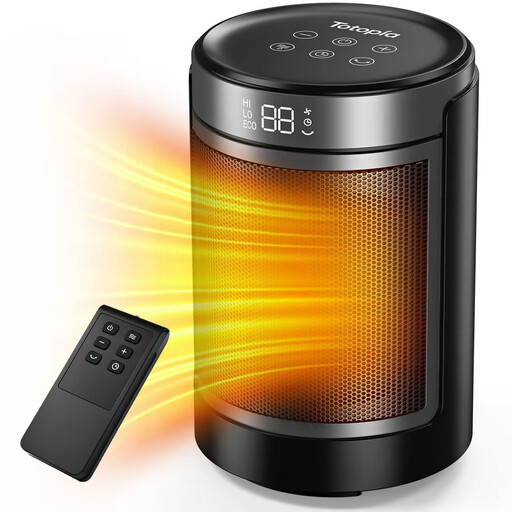
Why this product suits this profile: A compact appliance for bedrooms, studies or a limited living area, with four operating modes and a remote control.
The four modes include fan, 750 watts, 1,500 watts and ECO. This allows the output to be adjusted to suit your needs instead of always using the highest setting.
PTC ceramic heating element, 1–12-hour timer, LED display, remote control, plus overheating and tip-over protection.
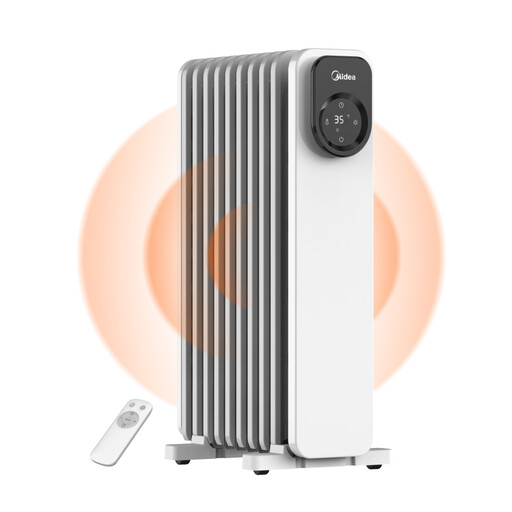
Why this product suits this profile: Suitable for users who prefer a portable heat source with several settings and quiet operation without a fan.
The product details specify 2,000 watts, four modes, thermostat control and suitability for well-insulated rooms or occasional use. These specifications should match your own room size.
Nine fins, remote control, LED touchscreen, plus overheating and tip-over protection. The appliance is intended for indoor use.
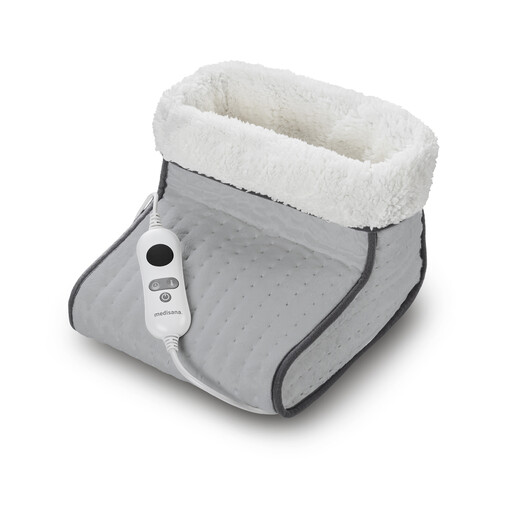
Why this product suits this profile: This electric foot warmer directs heat towards your feet, making it suitable for the office, home office or sofa without heating the entire room.
At 100 watts, its power consumption is significantly lower than that of a room heater. The 1 to 6-hour timer automatically limits usage time.
Six temperature settings, interior suitable for shoe sizes up to 46, removable fleece washable at 30 °C, plus overheating protection.
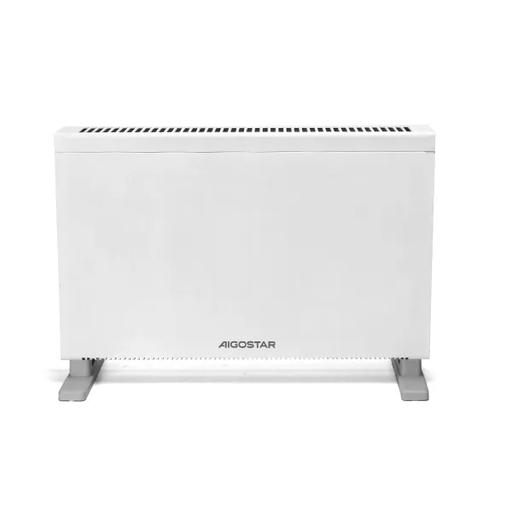
Why this product suits this profile: An option for living spaces of approximately 20 to 25 m² according to the product information, provided the insulation and ceiling height are comparable.
The power can be used at two levels; there is also a thermostat, ECO mode and a switch-off timer of up to 24 hours.
We have put together a complete, regularly updated list of products that fully meet these strict selection criteria and the safety regulations applicable in the EU.
Consumption depends on the rated power and the actual operating time. A 2,000-watt appliance uses 2 kWh after one hour of operation at full power. A thermostat can shorten the heating phases, but it does not replace choosing the right size or setting a sensible room temperature.
For short periods of warmth, a quiet convector or a ceramic fan heater with a timer may be suitable. If you want to heat without fan noise, you could consider an oil-filled radiator. Tip-over protection, overheating protection and automatic switch-off are important features. The appliance should not be operated unattended or while sleeping if the instructions for use advise against it.
Service life depends on the design, duration of use, exposure to dust, storage and maintenance. Fan heaters should be regularly cleared of dust around the air inlets. Heated cushions and electric blankets must not be folded or used if their heating wires are damaged. The manufacturer’s specifications, warranty terms and safe operating condition are decisive.