
Lieferung heute & morgen

Qualitätsgarantie

Willkommens-Angebote freischalten: KOSTENLOSE Lieferung | Bis zu 80 % RABATT | Kostenlose 30-Tage-JoyPlus-Testphase
App herunterladen
Electric heaters offer a flexible way to warm specific rooms or parts of your body. Whether you need an electric heater for the office, a fan heater for the bedroom, an electric heated blanket for the sofa or a heated car seat: wattage is not the only factor that matters. The design, safety features, controls and intended use all determine whether a heater is genuinely suitable for everyday use.
A 2,000-watt heater can warm a room quickly, but at full power it also uses 2 kilowatt-hours per hour of operation. You can estimate the cost as follows:
Power in kW × operating time in hours × electricity price per kWh = energy cost
An energy-efficient fan heater does not automatically reduce consumption simply because it carries a particular marketing label. A thermostat, Eco mode and a suitable heat setting can help limit running time or power output. However, the amount of heat the room needs remains an important factor.
Noise levels matter in bedrooms and home offices. A fan heater uses both a fan and a heating element, so a specific figure in dB is more informative than general descriptions such as “whisper quiet”. According to its product description, the OmniHeat 1800W Ceramic Space Heater produces around 38 to 50 dB, depending on the setting.
A convector heater or oil-filled radiator works without a constant airflow and may therefore feel quieter. However, heat is generally distributed around the room more slowly.
Tip-over protection and overheat protection are useful, but they do not replace safe positioning. A heater must not be covered and should be kept away from curtains, furniture, paper and textiles. High-powered appliances should be connected to a suitable socket. An extension lead is only acceptable if it is rated for the required power.
Electric heated blankets, foot warmers and heated car seats require additional care: do not use them folded, do not place them on damp surfaces and disconnect them from the mains after use.
A rating such as 1,500 or 2,000 watts describes the maximum electrical power consumption; it does not automatically indicate the suitable room size. Insulation, ceiling height, window area and the desired temperature all affect the requirements. A compact ceramic fan heater may be sufficient for a small workspace. For a larger room, wider heat distribution through oscillation or convection is more practical.
Look for several heat settings. A heater with both a low and a high setting is easier to adapt to your actual needs than a model that operates only at full power.
A thermostat switches the heater on and off according to the measured room temperature. Check whether the target temperature can be adjusted precisely and whether a timer is included. Models with a remote control or display make it easier to operate the heater from the sofa or bed.
According to the product specifications, the OmniHeat fan heater offers a temperature setting of 5 to 35 °C, four operating modes, a 24-hour timer, oscillation and an Eco mode. The Aigostar convector is specified with a temperature range of 5 to 35 °C, a remote control and a timer function of up to 24 hours.

Why this product suits this profile: A compact ceramic fan heater for bedrooms, home offices or a single seating area, with four operating modes and a remote control.
Choose between fan-only operation, 750 watts, 1,500 watts and Eco mode. The timer and automatic shut-off help limit operating time.
PTC ceramic heating element, oscillation, LED display, 1- to 12-hour timer, plus overheat and tip-over protection according to the product description.
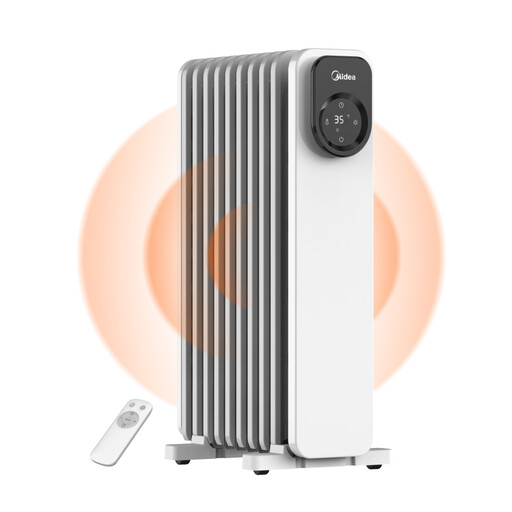
Why this product suits this profile: Suitable for anyone looking for a portable supplementary heater with even heat distribution, thermostat control and several operating options.
This design works without a constant flow of warm air. The product specifications also indicate thermostat control, overheat protection and tip-over protection.
2,000 watts, nine fins, four operating modes, LED touchscreen and remote control. According to the manufacturer’s description, the radiator continues to release heat after being switched off.
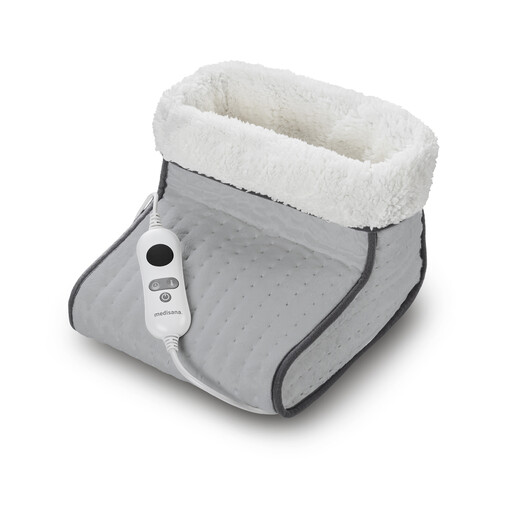
Why this product suits this profile: Ideal for working from home, relaxing on the sofa or sitting at your desk when you want to warm your feet rather than the entire room.
At 100 watts, this foot warmer is designed for targeted use. A timer of 1 to 6 hours and overheat protection support controlled operation.
Six temperature settings, interior suitable for shoe sizes up to 46, removable lining washable at 30 °C, and a 2.7-metre cable.
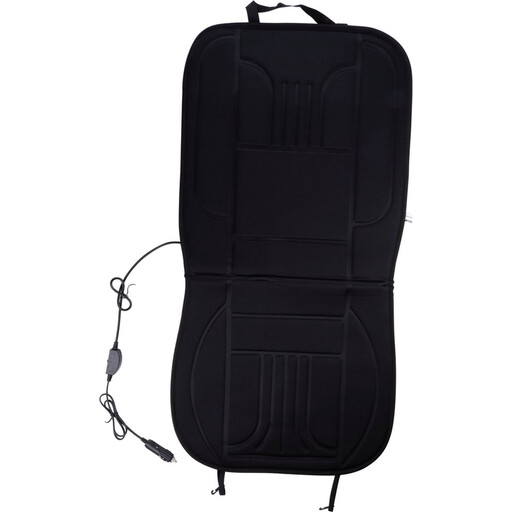
Why this product suits this profile: For drivers who want targeted warmth from the vehicle’s 12-volt connection.
The 12-volt operating voltage is clearly specified for connection to a vehicle. Before buying, check the connection, seat size and cable routing.
98 × 49 cm surface area, two heat settings and a specified power consumption of 35 to 45 watts.
We have put together a complete, regularly updated list of products that fully meet these strict selection criteria and the safety regulations applicable in the EU.
Regardless of the design, you should follow these guidelines:
A 2,000-watt fan heater uses 2 kWh per hour at full power. A 1,200-watt model uses 1.2 kWh per hour. A thermostat, timer and lower heat settings can reduce actual consumption by limiting operating time or power output.
A ceramic fan heater can distribute heat quickly through an airflow. However, the ceramic element alone does not automatically make the appliance more energy-efficient. Power consumption, room size, operating time, insulation and the use of a thermostat or Eco mode are the factors that matter.
Service life depends on the design, frequency of use, dust levels and maintenance. The air intake of fan heaters should be cleared of dust regularly. Heated blankets and foot warmers must not be kinked or exposed to sharp objects. If you notice visible damage to the cable, plug or casing, stop using the appliance.