
Lieferung heute & morgen

Qualitätsgarantie

Willkommens-Angebote freischalten: KOSTENLOSE Lieferung | Bis zu 80 % RABATT | Kostenlose 30-Tage-JoyPlus-Testphase
App herunterladen
An electric kettle should heat water reliably, take up little space and be easy to clean. However, wattage and design are not the only factors that matter when choosing one. If you focus solely on marketing claims such as “particularly fast” or “multifunctional”, you may overlook important details.
A high heating capacity can shorten the heating time, but depending on how the appliance is used, it can also increase the electrical power consumed during operation. What matters is the relationship between capacity, heating power and the actual amount of water. For a single cup, a 1.5-litre kettle is not necessarily more efficient than a compact kettle with a smaller capacity if it is regularly filled with too much water.
An electric kettle with temperature selection heats the water to a temperature you choose. A keep-warm function then maintains this temperature for a specific period. These two features are not the same and should be listed separately in the product description.
If you often prepare green tea, coffee or baby food, several temperature settings may be useful. For simply boiling water for pasta or tea, however, a model with automatic switch-off is often sufficient.
A glass kettle lets you see the water level and the boiling process. This also makes limescale deposits visible, so they need to be removed regularly. A stainless-steel kettle usually appears hard-wearing, but its exterior can become hot if it does not have a double-wall construction.
A material description alone also says little about the overall construction. You should additionally check the heating plate, lid, handle, limescale filter and how much of the interior can be reached for cleaning.
For one or two people, a capacity of around 1 to 1.25 litres may be sufficient. Families often choose a 1.5-litre kettle. A 3-litre hot water dispenser is more suitable for preparing several drinks, frequent dispensing or households where you do not want to start a complete boiling cycle every time.
The minimum and maximum markings are important. Overfilling can cause boiling water to spill from the spout. If too little water is added, the boil-dry protection function may become relevant.
Power is specified in watts. An appliance rated at 2,150 or 2,200 watts can heat larger quantities of water in a relatively short time. However, actual electricity consumption depends mainly on the amount of water and its starting temperature.
For everyday use, we recommend:
A hot water boiler or hot water dispenser with a keep-warm function can be practical if you dispense hot water frequently. For occasional boiling, a traditional kettle is often the simpler solution.
Relevant features include:
Before buying, you should also check the manufacturer and EU responsible-person details, as well as the operating and safety instructions. For appliances intended for German households, the mains voltage, plug and specific product documentation are also relevant.
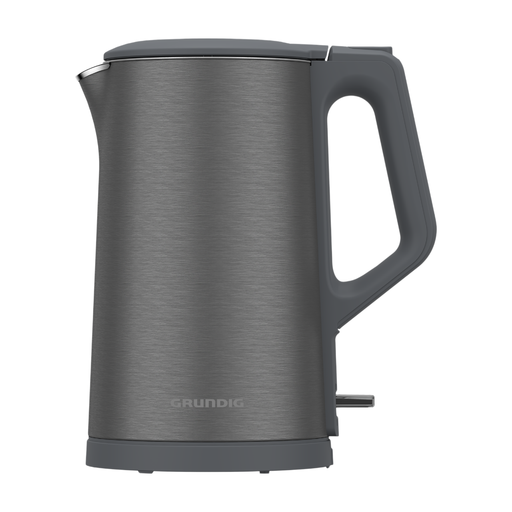
Why this product suits this profile: This model combines a 1.5-litre capacity with straightforward operation, making it suitable for everyday boiling in the home.
Automatic switch-off and boil-dry protection reduce the need for manual monitoring. The product data specifies a double-wall Cool-Touch construction.
2,150 watts, 1.5-litre capacity, 360-degree base and concealed stainless-steel heating element.
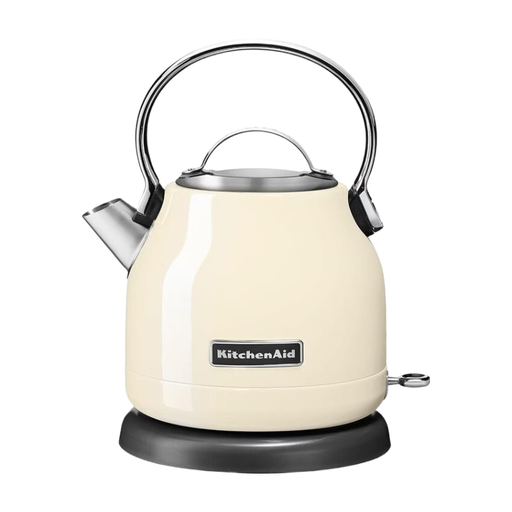
Why this product suits this profile: This compact stainless-steel model is aimed at users who value straightforward operation, easy-care details and a space-saving design.
The removable limescale filter makes regular maintenance easier. The internal water-level indicator helps prevent unnecessary overfilling.
1.25-litre capacity, 2,200 watts, stainless-steel body, drip-resistant spout and 360-degree base.
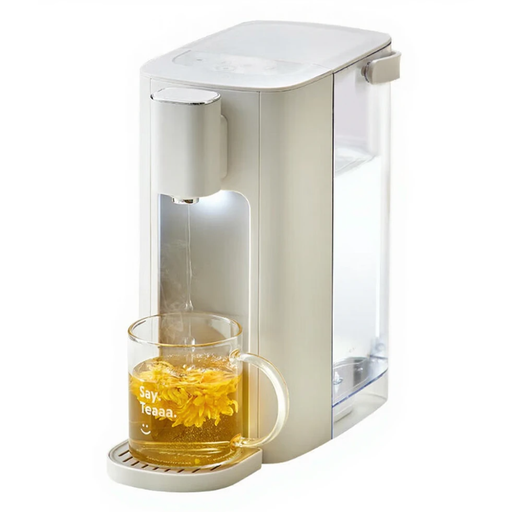
Why this product suits this profile: This appliance is designed for repeated hot-water dispensing and offers six temperature settings and five selectable dispensing quantities.
The settings are clearly specified: 45 to 90 °C and 150 to 500 millilitres per serving. According to the product description, a locking mechanism is included.
3-litre tank, 2,200 watts, six temperature settings, digital touch controls and automatic cleaning function according to the manufacturer’s specifications.
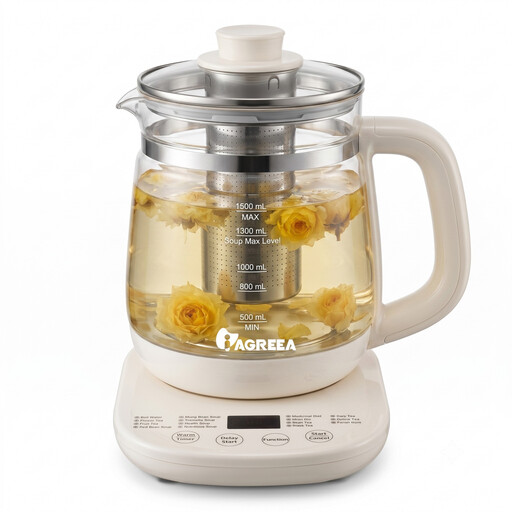
Why this product suits this profile: This tea-making model combines a glass container with temperature settings, programmes and a removable stainless-steel tea infuser.
The six temperature settings from 40 to 90 °C are clearly specified. The wide opening and removable components make it easier to clean the glass container and sieve.
1.5-litre capacity, 800 watts, 14 preset programmes, touch buttons and automatic keep-warm function according to the product specifications.
We have put together a complete, regularly updated list of products that fully meet these strict selection criteria and the safety regulations applicable in the EU.
Limescale affects heat transfer and can build up on the heating plate, spout or filter. The right descaling frequency depends on the water hardness in your area and how often you use the appliance. Follow the manufacturer’s instructions and allow the appliance to cool down completely before cleaning.
Place the electric kettle on a stable, heat-resistant surface. The base, power cable and electrical contacts must not come into contact with water. If there is visible damage to the cable, lid or housing, stop using the appliance. A kettle is also not a substitute for a permanently installed hot water boiler when larger quantities of warm water are continuously required for a sink or hand basin.
For individuals or couples, 1 to 1.25 litres is often sufficient. Families can prepare several cups in one go with a 1.5-litre kettle. If you often need hot water in different quantities, you may want to consider a hot water dispenser with a larger tank.
The cost depends on the power rating, amount of water, heating temperature and electricity tariff. A simple guide is provided by this calculation: Power in kilowatts × operating time in hours × electricity price per kilowatt-hour. Using less water and shorter running times reduces consumption. A keep-warm function can be practical if you use the appliance frequently, but it also consumes energy.
There is no single fixed service life that applies to every appliance. It is influenced by factors including water hardness, care, materials, frequency of use and how the cable and base are handled. Regular descaling, filling the kettle correctly and avoiding empty operation can help maintain its usability.