
Lieferung heute & morgen

Qualitätsgarantie

Willkommens-Angebote freischalten: KOSTENLOSE Lieferung | Bis zu 80 % RABATT | Kostenlose 30-Tage-JoyPlus-Testphase
App herunterladen
An electric milk frother can make preparing cappuccino and latte macchiato easier. However, eye-catching product claims do not automatically lead to the right buying decision. Technical specifications, cleaning requirements and how you intend to use the frother are what really matter.
A high power rating initially only describes the energy requirements of the motor or heating element. It says little about the consistency of the froth. With an electric milk frother, the whisk, rotation, filling capacity and temperature control are also important.
For example, a handheld milk frother without a heating function can produce froth quickly, but you will also need to heat the milk separately. An automatic milk frother, on the other hand, usually heats and froths the milk in a single operation.
With many appliances, the maximum heating capacity and maximum frothing capacity differ. Milk expands as it is frothed. If you exceed the marking inside the container, you risk spills and more time-consuming cleaning.
Smaller models are often sufficient for a single cappuccino. Households with several coffee drinkers should check whether the capacity is genuinely intended for two or more cups.
A smooth stainless steel container is generally straightforward to clean, but it does not replace cleaning after every use. Milk residue can collect around the lid, whisk, spout or coatings. Before buying, make sure you know:
If you want to prepare both hot and cold milk froth, look for explicitly stated programmes. An appliance with a heating function is better suited to hot milk drinks. A simple handheld milk frother or battery-operated travel frother generally works without its own temperature control.
Cappuccino usually calls for denser froth, while latte macchiato often benefits from more fluid milk that is easy to pour. Claims such as “3-in-1” or “8-in-1” should be checked against the actual modes included.
An electric stainless steel milk frother is temperature-resistant and can be durable when used correctly. Internal non-stick coatings make pouring and cleaning easier, but they must not be scratched with metal utensils.
With an induction-compatible milk frother, you need to distinguish between a manual pot or jug and an electric appliance. A manual stainless steel milk frother requires a compatible hob and then a separate manual action to froth the milk. Induction compatibility should be explicitly stated in the product details.
Compact handheld appliances are suitable for small kitchens, travel or occasional use. They require batteries or a rechargeable battery and normally cannot produce hot froth by themselves. Electric countertop appliances need a power socket, but often offer automatic programmes.
For fully automatic coffee machines with a milk system, the water tank, bean hopper, appliance width and access for cleaning are also relevant. A one-touch function reduces the number of steps involved, but it does not eliminate the need to clean the milk circuit every day.
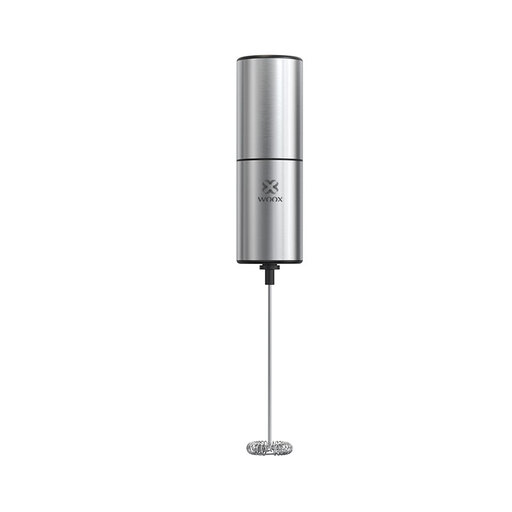
Why this product suits the profile: This battery-operated handheld appliance is suitable for anyone who wants to froth milk occasionally without needing a permanent place to keep it.
The portable design makes the lack of a heating function clear: the milk must be heated separately.
Compact design and battery operation for the kitchen, office or travel.
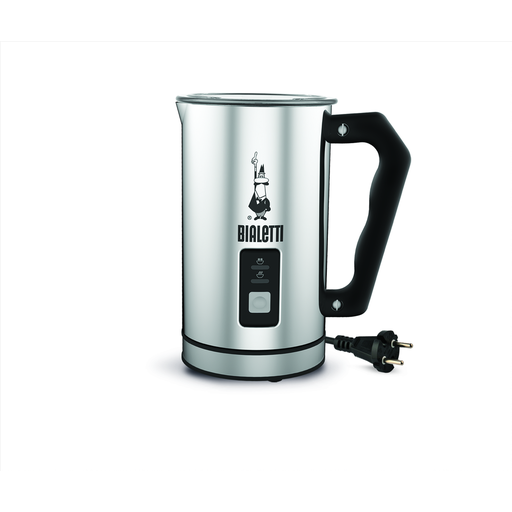
Why this product suits the profile: This countertop appliance combines a 500-W motor with two settings for frothing or heating and mixing.
The two operating modes are more specific than a general multifunction claim, making it easier to choose the right setting.
240 ml capacity, stainless steel housing and an internal non-stick coating.
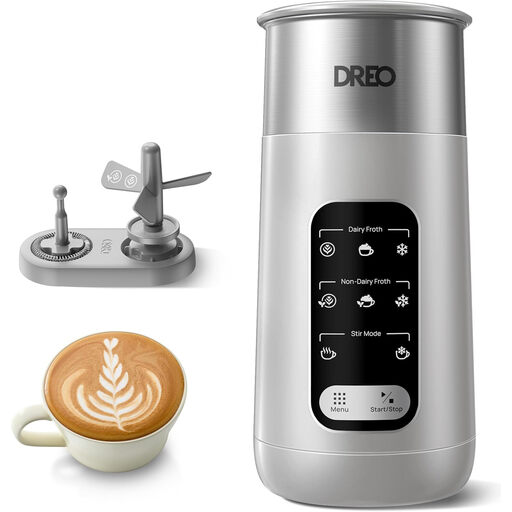
Why this product suits the profile: The listed programmes include hot and cold froth options, temperature control and different attachments.
The fill markings and separate cleaning of the base, jug and attachments help prevent overfilling and moisture damage.
270 ml capacity, plus adjustable frothing and temperature programmes.
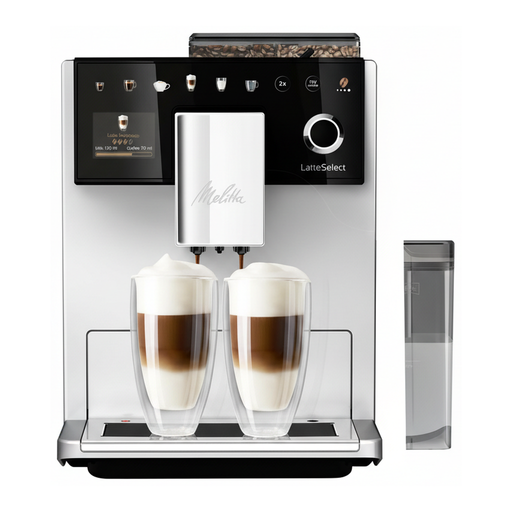
Why this product suits the profile: This fully automatic coffee machine with a milk system is designed for households that want to prepare coffee drinks, including cappuccino and latte macchiato, at the touch of a button.
The product details specify a 1.8 l water tank, 270 g bean hopper and a daily cleaning interval for the milk system.
Integrated grinder, one-touch operation and adjustable temperature and drink settings.
We have put together a complete, regularly updated list of products that fully meet these strict selection criteria and the safety regulations applicable in the EU.
A countertop appliance usually heats and moves the milk using a rotating whisk or stirring attachment. Depending on the model, the temperature is controlled automatically. A handheld milk frother, by contrast, uses a small motor and requires a separate container as well as milk that is already hot or cold.
There is no universal answer for a fixed service life. It depends on how often the appliance is used, how it is cleaned, its contact with water and milk, and how the coatings are treated. Milk residue should be removed after every use. The electrical base, cable and connections must not be immersed in water.
Consumption depends on the power rating and programme duration. A battery-operated handheld appliance does not use mains electricity, but it does involve ongoing costs for batteries or recharging. An appliance with a 500-W heating element only uses this amount of power while it is operating. Actual usage time per preparation is therefore the key factor in running costs.