
Lieferung heute & morgen

Qualitätsgarantie

Willkommens-Angebote freischalten: KOSTENLOSE Lieferung | Bis zu 80 % RABATT | Kostenlose 30-Tage-JoyPlus-Testphase
App herunterladen
Sensitive teeth, exposed tooth necks or gums that bleed easily when brushing can make choosing an electric toothbrush more challenging. Many products promote powerful cleaning, whitening or an especially high number of movements per minute. However, these figures alone do not show whether a model is suitable for sensitive areas of the mouth.
Three common buying misconceptions particularly often lead to the wrong choice:
For sensitive gums, soft or extra-soft brush heads are a key consideration. Rounded or tapered bristles can reach the gumline without requiring unnecessary pressure during brushing.
A Sensitive or Gentle mode reduces the intensity, depending on the model. How you use the toothbrush remains crucial: guide the brush head over your teeth without applying pressure. An electric toothbrush does not replace a careful brushing technique.
You should also look for:
A sonic toothbrush uses rapid bristle movements, while oscillating-rotating models clean with a round brush head. Both designs may be suitable for sensitive teeth, provided you use an appropriate attachment and a low intensity.
When buying replacement brush heads, manufacturer compatibility is not merely a matter of convenience. Check the exact product family before buying:
Many manufacturers recommend replacing the brush head roughly every three months, or sooner if the bristles become frayed. The information on the packaging is the deciding factor.
Claims such as “removes plaque”, “removes tartar” or “whitens teeth” should be considered carefully. Plaque is a soft bacterial film that can be loosened through regular brushing. A toothbrush will not normally remove hardened tartar completely, which should be treated at a dental practice or during a professional dental cleaning.
Whitening modes are generally intended to remove surface stains. Advertising claims involving specific percentages or time periods only apply to the comparison stated and should be understood as manufacturer information. According to the relevant product description, technical figures may, for example, be based on specific test conditions.
The following products are organised by usage profile. Verifiable features such as bristle type, operating modes, battery information, pack contents and compatibility are taken into account.
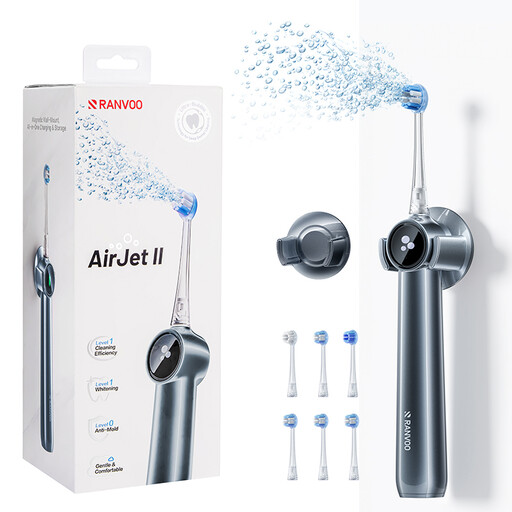
Why this product suits this profile: Four cleaning modes, including Gentle, a two-minute timer and a battery that, according to the product description, lasts for up to 50 days in Gentle mode provide a straightforward introduction to electric oral care.
Gentle mode allows you to start cautiously. If you have sensitive gums, use only the soft attachment; hard and medium attachments are not automatically suitable for sensitive areas.
Four modes, IPX7 water protection, magnetic charging station and several brush heads included.
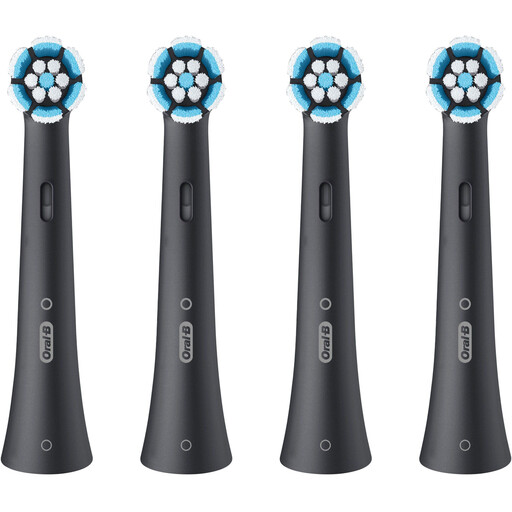
Why this product suits this profile: These attachments are designed exclusively for Oral-B iO handles and, according to the product description, combine up to 4,000 soft bristles with a cushioned outer ring.
Clear iO compatibility helps prevent unsuitable purchases. Discolouration of the indicator bristles provides a visible signal that the brush head needs replacing.
Soft bristles, round brush head, cushioned outer ring and four-pack.

Why this product suits this profile: The five-pack is ideal for regular users of a compatible Philips Sonicare toothbrush. According to the product description, the soft bristles are designed to clean along the gumline.
Click-on compatibility and the replacement indicator help prevent unsuitable attachments or using a brush head for too long.
Soft bristles, five-pack, BrushSync replacement reminder and 70% biobased plastic according to the product description.
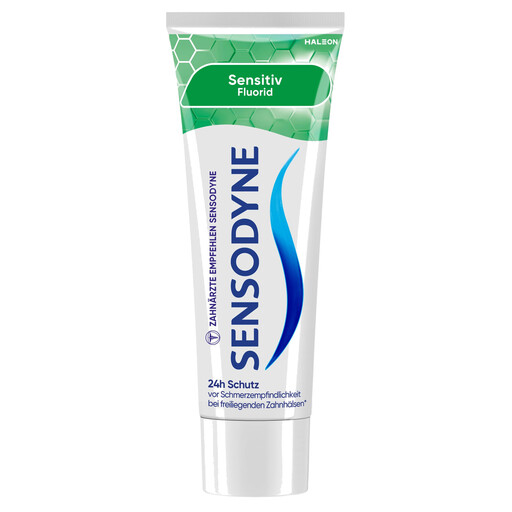
Why this product suits this profile: According to the product description, this toothpaste contains potassium nitrate and sodium fluoride with 1450 ppm fluoride, and is intended for adults with sensitive teeth.
It complements an electric toothbrush with a soft attachment, but does not replace a dental assessment for persistent symptoms.
Fluoride content of 1450 ppm according to the product information, daily use and gentle cleaning for teeth and gums.
We have put together a complete, regularly updated list of products that fully meet these strict selection criteria and the safety regulations applicable in the EU.
A toothpaste for sensitive teeth or toothpaste for tooth sensitivity can complement your daily care routine. Check the fluoride content, age recommendation and usage instructions on the packaging. For products containing 1450 ppm fluoride, follow the stated dosage; toothpaste should not be swallowed.
For your daily routine, we recommend:
Bleeding can be caused by an unfamiliar cleaning routine, but it may also indicate gum inflammation, plaque build-up or other causes. If bleeding continues for longer, pain occurs or symptoms worsen, you should visit a dental practice.
Models with a Sensitive mode, pressure control and soft brush heads are suitable. The specific design – sonic or oscillating-rotating – is less important than using the right intensity and brushing gently.
Many manufacturers recommend replacing the brush head approximately every three months. If the bristles become frayed, loose or heavily discoloured, replacing it sooner is advisable. The specific recommendation from the relevant manufacturer takes precedence.
An electric toothbrush can loosen soft plaque and surface deposits. It will not reliably remove tartar that has already hardened. This requires an examination and, if necessary, professional cleaning at a dental practice.