
Lieferung heute & morgen

Qualitätsgarantie

Willkommens-Angebote freischalten: KOSTENLOSE Lieferung | Bis zu 80 % RABATT | Kostenlose 30-Tage-JoyPlus-Testphase
App herunterladen
Whether it's a detailed toy police car or a large toy fire engine with a working pump, emergency vehicles fascinate children and collectors alike. However, the selection is vast, and the differences in quality are significant. As a Joybuy Product Recommendation Officer, I'll help you navigate the common pitfalls of purchasing and make an informed decision that guarantees long-lasting enjoyment.
Before you choose a new model, you should be aware of the most common issues that often only become apparent after unboxing.
To avoid these pitfalls, focus on three objective criteria that determine a model's quality and play value.
The choice of material is fundamental to durability.
The scale indicates the size ratio of the model to the original vehicle and is crucial for compatibility.
More functions do not always mean more play value. Consider what is important for the user.
Here are some recommendations tailored to different needs and age groups that meet the quality criteria mentioned.

Why it's a great fit: Ideal for younger children from 3 years and as an entry into the world of collecting. The compact size and substantial weight provide a premium feel and fit well in small hands.
The die-cast metal body is extremely durable, avoiding the trap of short-lived plastic parts. There are no delicate, easily breakable mechanisms.
High stability due to metal body; rubber tyres for smooth rolling on various surfaces.
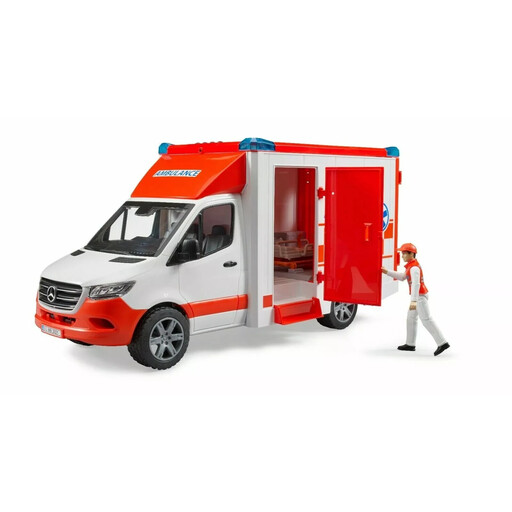
Why it's a great fit: For children aged 4 and up who want to re-enact rescue missions in detail. The opening doors, removable roof, and included figure allow for deep, imaginative play.
The light and sound module is robustly integrated into the high-quality ABS plastic body. The functions are durable, and the batteries (not included) last a long time with normal use.
Integrated light and sound module; fully articulated bworld figure included; compatible with the Bruder system in 1:16 scale.
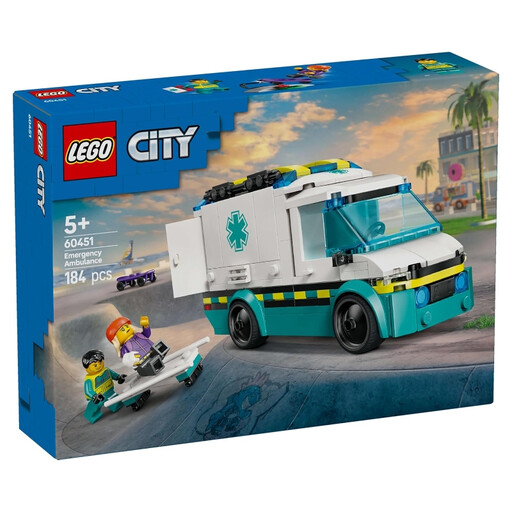
Why it's a great fit: Perfect for children aged 5 and up who not only love to play but also to build. The assembly process develops fine motor skills and the ability to follow instructions.
This set completely avoids the incompatibility trap, as it is part of the universally expandable LEGO City system. Every piece is guaranteed to fit with other LEGO sets.
Combines the fun of building and playing; fosters creativity and construction skills; seamlessly integrates into the vast LEGO City universe.
We have compiled a complete, up-to-date list of products that fully meet these strict selection criteria and German safety regulations.
For younger children (approx. 3-5 years), larger scales like 1:16 (Bruder) or robust, non-scale systems (e.g., Paw Patrol) are often more suitable as they are easier to handle and more durable. For older children and collectors, the detailed 1:50 or 1:87 scales (Siku) are appealing as they offer more realism and a greater variety in a smaller space.
Avoid contact with water or high humidity at all costs. A dry or slightly damp cloth is sufficient for cleaning. Remove the batteries if the toy will not be used for an extended period to prevent leakage. Battery replacement should always be done by an adult.
No, as a rule, they are not directly compatible. Bruder focuses on the 1:16 scale, while Siku offers a variety of smaller scales such as 1:50, 1:87, and others. A bworld figure from Bruder would be far too large for a 1:50 scale Siku car. It is advisable to stick within one brand's ecosystem to ensure the compatibility of vehicles, figures, and accessories.