
Lieferung heute & morgen

Qualitätsgarantie

Willkommens-Angebote freischalten: KOSTENLOSE Lieferung | Bis zu 80 % RABATT | Kostenlose 30-Tage-JoyPlus-Testphase
App herunterladen
A high-quality wooden cutting board is an investment that, when chosen correctly, will bring years of joy to your kitchen. But the market is flooded with products whose quality only becomes apparent with use—often when it's too late. Many buyers find that after just a few weeks, their new board warps, cracks, or is simply impractical for daily kitchen life. This guide will show you the crucial features to look for to make an informed decision.
Before we dive into the key features, let's look at the typical problems that can lead to purchase regret.
To avoid these mistakes, you should check three key aspects before buying. These will help you separate the wheat from the chaff and find a durable, functional product.
The choice of wood is fundamental. Hardwoods like acacia, oak, or maple are excellent choices due to their density and resilience. The bamboo cutting board holds a special position. While technically a grass, bamboo possesses high hardness and density. Pay attention to the craftsmanship:
A good kitchen board with a juice groove is indispensable for cutting meat, fruit, and vegetables. The surrounding channel reliably catches liquids and keeps your work surface clean. Such a board is also known as a carving board and is a worthwhile addition for any roast enthusiast.
Size also plays a crucial role. A large cutting board offers ample space to comfortably process ingredients without them falling off the board. For smaller tasks or kitchens with limited space, a cutting board set of various sizes can be a flexible solution. Integrated handles also make lifting and transport easier, especially if the board is also used for serving.
Consider what you will primarily use the board for. Are you looking for a robust workhorse for daily use or an elegant wooden cheese board for special occasions?
Based on the criteria mentioned, we have identified some products that are particularly suitable for different user profiles.

Why This Fits Their Persona: Ideal for home cooks who want the right durable board on hand for every task—from dicing a small onion to prepping a large meal.
According to the manufacturer, the carbonisation of the bamboo reduces moisture absorption, effectively preventing warping and cracking (Mistake #1). Each board features a juice groove and handles, ensuring full functionality (Mistake #2).
A set of three different sizes for maximum flexibility. Integrated juice groove and carrying handles on every board.
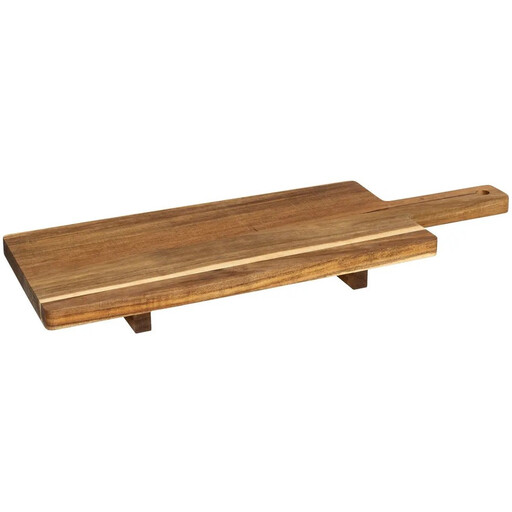
Why This Fits Their Persona: Perfect for hosts who want to present a wide selection of cheeses, tapas, or antipasti on a single, impressive board that becomes the centrepiece of the table.
This product is clearly positioned as a serving board, thus avoiding the false expectation of it being a heavy-duty workhorse (Mistake #3). The sturdy acacia wood is still resilient enough for slicing bread or cheese directly at the table.
Extra-large surface (70 x 25 cm) for versatile presentations. Made from durable and visually appealing acacia wood.
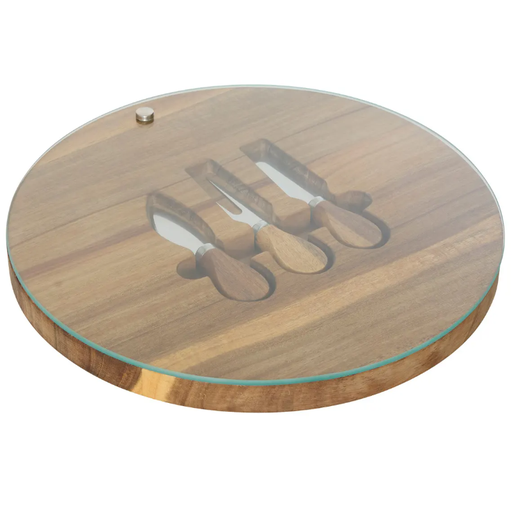
Why This Fits Their Persona: For the cheese aficionado or as a gift for someone who wants a dedicated, elegant board for arranging cheese, fruit, and snacks.
As a purpose-built cheese board made from high-quality acacia wood, it is optimised for its task. It avoids the disappointment of expecting an all-purpose board and instead excels in its niche (Mistake #3).
Elegant, round design with a 30 cm diameter. Crafted from durable and eco-friendly acacia wood with a beautiful grain.
We've compiled a complete, up-to-date list of products that fully meet these strict selection criteria and safety standards.
Proper care is crucial for longevity. Clean the board by hand after use with warm water and a mild detergent. It is not dishwasher-safe, as the heat and harsh cleaning can dry out the wood and lead to cracks. Dry it thoroughly and store it upright to allow air to circulate. Treat the wood regularly (about every 4-6 weeks) with a food-safe mineral oil or beeswax to protect it from drying out.
Generally, dense hardwoods are best. These include acacia, oak, walnut, beech, and maple. These woods are robust, durable, and relatively gentle on knives. Bamboo is also a very popular choice; it is hard, absorbs little moisture, and is considered a sustainable resource. Softer woods like pine are less recommended for cutting, as they quickly develop deep grooves.
That depends on the material and intended use. A sturdy wooden serving board made of acacia or bamboo can handle slicing cheese, bread, or soft fruit. However, for daily chopping of vegetables or carving meat, you should use a dedicated kitchen board. This not only protects the surface of your beautiful serving board but is also often more practical, especially if the work board has a juice groove.