
Lieferung heute & morgen

Qualitätsgarantie

Willkommens-Angebote freischalten: KOSTENLOSE Lieferung | Bis zu 80 % RABATT | Kostenlose 30-Tage-JoyPlus-Testphase
App herunterladen
A good wooden cutting board is the cornerstone of any kitchen. It not only protects your knives but also serves as a durable and hygienic companion for daily food preparation. However, the market is flooded with products whose quality is difficult to assess at first glance. As your Joybuy Product Recommendation Officer, I'm here to help you identify the common pitfalls and make an informed decision.
Many well-intentioned purchases quickly turn into disappointments. Watch out for these three common problems to avoid a poor investment:
To find the right wooden board for your kitchen, you should focus on objective criteria rather than relying on marketing promises.
The choice of material is fundamental to durability and functionality. The main distinction is between various types of wood and bamboo.
A board's practicality depends on thoughtful details.
Here are some recommendations tailored to different user profiles that meet the quality criteria mentioned.
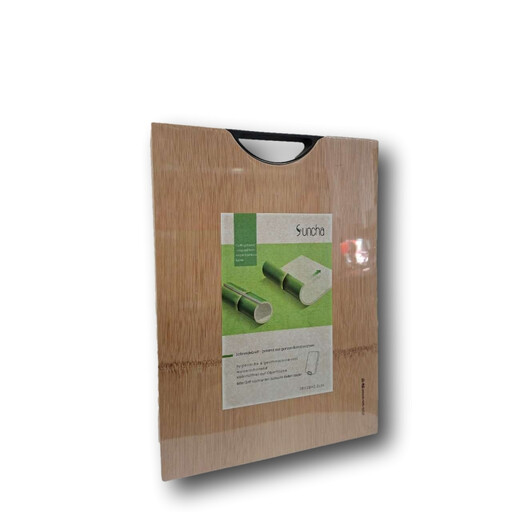
Why This Fits Their Persona: Ideal for daily kitchen tasks. The size is a great compromise between ample workspace and easy handling. Bamboo is robust and forgiving, even during hectic everyday use.
The solid bamboo construction is dimensionally stable and resistant to moisture. The hard surface prevents deep cuts. The integrated handle ensures practical handling.
The high density and hardness of the bamboo material ensure longevity and a low-maintenance surface.
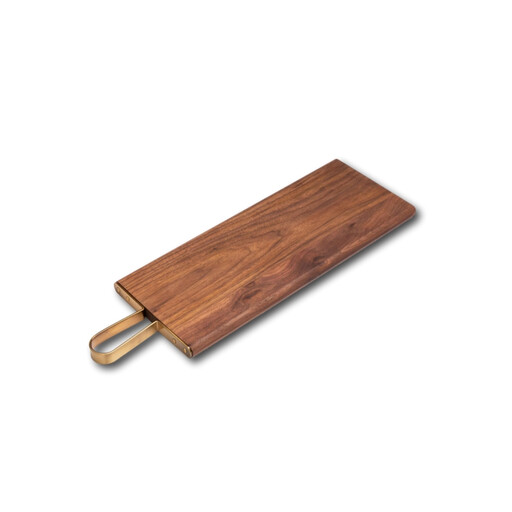
Why This Fits Their Persona: Anyone who values high-quality knives needs a board that is gentle on the blades. Walnut wood is known for this. Its elegant appearance also makes it a handsome wooden serving board.
As a hardwood, walnut is resistant to deep cuts. The solid craftsmanship and thoughtful design with a long handle are testaments to its quality and functionality.
Combines knife-friendly properties with an elegant, dark wood grain. Versatile for use as both a cutting and serving board.
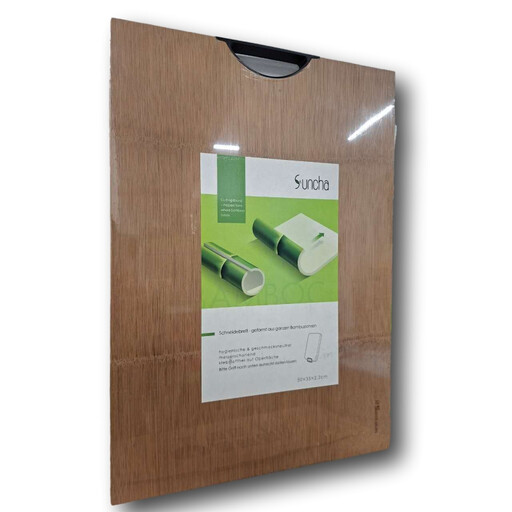
Why This Fits Their Persona: Anyone who cooks for the whole family or enjoys preparing elaborate dishes needs space. This extra-large board offers a huge work surface for prepping large quantities.
The massive 26 mm thickness provides extreme stability and minimises the risk of warping. The large work surface and handle make it practical despite its size.
Maximum workspace and high stability for demanding kitchen tasks, from chopping mountains of vegetables to rolling out dough.
We have compiled a complete, up-to-date list of products that fully meet these strict selection criteria and safety standards.
Proper care is crucial for longevity. After use, clean the board with a damp cloth and a little mild dish soap. Briefly rinse it under running water and dry it thoroughly immediately. It's best to stand it upright to dry. Important: Wooden and bamboo boards must never be cleaned in the dishwasher or left to soak in water for extended periods. To keep the material supple and protect it from drying out, it should be regularly (approx. every 4-6 weeks) treated with a food-safe conditioning oil, such as mineral oil or a special wood care oil.
Both hardwood and bamboo have good hygienic properties. Wood naturally contains tannins, which can have an antibacterial effect. Due to its high density, bamboo is less porous than many types of wood, making it harder for liquids and bacteria to penetrate. With proper cleaning and care, both materials are a hygienic choice for the kitchen. The crucial step is to always clean the board thoroughly after contact with raw meat, poultry, or fish.
A juice groove is a channel running around the edge of the cutting board. Its function is to catch liquids that are released when cutting food. This is particularly useful when carving a roast, slicing steaks, or cutting very juicy tomatoes and melons. Without such a groove, the juice would run off the edge of the board onto your work surface, creating an unnecessary mess. A carving board with a juice groove thus ensures a clean and tidy work environment.