
Lieferung heute & morgen

Qualitätsgarantie

Willkommens-Angebote freischalten: KOSTENLOSE Lieferung | Bis zu 80 % RABATT | Kostenlose 30-Tage-JoyPlus-Testphase
App herunterladen
Whether you're playing sports, on a hike, or in the middle of a long workday, the need for a quick and convenient source of energy is a familiar one. Energy bars offer a simple solution, but the market is vast and can be overwhelming. This guide is here to help you navigate the options, introducing different types of bars to provide an informed basis for your purchasing decision. As your Joybuy Product Recommendation Officer, I've gathered information to help you find the right bar for your individual needs.
The right bar for you depends heavily on your personal requirements and intended use. Three key criteria can help guide your decision.
The composition of a bar determines its primary benefit.
Not every bar is suitable for every situation. Consider when and why you need a bar.
For consumers who value specific production standards, certifications can offer guidance. An organic bar, for example, must contain ingredients from organic farming and is subject to corresponding EU regulations. The origin information on the packaging also provides details about the manufacturer.
Based on the criteria above, we have curated a selection of products that cater to different needs.
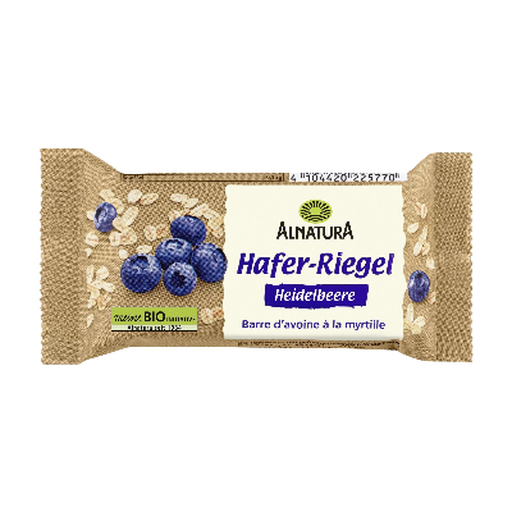
Why it stands out: This bar from Alnatura is based on whole-grain oat flakes and ingredients from organic farming. The combination of oats and blueberries creates a fruity and hearty flavour.
Pros:
Who it's for: This bar is a great choice for anyone looking for an organic snack for hikes, bike rides, or a break-time treat, and who values ingredients from organic farming.
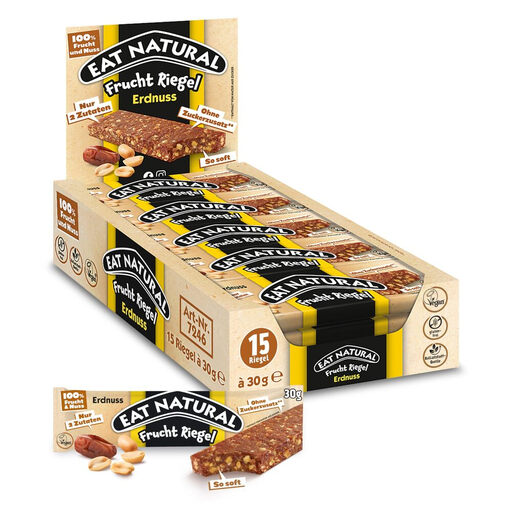
Why it stands out: The ingredients list for this bar is intentionally simple: according to the manufacturer, it consists of 65% dates and 35% peanuts. No extra sugar is added.
Pros:
Who it's for: Ideal for individuals who prefer a straightforward, plant-based snack with minimal ingredients and no added sugar. The bulk pack is well-suited for families and for regularly taking to work or the gym.
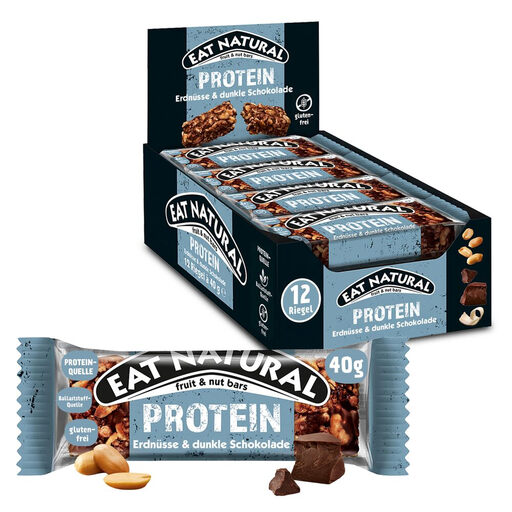
Why it stands out: This bar combines a high percentage of peanuts (49.5%) with dark chocolate and shredded coconut. The clear focus here is on protein content.
Pros:
Who it's for: This protein bar is aimed at active individuals looking to support their protein intake after a workout, as well as anyone seeking a satisfying, nutty snack for in-between meals.
The products featured here cover only a small part of the available range. Everyone has different taste preferences and dietary needs. If you're looking for more alternatives or want to explore specific flavours, you're sure to find the right product in our broader selection.
Explore our entire selection of Fruit Bars and find your favourite.
The main difference lies in the nutritional profile. A classic energy bar is typically rich in carbohydrates to provide a quick supply of energy. A protein bar, on the other hand, has a significantly higher protein content, which contributes to satiety and can be important for muscle building and maintenance.
Whether a bar can be classified as a healthy on-the-go snack depends on its ingredients. Varieties made with whole grains, nuts, fruits, and no added sugar or artificial additives can be a convenient and nutritious option for in-between meals. It is always advisable to check the ingredients list and nutrition facts on the packaging.
Manufacturers are required to clearly label allergens like gluten on the packaging. Look for terms like "gluten-free" or the corresponding symbol (the crossed-grain symbol). For vegan bars, check the ingredients list for animal products such as milk, honey, or eggs. Many products also carry an official vegan seal for easier identification.