
Lieferung heute & morgen

Qualitätsgarantie

Willkommens-Angebote freischalten: KOSTENLOSE Lieferung | Bis zu 80 % RABATT | Kostenlose 30-Tage-JoyPlus-Testphase
App herunterladen
Household appliances with energy efficiency class C are an appealing option for many German households when energy consumption, features and purchase price need to be considered together. However, the label alone is not enough to choose the right appliance. The actual annual consumption, dimensions, noise level and everyday usability are also important.
When buying a freestanding fridge or dishwasher in particular, poor purchases are often caused by three typical marketing traps:
The EU energy label for refrigeration appliances and dishwashers uses a scale from A to G. Class C represents a defined efficiency level within this scale, but it is not a direct indication of total running costs.
When comparing appliances, check the following figures:
A practical cost comparison can be made using this simple calculation:
Consumption in kWh × your electricity price per kWh = estimated energy costs
This is intended as a guide only. Actual consumption depends on factors including room temperature, how fully the appliance is loaded, door openings and the programmes selected.
An energy-efficient fridge should suit the size of your household and your shopping habits. A single-person household will usually need a different layout from a family. If you regularly store fresh food, you will benefit from a generously sized refrigerator compartment. For supplies and frozen food, a sufficiently large freezer compartment is essential.
When choosing a fridge freezer, look out for:
A freestanding fridge can usually be positioned more flexibly, but it needs sufficient clearance for ventilation. For taller models, you should also check whether the route into your home, door height and clearance from the ceiling are adequate. A large fridge with 400 litres of usable capacity only makes sense if you will regularly use the storage space.
With dishwashers, the external dimensions are often the first consideration. A 60 cm dishwasher typically offers more interior space and is suitable for families or households that regularly generate a large amount of washing-up. A 45 cm slimline dishwasher is suitable for narrow kitchens or smaller households. Before buying, measure the aperture or floor space, as well as the distance to the water connection and socket.
Important points to compare include:
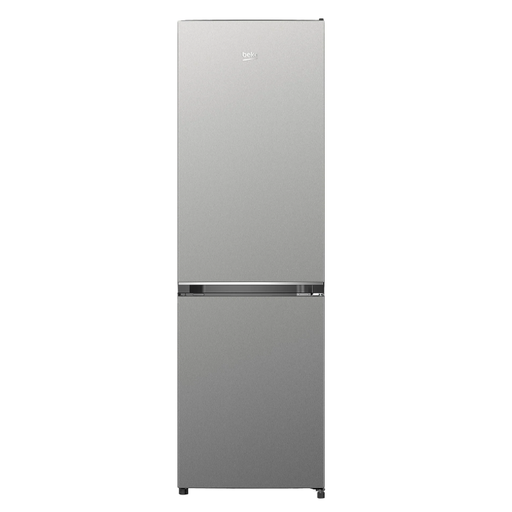
Why this product suits the profile: With a 180 l refrigerator compartment and a 70 l freezer compartment, this model offers a manageable size for couples, single people and smaller households.
The figures for 250 l usable capacity, 140 kWh annual consumption and 39 dB(A) make it easier to assess space requirements, electricity consumption and operating noise.
NoFrost, Fast Cooling, Fast Freezing and a reversible door; dimensions: 54 × 180 × 57,6 cm.
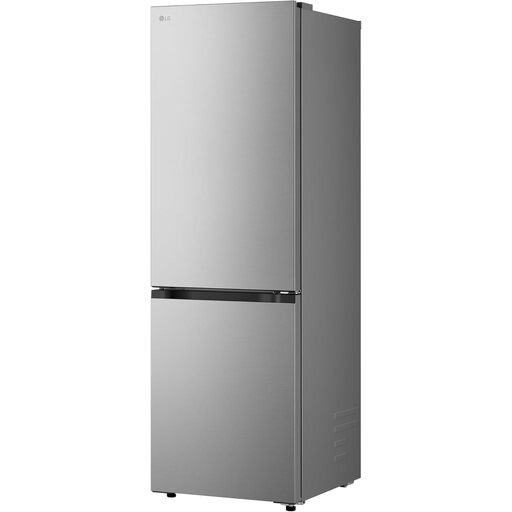
Why this product suits the profile: The 333 l total capacity provides separate areas for fresh and frozen food in a freestanding fridge freezer.
The stated annual consumption of 169 kWh, noise level of 34 dB(A) and reversibly fitted door make key comparison criteria easy to understand.
Total No Frost, fast-cooling and fast-freezing functions, with 220 l refrigerator and 113 l freezer capacity.
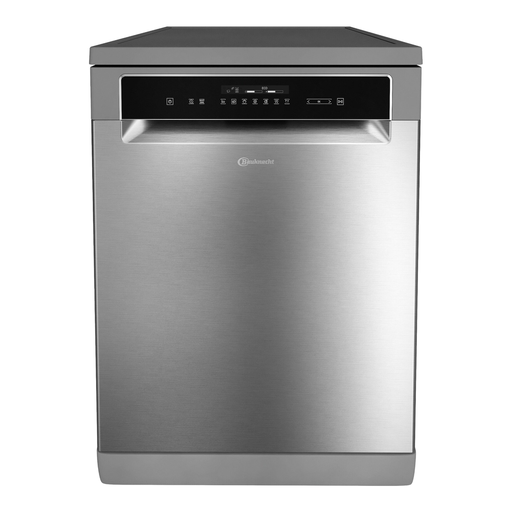
Why this product suits the profile: With 14 place settings, MultiZone and several intensive and express programmes, this model is designed for families and households with varying load sizes.
According to the product information, Eco consumption is 75 kWh per 100 cycles and 9,5 l of water per cycle; the noise level is 41 dB(A).
PowerClean for designated intensive cleaning, ActiveDry for door opening at the end of the programme and a 60-cm design.
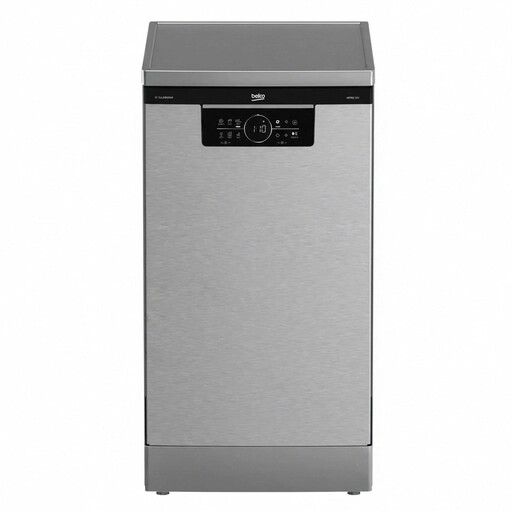
Why this product suits the profile: The 45 cm width and 10 place settings are designed for narrow kitchens, couples and single people.
The product data states 59 kWh per 100 cycles, 8,9 l of water per cycle and 44 dB(A). This makes it possible to assess the slimline design objectively.
AquaIntensive zone, height-adjustable upper basket, additional cutlery drawer and Schnell+ for a shorter programme duration.
We have put together a complete, regularly updated list of products that fully meet these strict selection criteria and the safety regulations applicable in the EU.
Class C indicates an efficiency level under the EU scale. Whether an appliance uses little electricity in everyday use also depends on its size, annual consumption, usage and programme selection. You should therefore always compare the kWh figure for several models.
A fixed service life cannot be guaranteed. Regular cleaning, unobstructed ventilation openings, correct loading and following the manufacturer's instructions can help support trouble-free operation. The filters, spray arms and seals of a dishwasher should be maintained in accordance with the user manual.
That depends on how you use the appliance. If you use the freezer compartments frequently, NoFrost can reduce the need for manual defrosting. If you only store frozen food occasionally or use a small freezer compartment, compare the feature with your actual needs and the total costs.