
Lieferung heute & morgen

Qualitätsgarantie

Willkommens-Angebote freischalten: KOSTENLOSE Lieferung | Bis zu 80 % RABATT | Kostenlose 30-Tage-JoyPlus-Testphase
App herunterladen
Purchasing new home appliances is a significant investment. Beyond the purchase price, running costs are becoming an increasingly important consideration. Energy-efficient appliances promise savings on your electricity bill and are better for the environment. However, the market is flooded with marketing promises and technical specs that often confuse more than they clarify. As your Joybuy Product Recommendation Officer, I'll help you identify the key criteria and avoid common purchasing traps.
Before we dive into the important technical features, let's look at the most common poor decisions that lead to disappointment and unnecessary costs.
To make an informed decision, you should focus on a few critical technical features.
Since March 2021, a new, stricter EU energy label with a scale from A (very efficient) to G (less efficient) has been in effect. The old plus-classes (A+++, A++, A+) have been discontinued.
Think carefully about what your household needs. A family of four has different requirements than a single-person household.
Here are some product recommendations tailored to specific user profiles and their requirements.
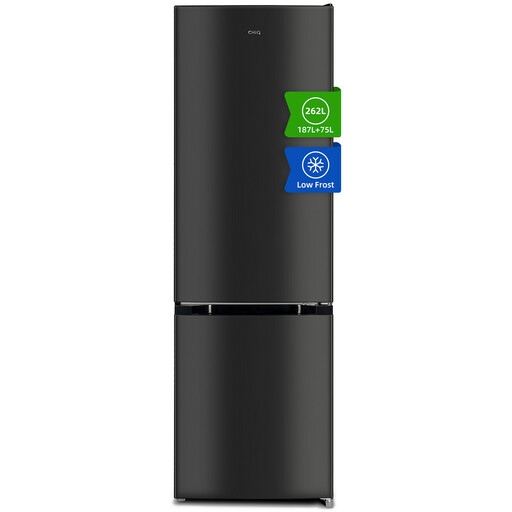
Why it's a great fit: Ideal for small families or couples looking for a reliable and spacious fridge-freezer without expensive extra features. With a total volume of 262 litres and a standard width of 54 cm, it fits into most kitchens.
This model focuses on core functionality. It forgoes complex smart features, instead offering solid value for money with a clear emphasis on usable storage space.
Low Noise Level: At just 39 dB, the appliance is very quiet and well-suited for open-plan kitchens. Low-Frost Technology: Reduces ice formation and minimises the effort required for defrosting.
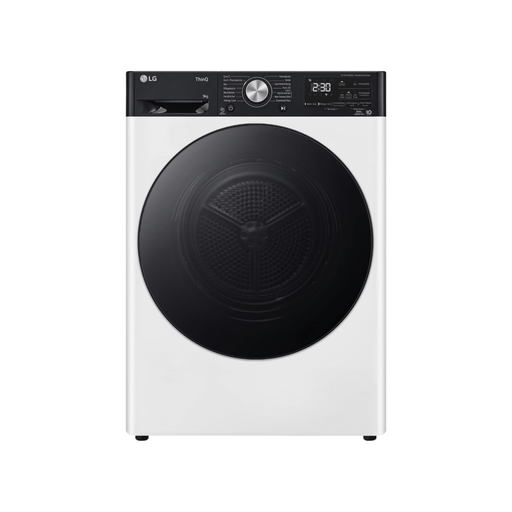
Why it's a great fit: For larger households that value advanced technology for fabric care and efficiency. The 11 kg drum handles large loads of laundry, while the smart functions make daily life easier.
The smart functions of this LG washing machine offer real value: AI DD technology detects the fabric type and adjusts the drum movements accordingly, which protects your clothes. TurboWash 360° provides a thorough clean in a short amount of time.
Energy Efficiency Class A: With a consumption of just 47 kWh per 100 cycles, it is extremely economical. Steam Technology: According to the manufacturer, it removes 99.9% of allergens like dust mites, making it ideal for allergy sufferers.
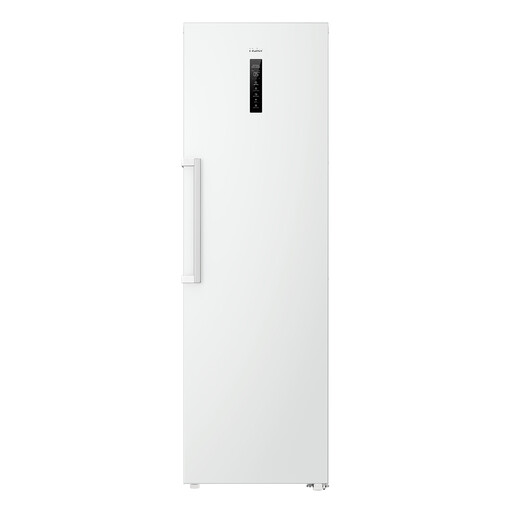
Why it's a great fit: Perfect for anyone who needs a dedicated refrigerator with maximum energy efficiency and ample storage, for example, to complement a separate freezer.
This appliance proves that Energy Efficiency Class A makes a real difference. It focuses on a single task—cooling—and does it with minimal energy consumption, rather than making compromises in a combination unit.
Extremely Low Energy Consumption: With approx. 56 kWh per year, the absolute consumption is very low. Total No Frost: Prevents ice build-up and ensures consistent cooling performance without manual defrosting.
We've compiled a complete, up-to-date list of products that fully meet these strict selection criteria and German safety regulations.
Yes, in most cases, the higher purchase price pays for itself over the appliance's lifespan through saved electricity costs. To calculate this, compare the absolute annual consumption (kWh/annum) of two appliances and multiply the difference by your current electricity price per kWh. Over ten years, a Class A appliance can save several hundred euros compared to a Class D or E appliance.
"No Frost" is a technology where cold, circulating air reduces the moisture in the freezer compartment and directs it outside. This prevents ice from forming on the interior walls or on the frozen food. This has two key advantages: you never have to manually defrost the appliance again, and without the insulating layer of ice, the freezer operates more efficiently at all times. It is a highly recommended feature.
The lifespan heavily depends on product quality, frequency of use, and maintenance. Generally, large home appliances like refrigerators or washing machines have an expected lifespan of about 10 to 15 years. Regular maintenance, such as cleaning filters (for washing machines and dryers) or keeping ventilation slots clear (for refrigerators), can significantly preserve its lifespan and efficiency.