
Lieferung heute & morgen

Qualitätsgarantie

Willkommens-Angebote freischalten: KOSTENLOSE Lieferung | Bis zu 80 % RABATT | Kostenlose 30-Tage-JoyPlus-Testphase
App herunterladen
Rising energy costs and growing environmental awareness are putting one household appliance in the spotlight: the washing machine. Buying a new, energy-efficient washing machine promises long-term savings and conserves resources. However, the market is flooded with marketing promises and technical specs that often confuse more than they help. As your Joybuy Product Recommendation Officer, I'll help you separate the crucial facts from the marketing fluff and make an informed decision.
Before you buy a washing machine, you should be aware of the most common pitfalls that can lead to an unsuitable choice.
To make a choice that you'll be happy with long-term, you should focus on three objective criteria. These will help you to factually assess a machine's performance and efficiency.
Since 2021, the new EU energy label with a scale from A (very efficient) to G (less efficient) has been in effect. An energy efficiency class A is a good starting point. However, the specific consumption values shown on the label are what truly matter:
The motor is the heart of every washing machine and has a major impact on its durability and noise level.
The right size and design are crucial for efficiency and everyday convenience.
Based on these objective criteria, we have identified several models that offer a suitable solution for different needs and household types.
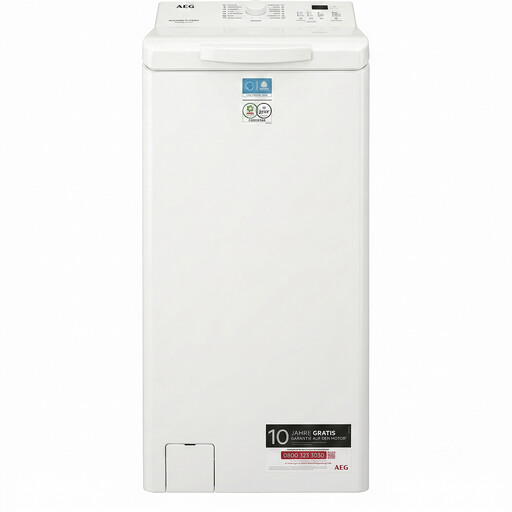
Why This Fits Their Persona: Ideal for small apartments, narrow bathrooms, or kitchenettes. As a top-loader with a width of just 40 cm, this appliance fits into niches where a standard front-loader would be too large. Loading from the top is also more ergonomic.
The ProSense auto-load sensing technology automatically adjusts water, energy, and time requirements to the size of the load. This prevents resource waste with small loads, thereby avoiding the energy efficiency trap.
Compact design as a top-loader and resource-saving ProSense technology. The quiet inverter motor ensures smooth operation.
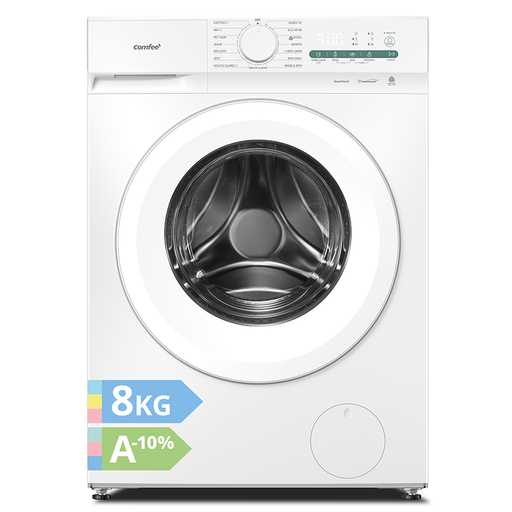
Why This Fits Their Persona: This 8 kg washing machine offers sufficient capacity for a family. The special pet hair programme is a targeted solution for a common problem in households with dogs or cats, reliably removing hair and allergens.
This model avoids the feature trap by offering two highly practical programmes—the pet hair programme and the steam function—instead of advertising a confusing array of rarely used options.
An effective pet hair programme and a hygienic washing machine with a steam function that, according to the manufacturer, eliminates 99.9% of bacteria. The A-10% energy efficiency class ensures low running costs.
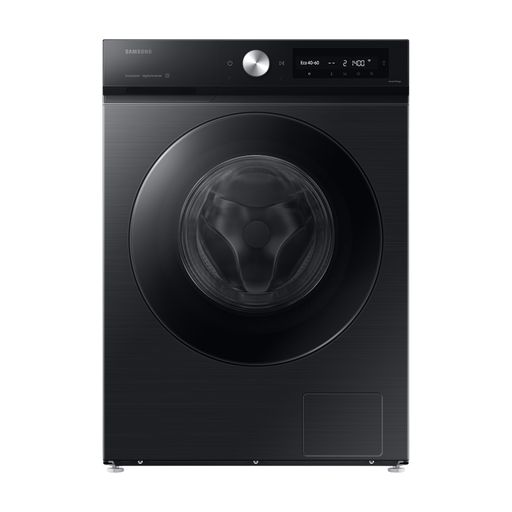
Why This Fits Their Persona: With an 11 kg capacity, this machine effortlessly handles the laundry volume of a large family. Smart features like AI Control and Ecobubble technology offer advanced, efficient cleaning for tech-savvy users who value convenience and optimal results.
Although the machine offers many features, they are designed for efficiency. The AI Energy Mode and automatic load detection actively optimise consumption. This avoids the feature trap, as the technology serves a practical purpose.
Very large 11 kg capacity, energy efficiency class A, and smart washing features like AI Ecobubble. The SuperSpeed programme washes 5 kg of laundry in 39 minutes—a clear advantage in a hectic family life.
We have compiled a complete, up-to-date list of products that fully meet these strict selection criteria and German safety regulations.
Energy efficiency class A on the new EU label (since March 2021) identifies the most economical appliances on the market. However, the key factors for actual costs are the specific values on the label: electricity consumption in kWh per 100 cycles and water consumption in litres per cycle. Compare these figures to find the truly most economical model for your needs.
A washing machine with a steam function can be worthwhile for many households. The steam treatment can loosen stubborn stains before the wash cycle, refresh clothes, and reduce wrinkles, which lessens the need for ironing. Furthermore, according to manufacturers, steam can help remove bacteria and allergens, which is particularly beneficial for allergy sufferers and families with small children. Such an appliance offers not only cleanliness but also greater convenience and hygiene.