
Lieferung heute & morgen

Qualitätsgarantie

Willkommens-Angebote freischalten: KOSTENLOSE Lieferung | Bis zu 80 % RABATT | Kostenlose 30-Tage-JoyPlus-Testphase
App herunterladen
A new fridge-freezer is an investment that will shape your daily kitchen routine for years to come. The market offers an overwhelming variety of models, but not every advertised feature truly adds value. Often, well-intentioned but uninformed decisions lead to appliances that are impractical in daily use or cause unexpectedly high costs. Before you make a decision, it's crucial to know the most common pitfalls.
Common purchasing pitfalls and how to avoid them:
To make an informed decision, you should focus on the essential technical features that directly impact daily use and long-term costs.
Choosing the right size and design is crucial. As a rule of thumb for usable capacity:
The most common designs are:
Since 2021, the new EU energy label with classes from A (very efficient) to G (less efficient) has been in effect. An Energy Efficiency Class E now represents a solid standard in the mid-price segment, offering a balanced ratio of purchase cost to ongoing consumption.
Also, pay attention to the noise emission in decibels (dB). Especially in open-plan kitchens, a quiet appliance operating below 40 dB is a significant comfort gain. Models with an inverter compressor often have an advantage here, as they adjust their power according to demand, making them not only quieter but also more energy-efficient.
No Frost technology is an indispensable standard today. It prevents the formation of ice and frost in the freezer compartment through constant air circulation. This saves you the tedious task of manual defrosting and ensures the appliance operates efficiently over the long term, as layers of ice increase energy consumption. Complementary systems like "Multi-Airflow" distribute cold air evenly throughout the interior, keeping food fresh for longer.
Here are some recommendations tailored to different needs and household sizes.
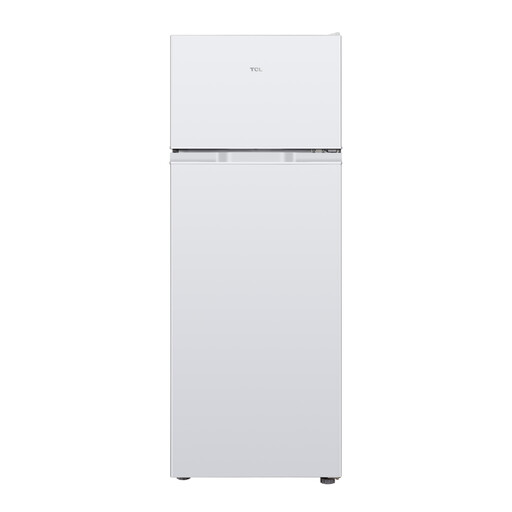
Why it's a great fit: With its compact 55 cm width and 207 litres of usable capacity, this appliance is ideal for singles, couples, or small kitchens. It focuses on core functions while still offering flexibility with adjustable shelves.
This model forgoes expensive smart functions and focuses on efficient cooling. The interior is flexible thanks to adjustable shelves, allowing the stated capacity to be used optimally.
The "Power Cool & Freeze" function ensures rapid cooling after stocking up on groceries. The LED lighting is energy-efficient and durable.
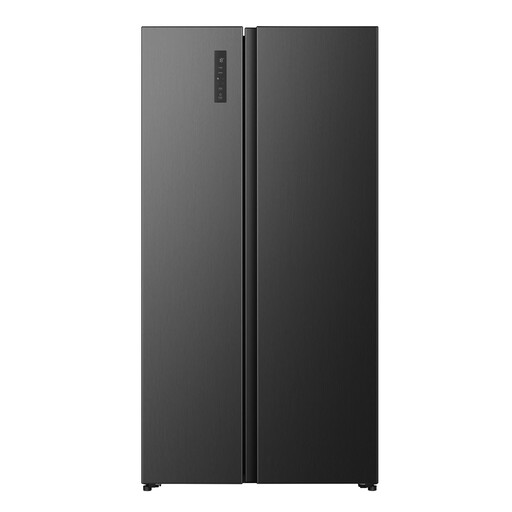
Why it's a great fit: With 544 litres of total capacity, this Side-by-Side refrigerator offers enormous space for a large family's weekly shop. Its elegant design in black and clear layout make it a functional centrepiece.
The large capacity is genuinely usable thanks to the Multi-Air-Flow system and a well-thought-out interior. The inverter compressor and Energy Efficiency Class E keep running costs reasonable for an appliance of this size.
The Total No Frost technology completely eliminates the need for defrosting. The electronic control with an LED display allows for precise and easy temperature adjustment.
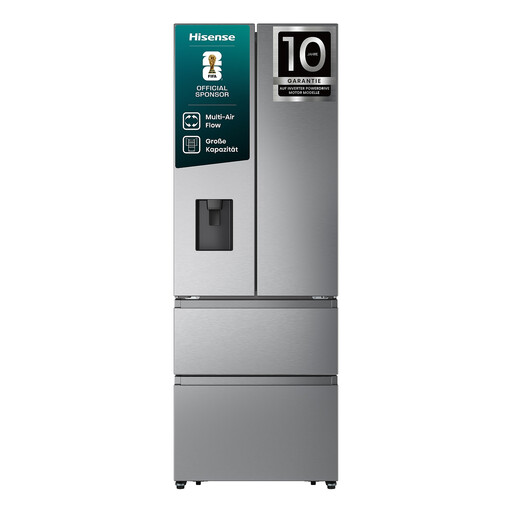
Why it's a great fit: This French Door model with a stainless steel finish combines a large volume (485 litres) with practical convenience features like an integrated water dispenser that doesn't require plumbing.
The convenience features, like the water dispenser, are practical and suitable for everyday use without unnecessary complexity. The inverter compressor ensures quiet (38 dB) and efficient operation, keeping running costs low despite its size.
The NoFrost Plus technology and special freshness zones (CrispZone with humidity control) help keep food fresh for longer and reduce waste.
We have compiled a complete, up-to-date list of products that fully meet these strict selection criteria and UK safety regulations.
The average lifespan of a modern fridge-freezer is about 10 to 15 years. The actual durability depends on the brand's quality, frequency of use, and regular maintenance. Models with inverter compressors may tend to have a longer lifespan as the motor is subject to less wear and tear.
The climate class indicates the ambient temperature range in which the appliance will function optimally. The most common classes are:
For adequate air circulation and to prevent overheating, it is recommended to leave a gap of about 5 to 10 cm at the sides and back of the appliance from walls or furniture. This ensures that the heat from the compressor can dissipate and the appliance operates energy-efficiently. You can find the exact specifications in the manufacturer's user manual.