
Lieferung heute & morgen

Qualitätsgarantie

Willkommens-Angebote freischalten: KOSTENLOSE Lieferung | Bis zu 80 % RABATT | Kostenlose 30-Tage-JoyPlus-Testphase
App herunterladen
An energy drink 24-pack or a multipack of sports drinks can be practical: you have drinks ready for training, the office, studying, gaming or longer journeys, while the price per unit is often lower. Even so, it is worth taking a closer look at the contents, pack size and intended use. Large quantities of cans, attention-grabbing flavours or terms such as “hydration” alone do not indicate whether a product suits your everyday routine.
On many cans, the caffeine content is initially stated per 100 ml. With a 500-ml can, this value adds up accordingly. For example, a drink containing 32 mg of caffeine per 100 ml contains 160 mg per 500 ml. If you drink several cans a day, you should therefore consider the total amount. Energy drinks are not recommended for children, pregnant women or breastfeeding women. People who are sensitive to caffeine should also check the information on the packaging.
An isotonic drink typically contains water, carbohydrates and electrolytes. However, the sugar, salt and calorie content can vary considerably depending on the recipe. For many users, a low-calorie or sugar-free drink is sufficient for short, relaxed sessions. During longer periods of exertion, carbohydrates may play a different role. A blanket recommendation for every type of sport is therefore not appropriate.
A 24-pack may look attractive at first glance, but it only makes sense if you regularly use that flavour and serving size. You should also check the total volume, best-before date, storage conditions and deposit. 24 cans of 250 ml each amount to 6 litres, while 24 cans of 500 ml already total 12 litres. This has a significant impact on storage space, transport weight and costs.
For energy drinks, you should compare at least three values side by side:
A classic energy drink such as Red Bull or Monster Energy may contain sugar, depending on the variant. A sugar-free energy drink or an energy drink without sugar, on the other hand, uses sweeteners and generally has a significantly lower energy content. This does not automatically make it more suitable for every purpose. Taste, caffeine content and your personal consumption habits remain the deciding factors.
Check whether sodium, potassium, magnesium or other minerals are expressly listed. An electrolyte drink may be of interest to users who prefer a drink with specified minerals during longer or more strenuous, sweat-inducing sessions. With an isotonic drink, you should also check the nutrition table, as the term does not mean that all recipes contain the same ingredients in the same proportions.
Brands such as Gatorade, Powerade and ESN Hydro Charge offer different variants: with sugar, without sugar, in different flavours or in different bottle sizes. When checking for allergens, you should also review the ingredients list. Powerade Sports Wild Cherry, for example, indicates that it is a source of phenylalanine.
For a desk or office, 250-ml cans may be easier to portion. 500-ml bottles or cans are more suitable for longer stays at the gym, travelling or team sports events. A multipack with 12 units is easier to store than a large box containing 24 bottles, while an energy drink 24-pack may work out better for regular users.
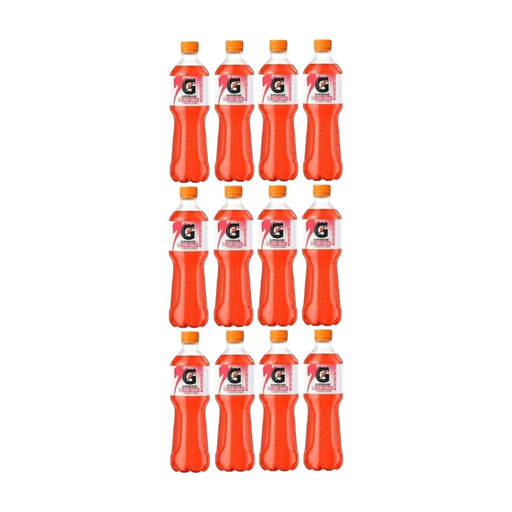
Why this product suits this profile: The 12-pack of 500-ml bottles offers a manageable quantity for fitness, everyday use and occasional training sessions. According to the product information, this variant contains no sugar and provides 1 kcal per 100 ml.
The nutritional information makes the difference between a sugary recipe and the zero-sugar variant immediately clear. This means the choice is not based solely on flavour or packaging design.
12 bottles of 500 ml each; 0 g sugar and specified sodium per 100 ml according to the product data.
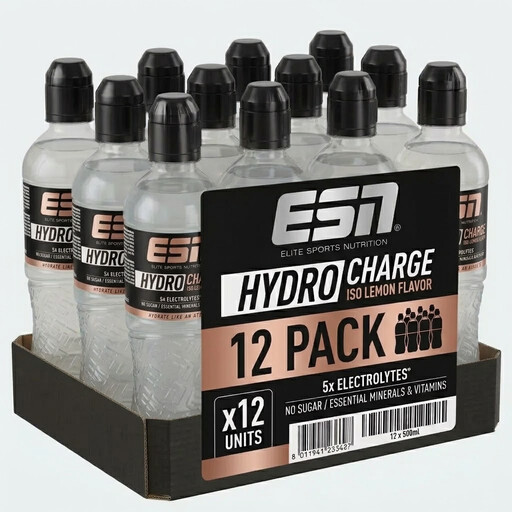
Why this product suits this profile: The recipe lists several electrolytes, including sodium, potassium, calcium and magnesium, as well as B vitamins. According to the product information, each 500-ml bottle contains 15 kcal and 0 g sugar.
The specific ingredients and nutrition list prevents general claims about “hydration” from being confused with an unspecified recipe.
Sugar-free recipe; several specified minerals; ready-to-drink 500-ml bottles.
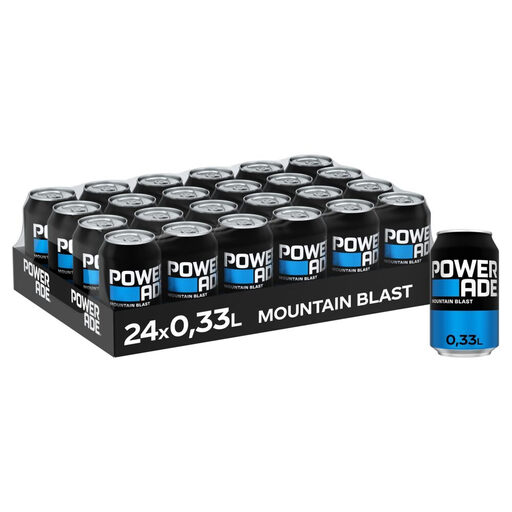
Why this product suits this profile: The 24-pack with 330-ml cans is suitable for regular use, club changing rooms, offices or shared refreshments at events.
The smaller individual serving reduces the risk of unintentionally consuming a large 500-ml can in full. At the same time, the total quantity and sugar values are clearly stated.
24 units of 330 ml each; isotonic recipe; 18 kcal and 4.1 g sugar per 100 ml according to the product information.
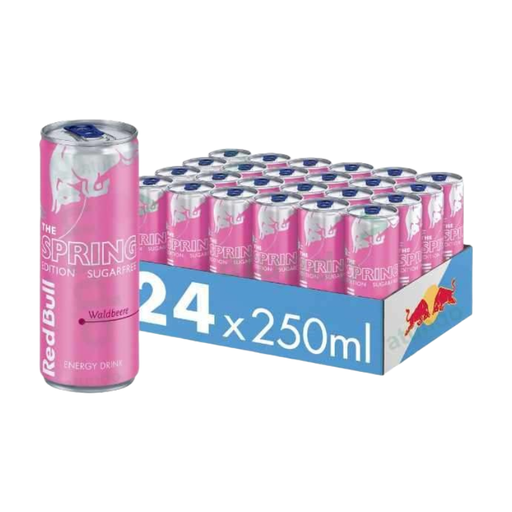
Why this product suits this profile: The 250-ml cans are portion-sized, while the sugar-free recipe is ideal for users who prefer a fruity energy drink without sugar.
The serving size makes it easier to manage your intake. At the same time, the caffeine content of 32 mg per 100 ml remains a measurable value rather than an unclear marketing claim.
24 cans of 250 ml each; 0 g sugar and 2 kcal per 100 ml according to the product data.
We have put together a complete, regularly updated list of products that fully meet these strict selection criteria and the safety regulations applicable in the EU.
The best-before date is printed on the can or bottle. Unopened products should be stored in a cool, dry place away from direct sunlight, as stated on the packaging. Once opened, bottles should be kept in the fridge and consumed within the timeframe specified on the product.
That depends on the price per litre, delivery costs, deposit and your personal consumption. Divide the total price by the number of litres and also compare the individual serving. A multipack can be practical if you consume the drinks regularly; for occasional use, a smaller pack is often the lower-risk option.
The two product categories serve different purposes. Energy drinks contain caffeine and often taurine and B vitamins. An electrolyte or isotonic drink, on the other hand, focuses on the specified minerals and, where applicable, carbohydrates. To make the right choice, consider the duration and intensity of your training, flavour, caffeine requirements and nutritional values together.