
Lieferung heute & morgen

Qualitätsgarantie

Willkommens-Angebote freischalten: KOSTENLOSE Lieferung | Bis zu 80 % RABATT | Kostenlose 30-Tage-JoyPlus-Testphase
App herunterladen
Choosing an engagement ring is a momentous decision. It's about finding a piece of jewellery that is not only aesthetically pleasing but also symbolises a couple's shared history and future promises. However, with a vast array of designs, materials, and diamond types, the search can become complex.
As your Joybuy Product Recommendation Officer, my role is to provide you with clear and objective information. This guide is designed to help you understand the features of different rings and make an informed decision based on objective criteria.
To make the right choice, it's helpful to familiarise yourself with the fundamental characteristics of engagement rings. Here are three key aspects that can influence your decision.
The ring's metal forms the foundation for its appearance and longevity. Each material has specific properties:
The centrepiece of many engagement rings is the diamond. Today, there are two main categories:
Regardless of its origin, an engagement ring with a certificate from an independent gemological institute like the IGI (International Gemological Institute) is crucial. The certificate documents the diamond's quality based on the 4 Cs (Carat, Cut, Colour, Clarity) and ensures the transparency of your purchase.
The ring's design defines its overall aesthetic. While the classic solitaire ring with a single diamond is timeless, other styles are enjoying immense popularity:
A 1-carat diamond ring is a highly sought-after size, but the stone's impact heavily depends on the cut and the ring's design.
Based on design, material quality, and the criteria mentioned, we have curated a selection of rings that cater to different preferences.
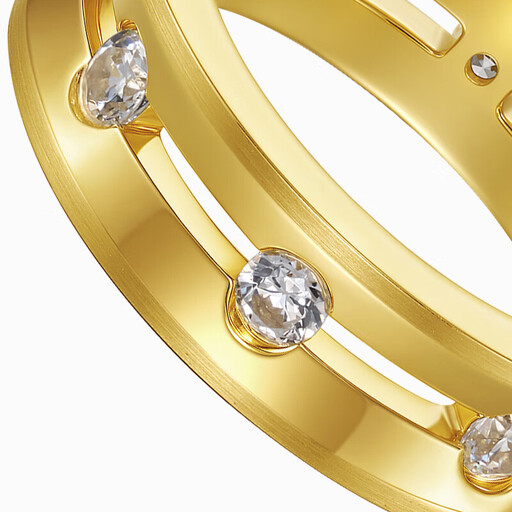
Why It Stands Out: This ring from ALAIN MICHAL combines Parisian design heritage with modern technology. The PT 950 platinum setting holds two lab-grown diamonds with a total weight of 2.03 carats. The quality is underscored by a D-E colour grade and VVS-VS clarity.
Advantages:
Who Is It For? For couples seeking an opulent and luxurious piece of jewellery that impresses with verifiable quality and an ethical diamond origin.
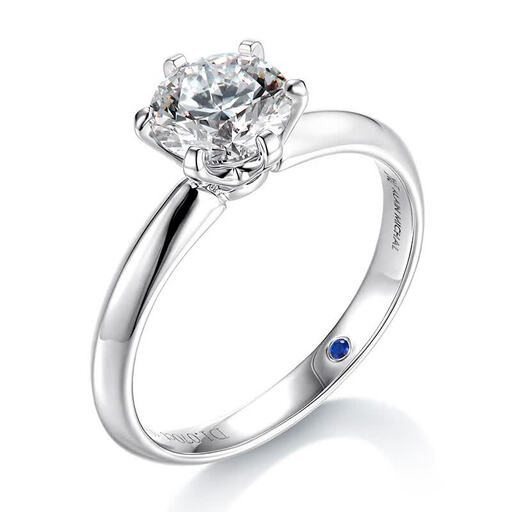
Why It Stands Out: This model is distinguished by its delicate design. A central 1-carat lab-grown diamond with a D/VVS grade is surrounded by a double halo. A special feature is the clawless setting, which makes the diamonds appear to float. A blue sapphire, discreetly hidden within the band, serves as a symbol of protection and good fortune.
Advantages:
Who Is It For? For couples who prefer a modern, elegant design with symbolic depth and value a balance between aesthetics and price.
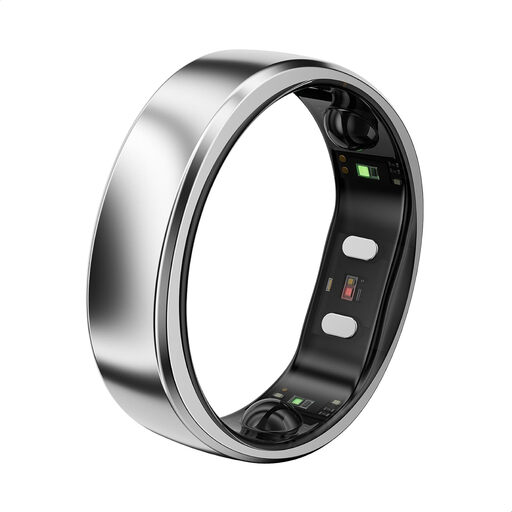
Why It Stands Out: For couples who deliberately choose an unconventional path, the RingConn Gen 2 Air presents a technological alternative to traditional jewellery. This ultra-thin smart ring focuses on function, connecting the couple through shared health and fitness goals.
Advantages:
Who Is It For? For tech-savvy couples who prefer a functional gadget over a traditional piece of jewellery as a symbol of their union, or who are looking for a modern complement.
While diamonds are the classic choice for an engagement ring, coloured gemstones like rubies can also symbolise deep affection and passion. If you are looking for an unconventional ring with a pop of colour, another collection might be of interest.
Discover our collection of red rings
1. What is the difference between a lab-grown diamond and a natural diamond? A lab-grown diamond is chemically, physically, and optically identical to a natural diamond. The only difference is their origin. Lab-grown diamonds are created in a controlled environment, whereas natural diamonds are formed deep within the Earth and are mined. Choosing a lab-grown diamond ring is often considered a more sustainable option.
2. Why is a certificate important for an engagement ring? An engagement ring with a certificate provides an independent and objective assessment of the diamond's quality from a recognised gemological lab (e.g., IGI, GIA). The certificate confirms the stone's characteristics (the 4 Cs: Carat, Cut, Colour, Clarity) and ensures transparency and value. It serves as official proof of the specifications you are purchasing.
3. How much should an engagement ring cost? There is no fixed rule for the price of an engagement ring. Outdated guidelines, such as the equivalent of several months' salary, no longer apply today. The decision should be based on the couple's personal budget and shared priorities. More important than the price is choosing a ring that symbolises the relationship and is loved by both partners.