
Lieferung heute & morgen

Qualitätsgarantie

Willkommens-Angebote freischalten: KOSTENLOSE Lieferung | Bis zu 80 % RABATT | Kostenlose 30-Tage-JoyPlus-Testphase
App herunterladen
Enlarged pores, blackheads and uneven skin texture can have different causes. That means not every pore mask is right for every skin type. If you focus only on terms such as “Deep Cleansing”, “Pore Refining” or “Charcoal”, you could end up buying a product that makes your skin look very clean in the short term but leaves it unnecessarily dry or irritated.
A face mask can absorb excess oil, smooth the skin’s surface or temporarily plump up dry skin. However, it won’t permanently change the size of your pores. Claims such as “closes pores completely” or “makes them permanently invisible” should therefore be treated with caution.
Blackhead nose strips and peel-off products can remove surface build-up and dead skin cells. However, peeling them off can be uncomfortable if you use them frequently or have sensitive skin. A very strong charcoal mask that strips away too much oil can also leave your skin feeling tight.
Activated charcoal, clay and salicylic acid are often heavily promoted. But it’s the overall formula that matters. Alcohol, fragrances, essential oils or adhesives may be more problematic for some people than the featured ingredient. That’s why the complete INCI list on the packaging remains the most important source of information.
For oily or blackhead-prone skin, look for products that absorb oil and surface impurities. Options include a clay mask, a charcoal mask or targeted nose strips. Kaolin and bentonite are common ingredients. They can absorb oil, but you shouldn’t leave them on your skin until the mask is completely cracked and dry.
For dry skin with uneven texture, a hydrating sheet mask may be a better fit. Hydration can temporarily make the skin’s surface look smoother. According to the product information, the Keana-Nadeshiko Rice range includes ingredients such as rice ferment filtrate, rice bran oil and rice ceramides. The mask is intended for use after cleansing and should be left on the skin for five to ten minutes.
Before you buy, check for:
If you’re using a product with salicylic acid or AHA, it’s best to start cautiously. A patch test on a small area of skin can help you assess how well you tolerate it. Stop using the product if you experience burning, persistent redness, swelling or itching.
A jar is handy for regular use, but you’ll need clean hands or a spatula. Sachets are hygienic and suitable for travel. Sheet masks are quick to use, while a three-step pore-care routine or a peel-off strip takes more time and requires careful preparation.
The amount you get also matters: a 140 ml jar may provide several applications, depending on how much you use, while individual nose strips are designed for one use only. This makes it easier to compare the actual cost per application.
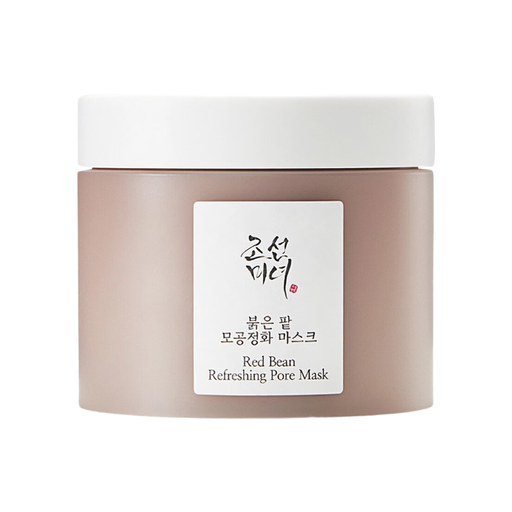
Why this product suits this profile: This rinse-off Korean clay mask is designed for a straightforward routine after cleansing. According to the product information, apply it for five to ten minutes, then rinse off with lukewarm water.
The formula isn’t described using just a marketing term: the product information lists kaolin, red bean extract and red bean powder. The short application time helps prevent unnecessary dryness.
140 ml jar, rinse-off formula and kaolin to absorb excess oil.
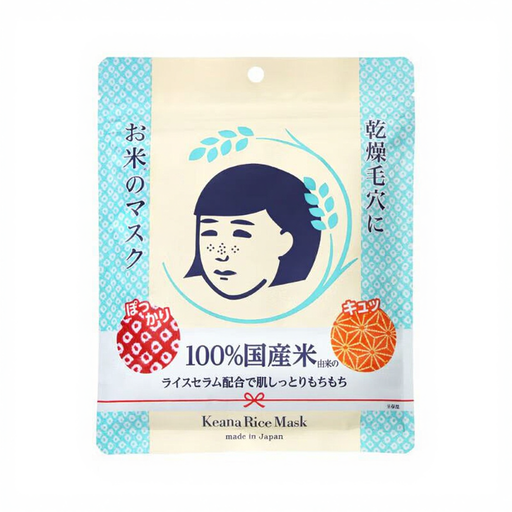
Why this product suits this profile: According to its description, this Japanese sheet mask is designed for dry skin with uneven texture, where pores may look more noticeable due to dehydration.
Rather than relying on an aggressive peel-off effect, it uses a serum-soaked sheet and a short application time of five to ten minutes. Check the INCI list against the packaging before you buy.
10 sheet masks per pack, plus rice derivatives such as rice ferment filtrate, rice bran oil and rice ceramides, according to the product information.
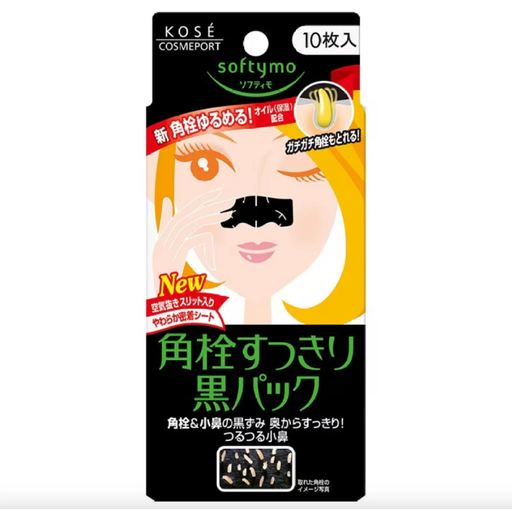
Why this product suits this profile: These strips are designed for targeted use on the nose to tackle visible blackheads. According to the product information, use them once or twice a week.
Leaving at least three days between applications helps prevent overuse. These strips aren’t suitable for sensitive or irritated skin, or if you’re intolerant to adhesives.
10 individual strips, targeted use on the nose and activated charcoal, according to the product description.
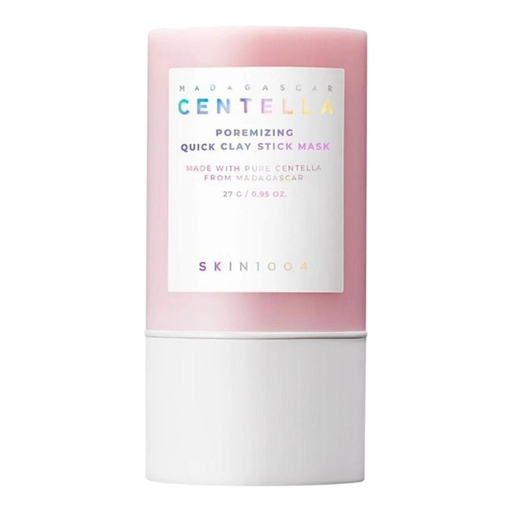
Why this product suits this profile: The stick format lets you apply the mask precisely to your nose, forehead or chin, without covering your whole face in clay.
Targeted application makes it easier to control how much you use. The product information lists kaolin and bentonite, but you should still follow the application time and check that your skin tolerates the formula.
27 g stick, targeted application and clay ingredients to absorb excess oil.
We’ve put together a complete, regularly updated list of products that meet these strict selection criteria and the safety regulations in force in the EU.
It depends on the product and your skin type. Clay or charcoal masks are often used once or twice a week. Use nose strips as directed on the packaging; some products require a gap of several days between applications. Dry or sensitive skin often needs longer breaks.
A mask can temporarily reduce surface oil and certain build-ups. It doesn’t replace regular, gentle cleansing or permanently change your natural pore structure. If you have deep-seated or recurring skin concerns, it may be worth speaking to a dermatologist.
No. The origin and style of Korean or Japanese skincare alone don’t tell you whether a product will suit your skin. Check the INCI list, look out for fragrances and alcohol, and test new products on a small area of skin first.