
Lieferung heute & morgen

Qualitätsgarantie

Willkommens-Angebote freischalten: KOSTENLOSE Lieferung | Bis zu 80 % RABATT | Kostenlose 30-Tage-JoyPlus-Testphase
App herunterladen
An enzymatic facial cleanser combines the daily removal of dirt, make-up and excess sebum with a gentle exfoliating effect. Unlike a traditional scrub with coarse particles, these products may contain enzymes such as papain, bromelain or proteases. They can help loosen components of dead skin cells on the skin’s surface.
However, choosing the right product is not always straightforward. Terms such as “brightening”, “deep pore cleansing” or “clarifying” often describe the intended use, but on their own reveal little about the actual formulation or skin compatibility.
An enzymatic cleansing foam may feel soft and pleasant, yet enzymes, fragrances, fruit extracts or acids can trigger reactions in sensitive skin. You should therefore check the complete INCI list and pay attention to the manufacturer’s guidance. Enzymatic products should not be used on irritated, damaged or inflamed skin.
Using a product frequently or massaging it in for a long time does not automatically enhance the desired effect. In particular, a facial cleansing enzyme powder is activated with water and should only be spread gently. Excessive use can put strain on the skin barrier and contribute to tightness or redness.
“Deep pore facial cleansing” and “facial cleansing for blemished skin” are not uniformly defined technical categories. Information about texture, ingredients, frequency of use, fill quantity and warnings is more meaningful. For products containing vitamin C or exfoliating ingredients, using sun protection during the day is also advisable.
Papain typically comes from papaya, while bromelain comes from pineapple. Other enzymes may be listed as protease, lipase or simply as an enzyme complex. A facial cleanser with vitamin C combines enzymatic cleansing with ascorbic acid or a vitamin C derivative. This is formulation information, but it is not evidence of a medical effect.
You should also look for ingredients such as glycerine, ceramides, allantoin or panthenol if you prefer cleansing that feels as comfortable as possible. Fragrances and fruit extracts may be less suitable for some people.
Follow the frequency recommended by the manufacturer. Some cleansing powders are designed for daily use, while for sensitive skin, using them two or three times a week may be more appropriate. Before using the product fully for the first time, a patch test on a small area of skin is recommended. Avoid contact with the eyes.
The following products mainly differ in texture, fill quantity, enzymes and intended use. The information is based on the respective product details and is not a substitute for individual dermatological advice.
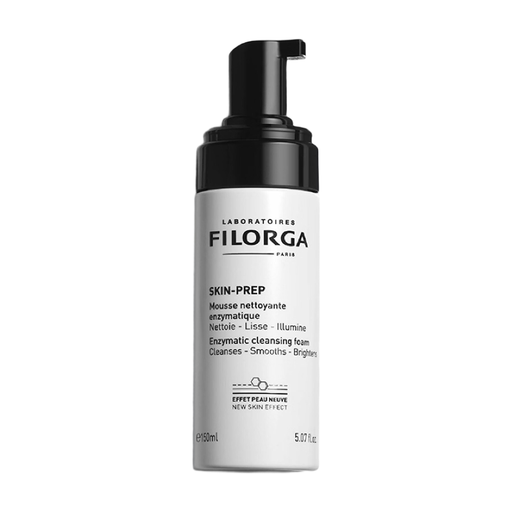
Why this product suits this profile: The ready-to-use cleansing foam requires no additional preparation and, according to the product details, is applied to damp skin. The set contains two bottles of 150 ml each.
The clear foam texture reduces dosing and mixing errors that can occur with cleansing powders. The product description refers to gentle enzymes and use without mechanical scrubbing.
Ready-to-use foam, 2 x 150 ml and, according to the product details, suitable for all skin types.
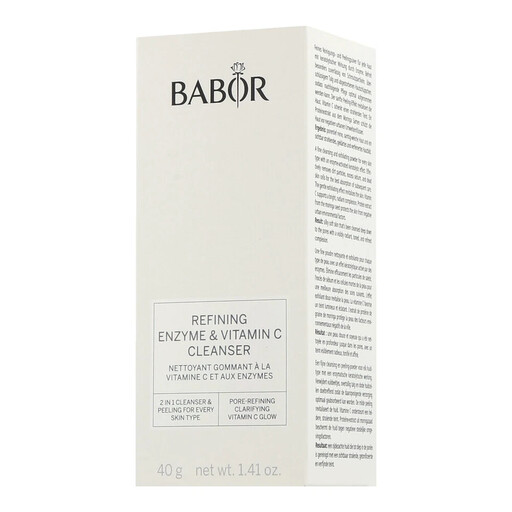
Why this product suits this profile: The 2-in-1 cleansing powder is mixed with warm water to create a light foam. Its listed ingredients include papain, lipase, protease, kaolin and ascorbic acid.
The clearly stated INCI list allows you to check the ingredients in detail. The recommended amount of approximately a hazelnut-sized portion and the suggested contact time are specified.
40 g powder, enzymatic ingredients and vitamin C; according to the product details, use can be adjusted to two or three times a week for sensitive skin.
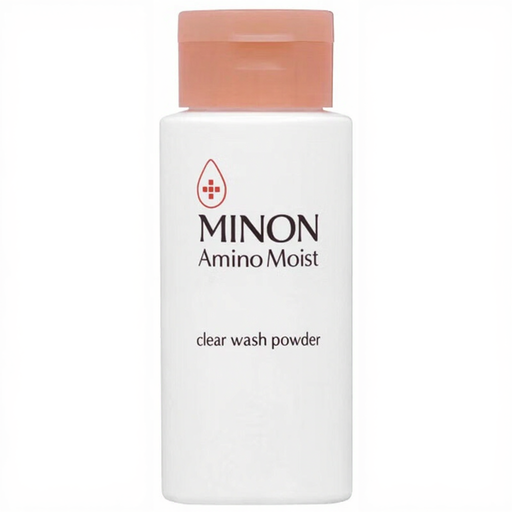
Why this product suits this profile: The cleansing powder is designed for regular use and turns into an airy foam when mixed with water. According to the product description, the formula is based on enzymes and plant-based amino acid surfactants.
The powder texture contains no coarse exfoliating particles. It is important to store the product dry and create the foam fully before applying it.
Amino acid-based cleansing components, enzymes and a gentle formulation for regular facial cleansing, according to the product details.
We have put together a complete, regularly updated list of products that fully meet these strict selection criteria and the safety regulations applicable in the EU.
A facial cleansing powder should not be left directly in a wet shower. Moisture can alter its consistency and encourage clumping. With a gel or foam, pay attention to the closure and the shelf life after opening.
This depends on the formulation and how well your skin tolerates it. According to the product details, some cleansing foams are designed for daily use. With an enzyme powder, using it two or three times a week may be a cautious starting point, particularly if you have sensitive or dry skin. If redness, burning or persistent tightness occurs, stop using the product.
Some products are marketed for all skin types or sensitive skin. However, this is no guarantee of individual compatibility. Check the INCI list, avoid applying the product to irritated areas and carry out a patch test beforehand. If problems recur, seeking advice from a dermatologist may be advisable.
The specific best-before date and batch number are shown on the packaging. After opening, a symbol such as “12M” may also be displayed. Powder products should be stored in a dry place and kept tightly closed. If the smell, colour or texture changes, stop using the product.