
Lieferung heute & morgen

Qualitätsgarantie

Willkommens-Angebote freischalten: KOSTENLOSE Lieferung | Bis zu 80 % RABATT | Kostenlose 30-Tage-JoyPlus-Testphase
App herunterladen
An enzyme cleanser for the face can be a practical alternative to harsh, abrasive exfoliators. Rather than working on the skin’s surface with coarse particles, many formulas use enzymes such as papain or bromelain. However, not every product is suitable for every skincare routine.
Three common purchasing pitfalls particularly often lead to the wrong choice:
By checking these points, you can choose an enzyme facial exfoliator more specifically for your skin and the level of care you want to invest.
An enzyme cleanser combines a cleansing base with enzymatic ingredients. These often come from fruits such as papaya or pineapple. When mixed with water, the product becomes a foam or creamy cleanser, depending on its texture.
An enzyme powder for facial cleansing is measured out dry and only activated with water in your hand. This makes it easy to adjust the amount. A gel or foam, by contrast, is ready to use. A serum or cream containing enzymes stays on the skin for longer and therefore should not be equated with a classic daily cleanser.
Important: The term “enzyme cleansing” initially describes a type of product, not a specific effect on the skin. Claims such as “pore-refining cleansing” or “radiant skin” should be understood as cosmetic product descriptions and do not replace dermatological advice.
Look out for these INCI names:
A facial cleanser with enzymes can therefore work enzymatically, chemically and mechanically at the same time. For sensitive skin, a straightforward formula and low frequency of use are advisable. New products should first be tested on a small area of skin.
Powders, foams and gels are suitable for a simple morning or evening routine. A product with a short contact time is easier to incorporate into an existing facial cleansing routine.
An enzyme serum, on the other hand, is usually applied to dry, cleansed skin and left on overnight. According to the manufacturer’s information for the Freshly Cosmetics product, the Blue Radiance Enzymatic Serum contains mandelic and lactic acid as well as fruit extracts, among other ingredients. It is designed to be used two to three evenings per week. This is a different category from a washable gentle facial exfoliator.
When choosing a facial cleanser for sensitive skin, do not rely solely on the “mild” label. Also check:
When using products with acids or exfoliating enzymes, suitable sun protection during the day is advisable. Stop using the product if persistent redness, burning or itching occurs.
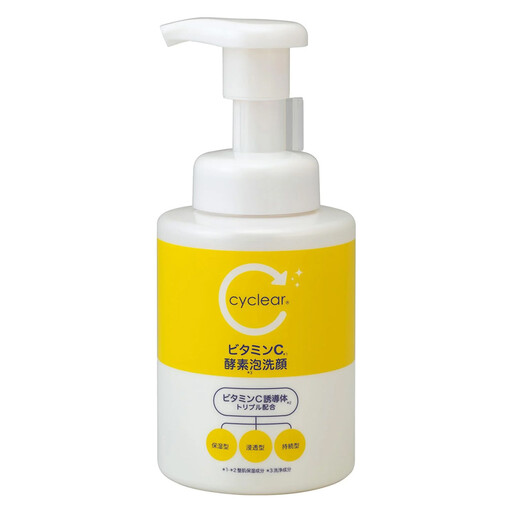
Why this product suits this profile: The ready-to-use foam texture is easy to incorporate into a daily cleansing routine. According to the manufacturer’s information, the formula contains vitamin C and enzymes.
The product description specifies a short application on damp skin followed by rinsing. This removes the need to measure out a dry powder.
Foam texture; vitamin C and enzymes according to the manufacturer’s information; the face and neck can be included according to the usage instructions.
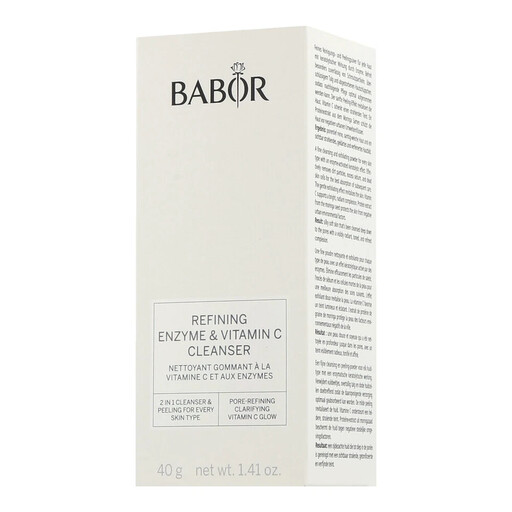
Why this product suits this profile: According to the manufacturer’s information, this 2-in-1 cleansing powder combines cleansing and exfoliation in a finely milled texture.
The INCI list includes papain, lipase and protease. It also clearly states that kaolin and cellulose are used as additional ingredients.
40 g powder; according to the manufacturer’s information, designed for daily use, with reduced frequency recommended for sensitive skin.
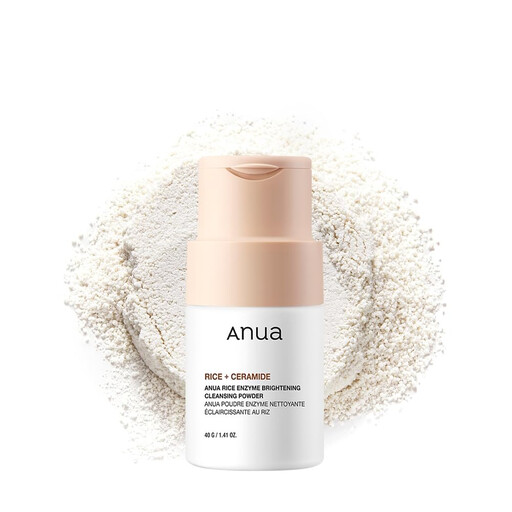
Why this product suits this profile: The powder-to-foam format allows flexible dosing and, according to the manufacturer’s information, is designed to be used two to three times per week.
The recommended frequency helps prevent an exfoliating product from automatically being used too often. The packaging should be kept dry and closed.
Rice powder, ceramides, allantoin and glycerine according to the manufacturer’s information; can be used as a cleanser or briefly as a mask.
For sensitive skin, it is initially advisable to use the product once or twice a week. The manufacturer’s instructions take precedence, particularly for serums and leave-on products.
We have compiled a complete, regularly updated list of products that fully meet these strict selection criteria and the safety regulations applicable in the EU.
That depends on the complete formula. Enzymes alone reveal little about skin tolerance. Acids, fragrances, alcohol or additional polishing particles may place greater strain on the skin. Check the INCI list and start with a low frequency of use.
Depending on the formula, washable products may be recommended for daily use or several times a week. A serum containing acids or enzymes may have a considerably longer contact time and is often used less frequently. The instructions on the packaging and your skin’s own response are the deciding factors.
The shelf life is stated on the packaging or indicated by the period-after-opening symbol. Powders should be stored in a cool, dry place and kept tightly closed. If the smell, colour, consistency or feel on the skin changes noticeably, stop using the product.