
Lieferung heute & morgen

Qualitätsgarantie

Willkommens-Angebote freischalten: KOSTENLOSE Lieferung | Bis zu 80 % RABATT | Kostenlose 30-Tage-JoyPlus-Testphase
App herunterladen
A radiant complexion and smooth skin texture are at the top of many skincare wish lists. In the search for effective solutions, enzyme powder cleansers are increasingly taking centre stage. Inspired by Japanese facial cleansing, this cleansing powder with enzymes offers an alternative to mechanical or chemical exfoliants. However, the market can be confusing, and not every product delivers on its promises.
As your Joybuy Product Recommendation Officer, I'm here to help you separate the wheat from the chaff. In this guide, I'll show you the most common pitfalls to avoid when shopping and the key features to look for to find the right facial exfoliating powder for your needs.
Many users invest in an enzyme powder hoping for deeply cleansed pores, only to be disappointed after a few weeks. This is often due to two common problems that are rarely mentioned in product descriptions.
To avoid a bad buy, don't be swayed by marketing promises. Instead, check two core technical parameters. These determine whether an enzyme powder will truly improve your face and skin.
The effectiveness of an enzyme exfoliant depends directly on the enzymes it contains. These proteins act as biological catalysts, performing specific tasks on the skin's surface.
A look at the ingredient list will reveal which enzymes are included and whether the product matches your skin goal (e.g., smoothing or pore clarification).
The base formula in which the enzymes are embedded is just as important as the enzymes themselves. Pay attention to the type of surfactants (cleansing agents) used.
Based on these objective criteria, we have matched some products from our range to different needs and skin types.
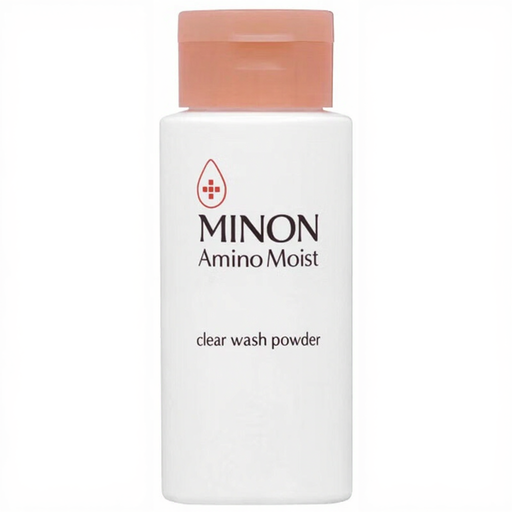
Why This Fits Their Persona: Ideal for those using an enzyme exfoliant for the first time or who have very reactive skin. The formula is specifically tailored to the needs of sensitive skin.
This product avoids the pitfall of an unsuitable cleansing base by relying on plant-based amino acid surfactants. It cleanses without drying out or irritating the skin.
The mild formula allows for the gentle removal of excess keratin and optimally prepares the skin for subsequent skincare steps without stripping moisture.
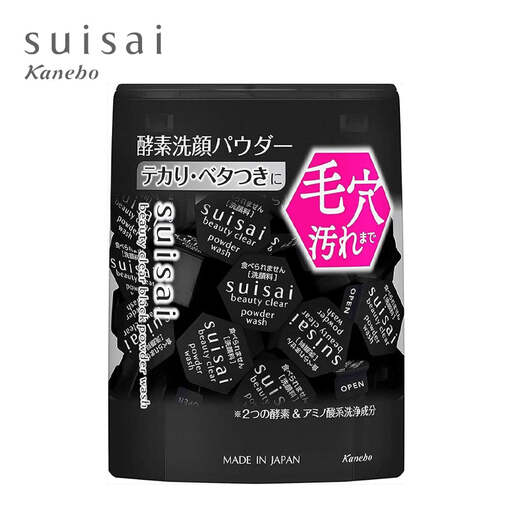
Why This Fits Their Persona: Designed for individuals with oily skin, enlarged pores, and recurring blackheads who are looking for a powerful yet enzyme-based cleansing solution.
This powder solves the problem of vague "deep cleansing" promises by using a complex of activated charcoal and Moroccan lava clay. These ingredients specifically absorb excess sebum and impurities from the pores.
The combination of enzymes (Protease, Lipase) and sebum-absorbing minerals provides a dual action: keratin buildup is dissolved and pores are cleared of sebum. The single-serving pods guarantee hygiene and efficacy.
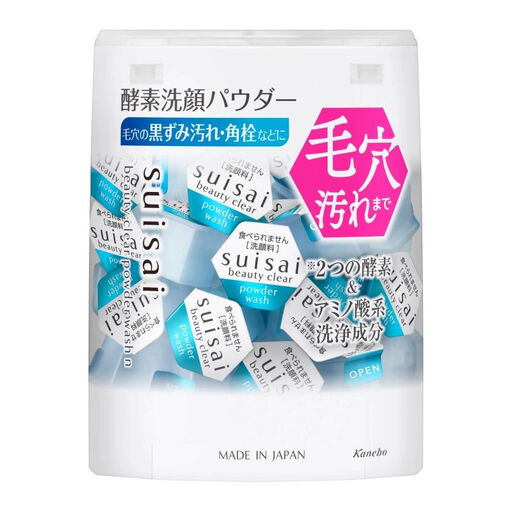
Why This Fits Their Persona: Perfect for frequent travelers who need a space-saving and leak-proof cleansing solution, as well as for fans of classic Japanese skincare looking for a tried-and-true product.
The packaging in individual capsules is a key advantage. It protects the delicate enzymes from moisture and air, preserving their activity until use and thus ensuring their effectiveness.
Contains both Protease and Lipase for a comprehensive action against dull skin and impurities. The pre-dosed capsules are practical, hygienic, and ideal for carry-on luggage.
We have compiled a complete, real-time updated list of products that fully meet these strict selection criteria and current regulations.
1. How often should you use an enzyme powder cleanser? The frequency of use depends on the product's formulation and your skin type. Very mild, amino acid-based powders can be used daily. For stronger formulations or sensitive skin, using it 2-3 times a week is recommended. Observe how your skin reacts and adjust the frequency accordingly.
2. Is an enzyme powder suitable for sensitive skin? Yes, many enzyme powder cleansers are a great choice for sensitive skin because they work without abrasive particles or high concentrations of acids. The key is to choose a product with a mild cleansing base (amino acid-based) and without irritating additives. Start with a lower frequency of use to test for tolerance.
3. What is the difference between an enzyme exfoliant and a chemical exfoliant (AHA/BHA)? Enzyme exfoliants work on the skin's surface, primarily dissolving the bonds between already dead skin cells. They are considered very gentle. Chemical exfoliants like AHA (e.g., glycolic acid) and BHA (salicylic acid) penetrate deeper into the skin and pores. AHAs are water-soluble and work on the surface, while oil-soluble BHA can penetrate into the pores to dissolve sebum and buildup. Enzyme exfoliants are often a good entry-level option or an alternative for skin that is sensitive to acids.