Who this desktop is for

Developers who use their own screen reader

You want to build the portal yourself and need a computer where your familiar screen reader works well with the operating system and editor. NV Access describes NVDA as a screen reader for Windows, while Apple documents VoiceOver as the built-in screen-reading feature in macOS.

Portal testers

You test bookings, forms and navigation using a keyboard and screen reader too. MDN explains that keyboard accessibility is essential for people who can’t use a mouse, and the W3C points out that no single tool can provide a definitive assessment of a website’s accessibility.

Developers short on space

You want to keep using your existing monitors and input devices. Compare the form factor and the video, USB and audio connections on the specific PC configuration, rather than choosing by model range alone.

What to look for when buying

Windows mini PC

A good fit if: you use NVDA on Windows and already have a monitor and input devices, or want to choose them separately.

Consider: memory, connections and upgrade options vary between models and configurations.

Mac mini

A good fit if: macOS and VoiceOver suit your development workflow; Apple documents VoiceOver as the built-in screen-reading feature in macOS.

Consider: check that your essential tools run on macOS and that it supports the devices you want to connect. NVDA is designed for Windows.

Desktop with a larger case

A good fit if: you’re planning upgrades and space is less of a concern.

Consider: the case size alone doesn’t tell you which components can actually be upgraded. Check the documented slots.

Consideration What to check before buying Who it matters most to
Screen reader and operating system Check that your preferred screen reader, the operating system on the exact configuration and your chosen editor work well together. If I want to develop the portal using my familiar screen reader, the operating system needs to suit my workflow. Shoppers who prioritise this screen-reader workflow account for around 33 % here.
Development work and storage Compare the RAM, SSD and operating system with the requirements of all the software you plan to use. If I use development software at the same time and store project files locally, I want to choose the right specification for my entire software stack. Shoppers with this priority for development and storage account for around 27 % here.
Portal testing and connections Check the video, USB and audio connections against your monitor and existing devices. Also test booking journeys in practice using a keyboard and screen reader. If I test searches, reservations and forms, I need the right connections for my devices and need to be able to use the journeys in practice. Shoppers who prioritise testing capabilities and connections account for around 20 % here.
Upgradability and a complete setup Check the documented storage upgrade options, what’s included and which monitors and input devices you need for the exact model number. If I’m planning future upgrades or don’t yet have a complete setup, I want to know what’s included and which connections are available. Shoppers who prioritise specification and upgrade options account for around 20 % here.

Common buying misconceptions

  • An accessible development computer automatically makes the portal accessible

    A screen-reader-friendly editor doesn’t prove that keyboard navigation and the booking journeys on the finished portal will be clear and easy to use.

    Plan practical website testing as well as choosing your computer. The W3C states that no single tool can provide a definitive assessment of a website’s accessibility.

  • A PC series name tells you what specification is available

    Operating systems, memory and connections can vary across a model range. A model name may not identify one specific retail configuration.

    Compare the full model or part number and the details that matter to your workflow in the specific listing.

  • A computer is all you need for your setup

    A compact PC will only suit your setup if its connections work with the devices you already have.

    Check what’s included against your monitor, cables, input devices and any audio accessories you may need.

    If you don’t already have these devices, you’ll need to budget for them separately; there’s no single figure that applies to everyone.

Key brands at a glance

Lenovo

The ThinkCentre M70q Gen 6 Tiny range is a compact Windows option for a setup with a separately selected monitor.

  • Lenovo documents a compact case and connections for multiple monitors.
  • The processor, RAM, SSD, operating system and service depend on the specific part number.

HP

HP offers compact Windows PCs in the Pro Mini range, as well as larger desktops in the OmniDesk range.

  • The Pro Mini 400 G9 with part number 937U0EA#ABD is listed with Windows 11 Pro, 16 GB RAM and a 512-GB SSD.
  • This specification applies to the variant listed and shouldn’t be assumed for other Pro Mini or OmniDesk configurations.

Apple

The Mac mini is worth considering for development workflows based on macOS and VoiceOver.

  • Apple documents VoiceOver as the built-in screen-reading feature in macOS.
  • Check that your essential software and peripherals are compatible; NVDA is designed for Windows.

GEEKOM

The A5 Pro 2026 Edition is a compact Windows PC range with configurations listed under different names.

  • For the Ryzen 5 7530U variant, GEEKOM lists 16 GB RAM, a 1-TB SSD and Windows 11 Pro.
  • Manufacturer claims about upgrade options and performance don’t prove that the device has been tested with screen readers.

MSI

The Cubi NUC 1M range includes mini PCs with different processor and operating system options.

  • For the range, MSI documents HDMI, USB and audio connections, as well as storage slots.
  • Check the full product number and what’s included, as details can vary between variants.

Joybuy products for Windows development and portal testing

This selection includes Windows desktops and mini PCs for development work and portal testing with NVDA. For each model, check that your software and existing devices are compatible with the exact configuration.
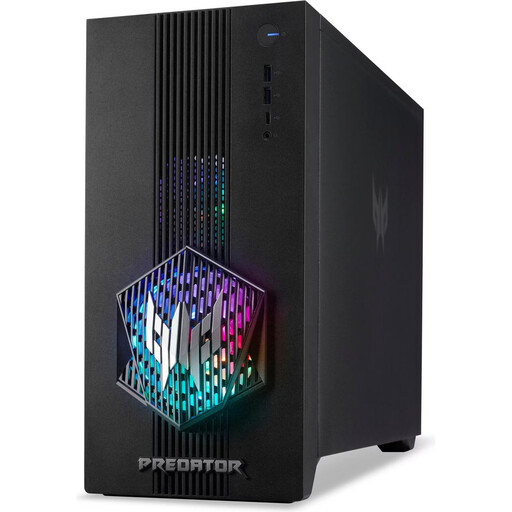
Acer Predator Orion 3000 desktop PC

Acer Predator Orion 3000 Desktop i5 Ultra, 16GB, 512GB, RTX5060, Win11 Home

The listed Windows 11 Home configuration is worth considering if you want to use NVDA on Windows.

The listed specification includes 16 GB RAM, a 512-GB SSD and an RTX5060. According to the description, the tower has HDMI, DisplayPort, USB-A and USB-C.

View at Joybuy

HP Z2 Mini G1a Ryzen AI Max+ Pro 395

HP Z2 Mini G1a Ryzen AI Max+ Pro 395, 128GB, 2TB

This configuration is a compact Windows workstation option if you’re looking for a mini PC for development work.

The listed specification includes Windows 11 Professional, 128 GB RAM and a 2-TB SSD. The description mentions Thunderbolt 4, USB-C, Mini DisplayPort and a combo audio jack.

View at Joybuy
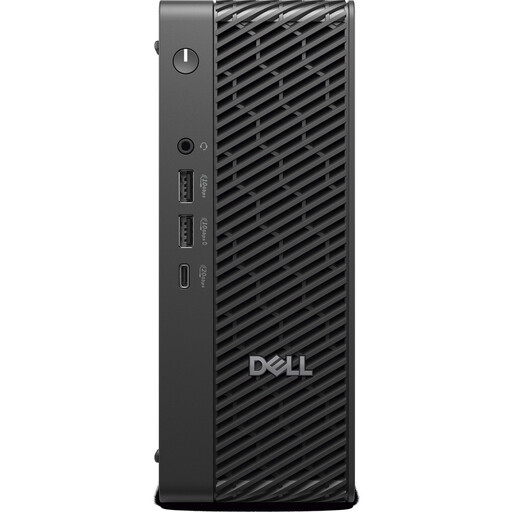
Dell Pro Max Micro FCM2250 TPM

Dell Pro Max Micro FCM2250 TPM, Core Ultra 7, 16GB, 512GB

The listed Windows 11 Pro configuration is worth considering if you’re looking for a compact computer for a Windows and NVDA setup.

The listed specification includes a 14-core Core Ultra 7 with NPU, 16 GB DDR5 at 6400 MHz, a 512-GB M.2 PCIe SSD and Intel Graphics. The description also mentions USB-C, additional USB ports and Gigabit LAN.

View at Joybuy

Dell Alienware Aurora ACT1250 1J3N5

Dell Alienware Aurora ACT1250 1J3N5, Core Ultra 9-285K, 32GB, 2TB, RTX5080

If you’re looking for a Windows desktop with multiple video connections, check whether this tower configuration suits your setup.

The listed specification includes 32 GB RAM, a 2-TB SSD and Windows 11. The description mentions HDMI, three DisplayPort connections, USB-A and USB-C.

View at Joybuy

Lenovo ThinkStation P2 Tower Gen2

Lenovo ThinkStation P2 Tower Gen2, Core Ultra 7 265, 32GB, 512GB, RTX A400

The listed Windows 11 Pro configuration is relevant if you’re setting up a tower workstation with NVDA.

The listed specification includes 32 GB DDR5, a 512-GB NVMe SSD and an NVIDIA RTX A400 with 4 GB. The description lists HDMI, DisplayPort, USB-C, USB-A and audio connections. A keyboard and mouse are included, according to the description.

View at Joybuy

Frequently asked questions

Are VS Code’s published minimum requirements enough to use as a shopping list?

No. The VS Code documentation covers VS Code, not necessarily the browser, database and other software your project needs. Check the entire planned software stack against the exact computer configuration.

How can I test the hire portal once it’s set up?

Test search, reservations and forms in practice using a keyboard and the screen reader you plan to use. The W3C points out that no single tool can provide a definitive assessment of a website’s accessibility.

What should I plan for project files and future support?

Plan regular backups and check that you can restore backed-up files. Compare support and what’s included for the specific listing; a large SSD is no substitute for a backup.

Does an equipment-hire portal in Germany have to be accessible under the BFSG?

You can’t determine this from the project description alone. Since 28 June 2025, the BFSG has covered certain services for consumers. For e-commerce, a key factor is whether the service is provided in response to an individual request from a consumer, with a view to concluding a consumer contract, as explained by the Federal Government Commissioner for Matters relating to Persons with Disabilities’ Accessibility Centre. Whether a specific portal falls within the scope depends, among other things, on the operator, the offer and the contract process. The Accessibility Centre describes an exemption for micro-enterprises providing services; different rules may apply to public bodies. Whether a portal is required to comply is not a general minimum requirement for any particular desktop model.