
Lieferung heute & morgen

Qualitätsgarantie

Willkommens-Angebote freischalten: KOSTENLOSE Lieferung | Bis zu 80 % RABATT | Kostenlose 30-Tage-JoyPlus-Testphase
App herunterladen
An equipment tent offers a flexible and cost-effective solution for protecting bicycles, garden equipment, or tools from the elements. However, the market can be overwhelming, and not every model delivers on its promises. Before you make a decision, it's crucial to understand the typical weak points that often only become apparent after the purchase.
As your Joybuy Product Recommendation Officer, I'm here to help you separate the wheat from the chaff. This guide focuses on the critical features that determine longevity and utility, showing you how to avoid common purchasing pitfalls.
Many low-cost offers quickly turn out to be poor investments. Pay special attention to these three points to avoid disappointment:
To find a suitable and durable model, you should focus on objective and verifiable criteria. A solid equipment shed made of plastic film or a bike tent is characterised by the following features.
The tarpaulin is the first line of defence against rain, snow, and UV radiation. Look for the material density specification in grams per square metre (g/m?). A tarpaulin of 130 g/m? or more generally offers a good balance of flexibility and tear resistance. UV-stabilised polyethylene (PE) is a common standard here.
For the frame, powder-coated steel is a robust choice that offers good protection against rust. Aluminium is lighter and also corrosion-resistant, which makes assembly and disassembly easier. The thickness of the poles and the quality of the connectors are crucial for the overall stability of the bike garage.
A good garden storage tent always comes with a comprehensive anchoring kit. This includes sturdy pegs or ground stakes for securing it to the ground, as well as guy ropes for additional protection against wind. Models with reinforced eyelets and extra tensioning straps offer a significant safety advantage, especially in wind-exposed locations.
Thoughtful ventilation is not a luxury, but a necessity. Look for integrated ventilation windows with insect screens. These allow for continuous air exchange and prevent heat build-up and condensation. A wide, smooth-running zipper on the door facilitates access, especially if you are using it as a motorcycle garage or a polytunnel greenhouse for bulky items.
Here are three models tailored to different user profiles that meet the quality criteria mentioned above.
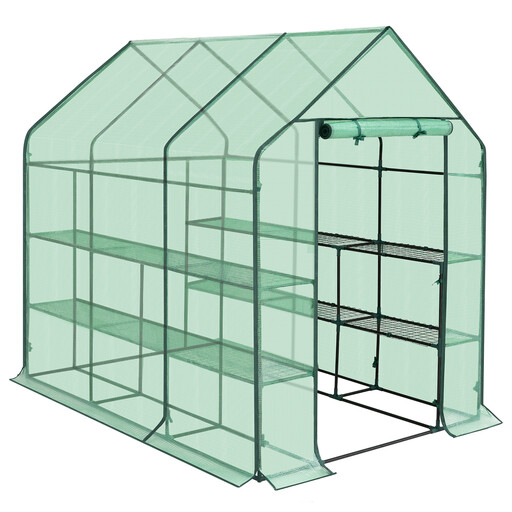
Why this model is a great fit: Ideal for hobby gardeners who need a protected space for growing vegetables or overwintering plants. The walk-in height and integrated shelves allow for organised and efficient use of space.
The powder-coated steel frame ensures stability. The mesh windows and zippered door actively counteract the formation of condensation and mould.
Three sturdy metal shelves, each with a 15 kg load capacity (according to the manufacturer), provide ample space for pots and seedling trays.
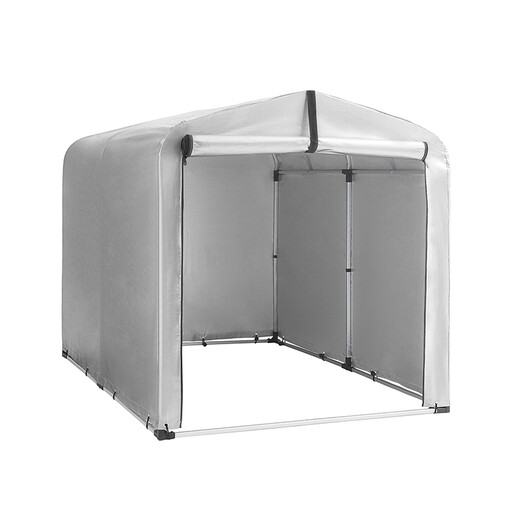
Why this model is a great fit: Perfect for families who need to store multiple bikes safely and dryly without erecting a bulky plastic garden shed. It offers enough space for e-bikes, city bikes, or a scooter.
The model comes with 14 tensioning straps and 4 storm anchors, directly addressing the instability pitfall. The roll-up door ensures good ventilation to prevent moisture build-up.
The comprehensive anchoring system provides high stability even in adverse weather conditions, which is crucial for year-round use.
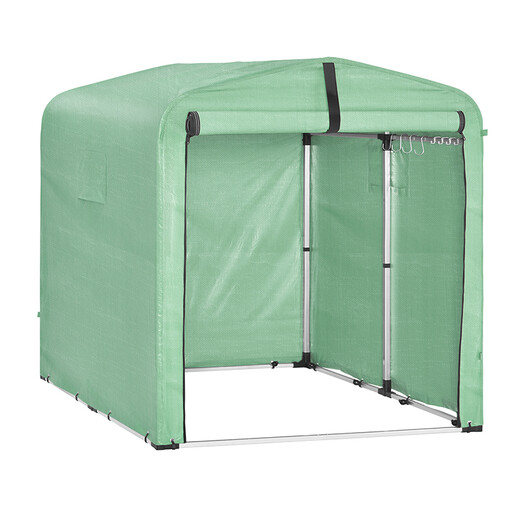
Why this model is a great fit: For users seeking a flexible storage solution for more than just bikes. It's also suitable for lawnmowers, tools, or firewood and offers thoughtful details for better organisation.
Two integrated ventilation openings ensure constant air circulation, specifically tackling the problem of condensation. The lightweight aluminium frame is nevertheless robust.
Eight included hooks allow you to hang tools, helmets, or accessories, creating additional order inside the tent.
We have compiled a complete, up-to-date list of products that fully meet these strict selection criteria and German safety regulations.
Generally, no. Equipment tents are usually considered "temporary structures" and are therefore permit-free, as long as they do not exceed a certain size and are only set up temporarily. However, the exact regulations can vary by state and municipality. For permanent installation or larger models, a quick inquiry with the local building authority is advisable.
Always use all the anchoring materials provided. Position the tent in a location sheltered from the wind, such as against a house wall or hedge. Check the tension of the guy ropes regularly. In case of an expected severe storm, additional weights (e.g., sandbags) placed on the inside of the frame can provide more stability.
PE (Polyethylene) is the most commonly used material. It is lightweight, flexible, waterproof, and generally more affordable. PVC (Polyvinyl Chloride) is heavier, thicker, and often even more tear-resistant and UV-resistant. However, PVC can lose flexibility and become brittle at very low temperatures. For most private applications, a high-quality, UV-stabilised PE tarpaulin offers an excellent compromise.