
Lieferung heute & morgen

Qualitätsgarantie

Willkommens-Angebote freischalten: KOSTENLOSE Lieferung | Bis zu 80 % RABATT | Kostenlose 30-Tage-JoyPlus-Testphase
App herunterladen
Choosing an ergonomic baby carrier is one of the most important decisions for new parents. It promises mobility, free hands, and a close bond with your child. However, the market is overwhelming and filled with marketing promises that often create more confusion than clarity. Many parents invest in a model that becomes uncomfortable after a few months, causes back pain, or is unsuitable for their baby.
As your Joybuy Product Recommendation Officer, I'm here to help you navigate these pitfalls. We will focus on the objective criteria that truly matter, so you can make an informed decision.
To avoid a bad buy, you should focus on three verifiable core features. These form the foundation for safety, comfort, and longevity.
The most important criterion for your baby's healthy development is the baby carrier M-position. In this position, the baby's knees are slightly higher than their bottom, and their legs are spread, keeping the hip joints in a natural, stable position. The baby's back should be gently rounded (C-shape).
A good ergonomic baby carrier distributes the child's weight evenly across your hips and shoulders, not just on your back.
The material influences the carrier's comfort, care, and usability. Adaptability ensures the carrier can be used from the carrier from birth stage through to toddlerhood.
Based on these objective criteria, we have identified models that are particularly well-suited for different user profiles.
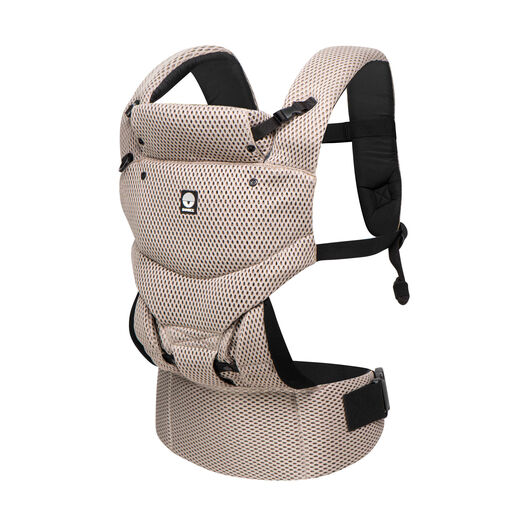
Why this model is a great fit: It offers all the essential ergonomic features, including recognition from the IHDI, at an accessible price point. Ideal for parents looking for a safe and functional starter option without compromising on ergonomics.
Instead of vague "one-size" promises, it provides a clear weight range (3.5–15 kg) and an adjustable seat that grows with the child, thus bypassing the "one-size-fits-all" trap.
Recognised by the International Hip Dysplasia Institute (IHDI) and made from breathable 3D mesh fabric for excellent ventilation.
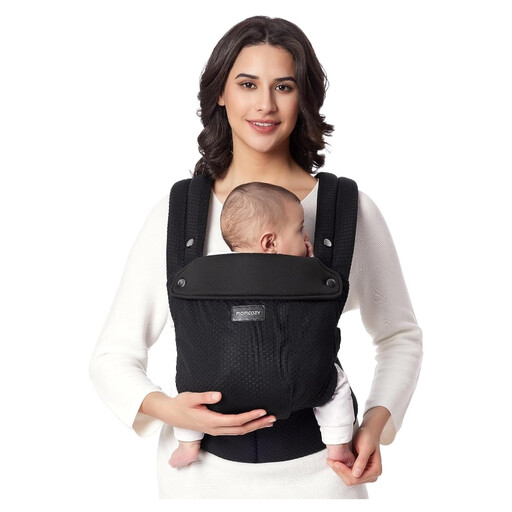
Why this model is a great fit: Specifically designed for warm weather and an active lifestyle. The mesh fabric maximises air circulation, keeping both parent and baby comfortably cool during walks or daily activities.
Solves the problem of unsuitable materials by specifically using breathable mesh fabric and a cooling neck area. This prevents overheating on hot days.
Maximum air circulation for summer and an integrated EVA lumbar support that effectively distributes weight and relieves strain on the parent's back.
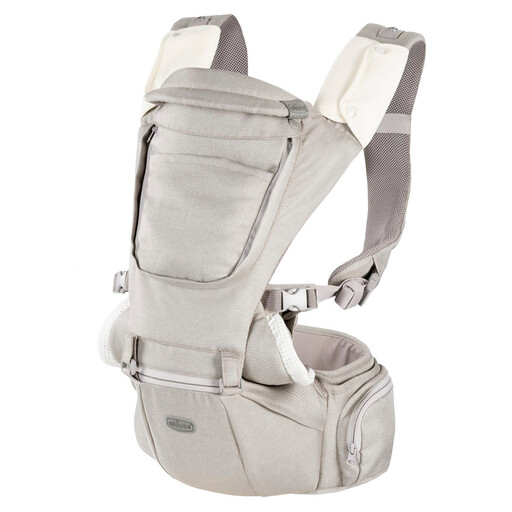
Why this model is a great fit: This 3-in-1 system offers maximum versatility. The combination of a soft carrier and a sturdy, detachable hip seat flexibly adapts to the child's age and the parents' needs.
Directly addresses the problem of poor weight distribution with its separately usable hip seat. This shifts the weight to the hips, providing targeted relief for the parent's back and shoulders.
Multifunctional 3-in-1 system with 8 carrying configurations and recognition from the IHDI as a hip-healthy product.
We have compiled a complete, up-to-date list of products that fully meet these strict selection criteria and safety regulations.
1. When can I start using a baby carrier for my newborn? Most ergonomic baby carriers are suitable for newborns starting from a weight of about 3.2 to 3.5 kg. It is crucial that the carrier provides good head and neck support and that the seat panel can be adjusted narrowly enough to prevent over-spreading of the legs. Always check the manufacturer's specific weight and age recommendations.
2. How do I know if my baby is correctly seated in the M-position? Check three things: Your baby's knees should be at or slightly above their navel level. Their bottom is sitting lower than their knees. The carrier's seat panel supports the thighs from one knee pit to the other. Your baby's back should form a natural, gentle curve (C-shape).
3. Can I use a baby carrier in the summer without my baby overheating? Yes, if you choose the right model. Opt for a breathable baby carrier made from lightweight materials like mesh fabric or thin cotton. Dress your baby and yourself lightly and avoid direct midday sun. Ensure your baby's face is always uncovered to guarantee good air circulation.