
Lieferung heute & morgen

Qualitätsgarantie

Willkommens-Angebote freischalten: KOSTENLOSE Lieferung | Bis zu 80 % RABATT | Kostenlose 30-Tage-JoyPlus-Testphase
App herunterladen
An ergonomic baby carrier can be a practical alternative to a pushchair when you’re out and about: shopping, travelling, doing things around the house or going for a short walk. But unclear age guidance, straps that are difficult to adjust and vague promises about comfort can quickly lead to a disappointing purchase. Design isn’t the only thing that matters: the carrier needs to suit both you and your child.
A label that says “baby carrier up to 20 kg” might suggest that you’ll get plenty of use out of it. But it doesn’t tell you at what stage of development the carrier is suitable. A carrier may be designed for 3.2 to 20 kg, for example, but still require your baby to be able to hold their head up independently. Always check weight, age, height and the manufacturer’s instructions.
An ergonomic design should allow your child to sit in a natural position. Look for a seat panel that’s wide enough and can be adjusted: your child’s legs should sit in an M-position, with their knees higher than their bottom. Good back support and clear airways are just as important. A baby carrier is not protective equipment for falls, and shouldn’t be used during activities where there’s an increased risk of falling.
A lightweight baby carrier can reduce the carrier’s own weight, but it won’t make up for poor weight distribution. The shoulder straps, waist belt and back panel all need to fit the person carrying the baby. A breathable baby carrier may feel more comfortable in warm weather, but it should still fit securely and be checked regularly for wear and tear.
For a baby carrier from 3 months, the instructions should clearly state whether your child needs to be able to hold their head up independently. Before you buy, check:
A front-facing baby carrier suits many everyday situations. Models that also allow you to carry your child on your back or hip offer more flexibility, but you’ll need to check the age and weight limits for each carrying position carefully.
A baby carrier with lumbar support can affect how the weight is distributed between your shoulders, back and hips. Terms such as EVA panel, X-shaped back support and padded waist belt describe individual features, but they don’t guarantee a good fit for you. Adjust the carrier without your child in it first, then check all the buckles.
If you experience pain or pressure points, or the carrier feels unstable, stop using it and check the fit. If your baby was born prematurely or has specific health needs, it’s a good idea to seek professional advice before using a carrier.
A washable baby carrier is handy if you’ll be using it often. Cotton can feel soft, while mesh is often chosen for its airflow. Check the care instructions, including whether it can be machine-washed, the recommended temperature and how it should be dried. Washing at too high a temperature or drying it in a way that isn’t recommended can damage the fabric and affect its shape.
Before each use, check the seams, straps, buckles and fabric. Hearing the buckles click into place isn’t enough on its own: the carrier must also be fitted correctly and secure when loaded.
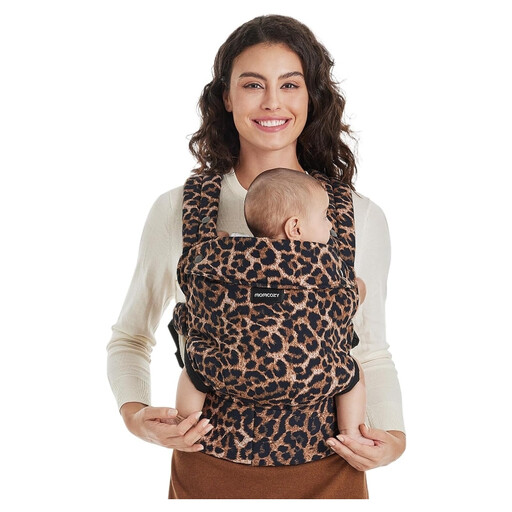
Why this product suits this profile: According to the product information, this front carrier is designed for babies aged around 3 to 24 months and weighing 3.18 to 19.96 kg. It’s a straightforward, adjustable option for parents looking for a carrier for everyday use.
The product information gives specific weight limits and three adjustment settings, and mentions the M-position rather than relying on vague claims about comfort.
100% cotton, machine-washable, padded leg openings and stated lumbar support.
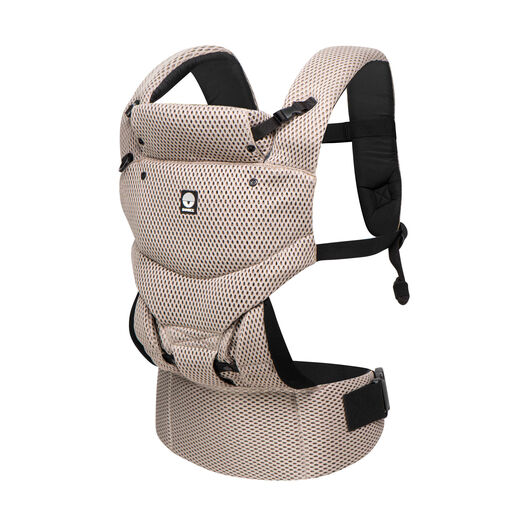
Why this product suits this profile: The product description gives a weight range of 3.5 to 15 kg and says the carrier can be used at the front or on the back. It’s designed for parents who value different adjustment options and clearly stated product standards.
The description specifies the M-position, adjustable seat, ventilation and EN 13209-2:2015 standard, giving you clear points to check.
3D mesh fabric, an adjustable waist belt up to 143 cm and three carrying positions described.
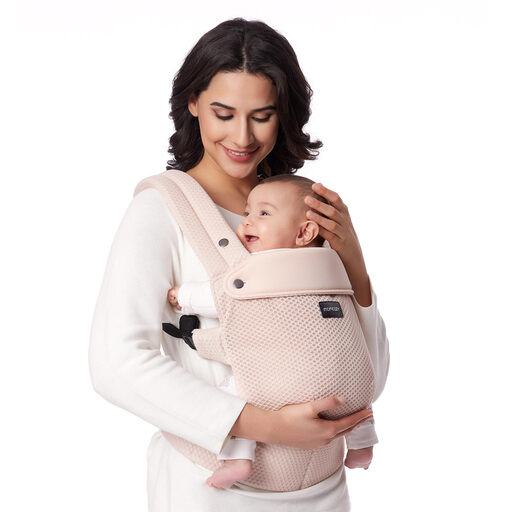
Why this product suits this profile: This breathable version is designed for warm days, travel and frequent everyday outings. It’s specified for 3.18 to 19.96 kg and allows you to carry your child at the front.
Air-mesh fabric is specified, and you can also check the three size settings and weight limit.
Mesh fabric, machine-washable, X-shaped back support and integrated EVA lumbar support.
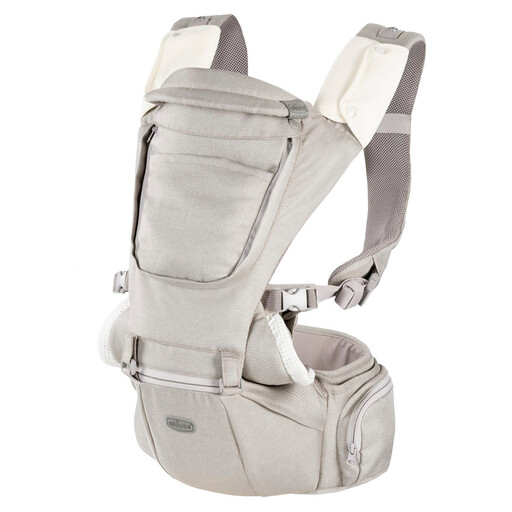
Why this product suits this profile: The 3-in-1 system combines a carrier, hip seat and fabric carrier section. According to the product information, it’s designed for 3 to 15 kg and several carrying positions.
The individual components and maximum load of 15 kg are clearly described, so the product’s use isn’t defined by a marketing claim alone.
Removable hip seat, machine-washable fabric section and a stated weight of 1.31 kg.
We’ve put together a complete, regularly updated list of products that meet these strict selection criteria and fully comply with the safety regulations in force in the EU.
It depends on the model. According to the manufacturer’s information, some products are suitable from around 3 months and from approximately 3.18 kg. Your baby must also be able to hold their head up independently, unless the instructions specify a different requirement.
This depends on the weight limit, your child’s height, the seat width and their stage of development. Models with a limit of around 20 kg may be designed for babies and toddlers, but you’ll need to readjust them regularly. If you experience pain or the carrier no longer provides enough support, stop using it.
Always follow the care label. Models described as washable baby carriers can often be machine-washed. Fasten the buckles before washing and allow the carrier to dry completely. Don’t use it again until every part is dry and undamaged.