
Lieferung heute & morgen

Qualitätsgarantie

Willkommens-Angebote freischalten: KOSTENLOSE Lieferung | Bis zu 80 % RABATT | Kostenlose 30-Tage-JoyPlus-Testphase
App herunterladen
An ergonomic baby carrier promises closeness, security, and free hands in your daily life. However, the market is overwhelming, and many products don't live up to their claims. As a Joybuy Product Recommendation Officer, I'm here to filter the essential information for you, so you can make an informed decision and sidestep common purchasing pitfalls.
Choosing a carrier for your baby can be daunting. Marketing buzzwords and a flood of models make it difficult to find your way. Pay close attention to these three points to avoid making the wrong choice:
To avoid these pitfalls, you should focus on objective and verifiable criteria. The following three aspects are crucial for safety and comfort.
The most important criterion for an ergonomic baby carrier is the child's correct posture. The so-called spread-squat position (often referred to as the "M-position") is fundamental for healthy hip development.
Additionally, the baby's back should be slightly rounded ("C-shape") to support the natural curvature of the spine.
A good baby carrier is flexible. Check the manufacturer's weight specifications carefully.
You will be the one wearing the carrier, so your comfort is just as important. A wide, well-padded hip belt shifts the child's weight from your shoulders to your hips. An integrated lumbar support can make a significant difference here and help prevent back pain. Crossed or wide, fanned-out shoulder straps also distribute pressure more effectively. A lightweight baby carrier further reduces the overall load.
Here are some models tailored to specific needs and user profiles.
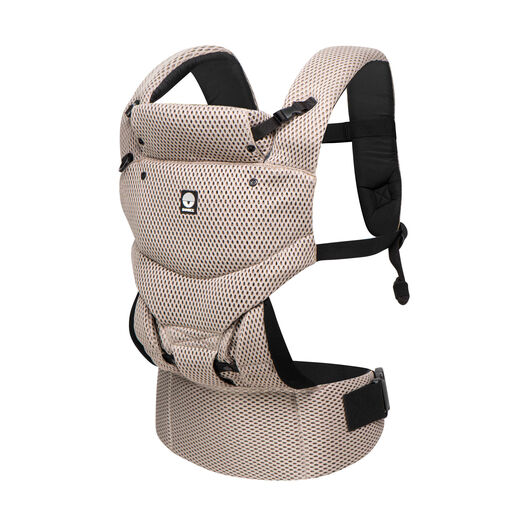
Why it's a great fit: It offers certified ergonomics and versatile carrying positions at an accessible price point. Ideal for parents looking for a reliable starter option without compromising on their child's hip health.
This model bypasses the "one-size-fits-all" trap with an adjustable seat that ensures the correct M-position from 3.5 kg to 15 kg (7.7 to 33 lbs). Its recognition by the International Hip Dysplasia Institute confirms its ergonomic credentials.
Recognised by the International Hip Dysplasia Institute. Offers three carrying positions (front-inward, front-outward, back) and is made from breathable 3D mesh fabric.
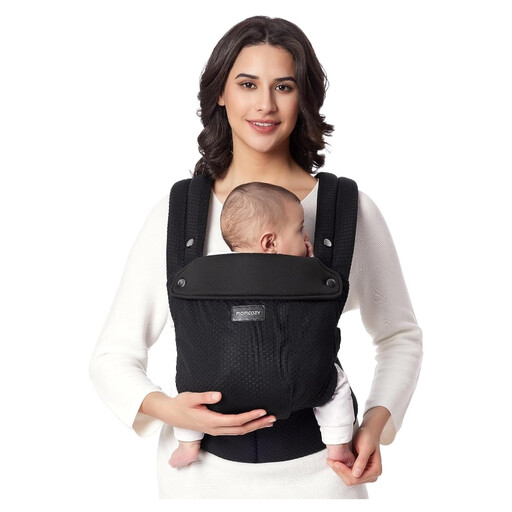
Why it's a great fit: Designed for warm days and an active lifestyle. The mesh fabric ensures maximum air circulation, preventing both parent and child from overheating.
This model solves the problem of heat buildup through the strategic use of breathable mesh fabric and a cooling material in the neck area. This maintains comfort even at higher temperatures.
Maximum air circulation from extensive mesh panels. It combines this with an integrated EVA lumbar support for parental comfort and a long usability period up to 20 kg (44 lbs).
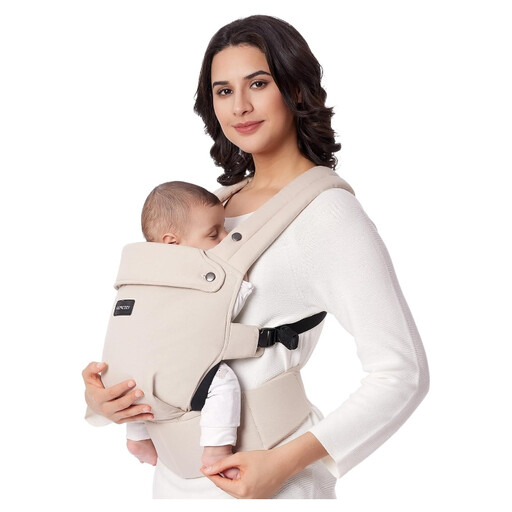
Why it's a great fit: The focus here is on maximum carrying comfort for parents during daily and extended use. The thoughtfully designed support system provides targeted back relief.
This model actively counters the "hidden ergonomic flaws" pitfall. The integrated EVA lumbar support and X-shaped back design distribute weight evenly, reducing strain on the back.
Reinforced lumbar support for superior parental comfort. Made from soft, machine-washable 100% cotton and usable for children from approx. 3.2 kg to 20 kg (7 to 44 lbs).
We've compiled a complete, up-to-date list of products that fully meet these strict selection criteria and comply with safety standards.
1. When can I start using a baby carrier for my newborn? Many ergonomic baby carriers can be used from birth (usually from a minimum weight of approx. 3.2 kg or 3.5 kg / 7 or 7.7 lbs). It is crucial that the carrier ensures the correct M-position and provides good neck support for the newborn. Always read the manufacturer's specifications and instructions carefully. For premature babies or children with health conditions, you should seek medical advice before use.
2. How do I know if my baby is positioned correctly in the carrier? Perform a simple check: Your baby's knees should be higher than their bottom (M-position). Their back should be gently rounded. You should be able to kiss your baby's head without bending forward significantly (they should be "kissably close"). The baby's face must always be visible and their airways clear.
3. Can I use a baby carrier in the summer without my baby overheating? Yes, it's possible. Choose a lightweight, breathable baby carrier made from materials like mesh, linen, or thin cotton. Dress your baby and yourself in light, airy clothing. Be sure to avoid direct sunlight and offer the baby plenty of fluids. Models specifically labelled as "breathable" or "for summer" offer the most functional solutions.