
Lieferung heute & morgen

Qualitätsgarantie

Willkommens-Angebote freischalten: KOSTENLOSE Lieferung | Bis zu 80 % RABATT | Kostenlose 30-Tage-JoyPlus-Testphase
App herunterladen
An ergonomic baby carrier promises closeness, security, and free hands in your daily life. But the market is confusing, and many parents quickly find that their chosen carrier is just gathering dust in a closet. This is often due to common misconceptions during the buying process, which lead to back pain or an unhappy baby. This guide shows you what really matters to find a suitable and useful baby carrier for the long term.
Before we dive into the important features, let's look at the typical traps that often lead to a bad purchase.
To avoid these pitfalls, you should focus on three objective criteria in your selection. These form the basis for safety, comfort, and long-term usability.
The most important criterion for an ergonomic baby carrier is its support for the spread-squat position, also known as the M-position.
A good baby carrier should distribute the child's weight evenly across your body to avoid pressure points.
The material affects not only how it feels against the skin but also the level of comfort at different temperatures.
Instead of making a one-size-fits-all recommendation, we have matched models based on different needs and lifestyles.
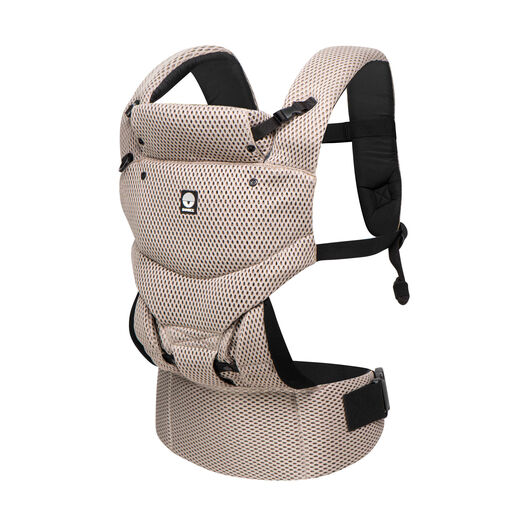
Why it's a great fit: Ideal for parents looking for certified, ergonomic basics without a large budget. It covers the essential functions for daily life and is designed for long-term use from 3.5 kg to 15 kg.
This model is recognised by the International Hip Dysplasia Institute and ensures the correct M-position. The wide, padded straps distribute weight and counteract the typical discomfort of carrying.
3D breathable mesh fabric for good ventilation; adjustable seat and leg support; SGS-tested according to standard EN 13209-2:2015.
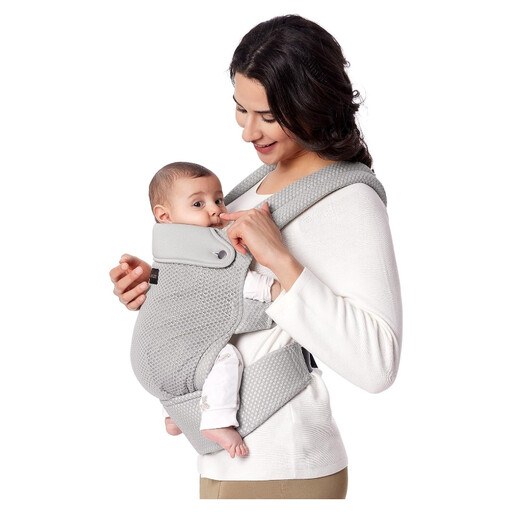
Why it's a great fit: Perfect for parents who are always on the go, expecting a baby in the warmer months, or simply want to avoid overheating. This lightweight baby carrier maximises air circulation for carefree outings.
The air-mesh fabric and cooling neck material solve the problem of heat build-up (Pitfall 2). At the same time, the X-shaped back design and EVA lumbar support ensure high carrying comfort (countering Pitfall 1).
Maximum breathability; integrated EVA lumbar support for pressure relief; three adjustable size positions for long-term use from approx. 3.2 to 20 kg.
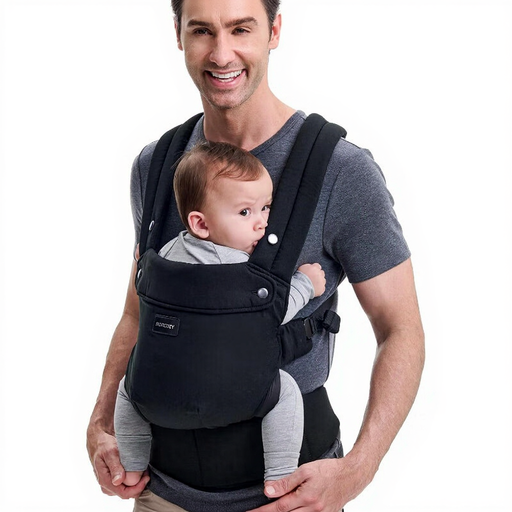
Why it's a great fit: A reliable companion for daily use. The 100% cotton material is soft, durable, and suitable for most climates. A classic, well-thought-out design for parents who value comfort and proven materials.
The design explicitly supports the M-position for the baby's hips and the C-shape for their back. The EVA lumbar support and cross-strap design directly address the parent's comfort and help prevent back pain.
Made from 100% pure cotton for softness and comfort; adjustable for babies from approx. 3.2 to 20 kg; machine-washable for easy care.
We have compiled a complete, up-to-date list of products that fully meet these strict selection criteria and safety regulations.
1. When can I start using a baby carrier for a newborn? Most ergonomic baby carriers are suitable for newborns starting from a minimum weight of about 3.2 to 3.5 kg. However, the crucial factor is not just weight, but also that the carrier provides adequate head and neck support, as newborns cannot yet hold their heads up independently. Always check the manufacturer's specifications and ensure that the carrier's seat is adjustable so that it doesn't over-spread the baby's legs.
2. How do I know if my baby is correctly in the M-position? Check three points: Your baby's knees should be at or slightly above their belly button level. Their bottom should be positioned lower than their knees. Their back should be slightly rounded (C-shape), not straight. The carrier's fabric should support the thigh from one knee pit to the other.
3. How do I clean a baby carrier properly? Many modern baby carriers, like the models from Momcozy, are machine-washable, which makes care much easier. It is recommended to wash the carrier in a laundry bag or pillowcase on a gentle cycle with a mild detergent. Close all buckles before washing. Avoid the tumble dryer and let the carrier air-dry to protect the material and padding. Always follow the specific care instructions from the manufacturer on the label.