
Lieferung heute & morgen

Qualitätsgarantie

Willkommens-Angebote freischalten: KOSTENLOSE Lieferung | Bis zu 80 % RABATT | Kostenlose 30-Tage-JoyPlus-Testphase
App herunterladen
An ergonomic baby carrier can be a practical everyday essential – whether you're out for a walk, travelling, doing chores around the house, or anywhere a pushchair feels cumbersome. However, models differ significantly in weight range, seat width, ventilation and carrying positions. A flashy product description alone tells you very little about whether a carrier actually suits your child and your lifestyle.
The claim baby carrier from birth should always be considered alongside the minimum weight, body length and the instructions in the user manual. Some models are approved from 3 kg, while others require a certain age or body length. For premature babies, those with a low birth weight, or specific health conditions, it's wise to consult a medical professional before use.
A baby carrier with a back-carry function or an outward-facing position can be versatile. What really matters, though, is the age and conditions under which each position is permitted. The Kikka Boo Myra Mesh, for example, is specified for front-facing (inward and outward) use from 3 months, with back carrying from 6 months. A large number of positions doesn't replace proper adjustment and regular checks.
A breathable baby carrier can feel more pleasant in warm weather. Even so, padded straps, the hip belt, the fit and how close your child sits all affect heat build-up. Also check whether the fabric is machine-washable or needs to be hand-washed only. A mesh panel is useful if it's actually placed where heat tends to accumulate.
With a baby carrier with M-position, your child's knees sit higher than their bottom. The seat should be wide enough to support the thighs without digging into the backs of the knees. Ideally, the width should be adjustable as your child grows. An adjustable head and neck support is especially important for younger babies.
Some products claim recognition from the International Hip Dysplasia Institute. This should be understood as product-specific information, not a medical guarantee of effectiveness. If you have any concerns about hip development, seek medical advice.
Compare your child's details with the approved range of each model:
The maximum weight alone doesn't tell you how long you'll actually be able to use it. Your child's height, leg length and the fit of the seat are also decisive factors.
An ergonomic carrier should distribute the load as evenly as possible across your shoulders, back and hips. Wide, padded shoulder straps and an adjustable hip belt can help with this. With a baby carrier with hip support, check whether the base can be used on its own or only together with the carrier body.
Before each use, check the buckles, seams and adjustment points. Your child must sit upright, close to your body, with their face visible. Their mouth and nose must not be covered by fabric or your body.
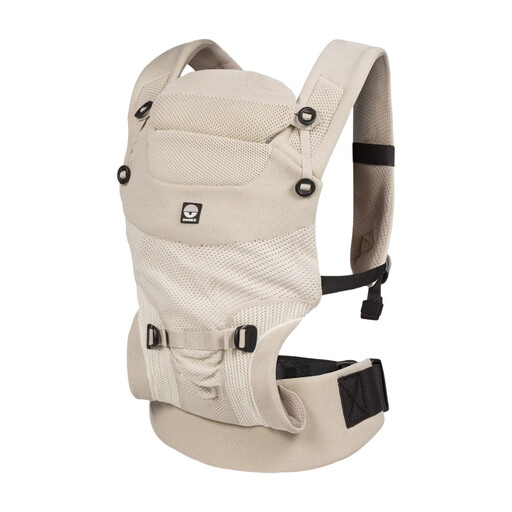
Why this product fits the profile: The stated range of 3.5 to 15 kg and three carrying positions offer a clear starting point for everyday use and walks.
The product details state the minimum and maximum weight as well as the permitted positions. This makes it easier to match usage with your child's development.
Adjustable seat and leg areas, M-position, padded straps and hip belt; tested according to EN 13209-2:2015 per the manufacturer.
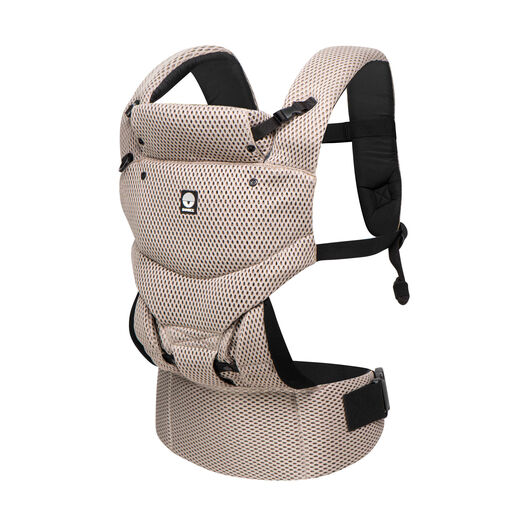
Why this product fits the profile: The combination of 3D mesh, adjustable seat and multiple carrying positions is designed for frequent everyday use.
The seat isn't just described with a general ergonomics claim; it specifies M-position, adjustable seat width and leg supports.
Rated for 3.5 to 15 kg; 3D mesh, padded straps, hip belt and use on the front (inward and outward facing) as well as on the back.
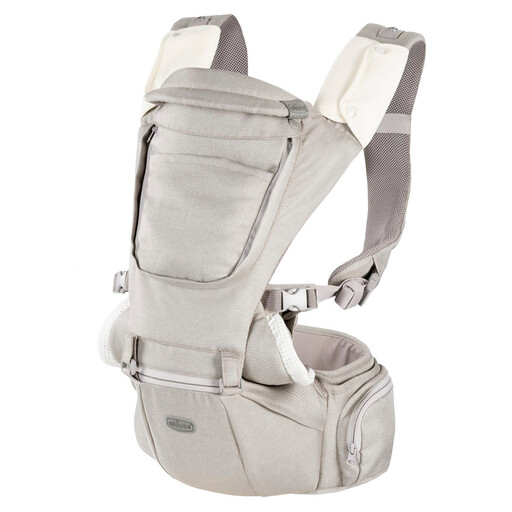
Why this product fits the profile: The 3-in-1 system is aimed at parents who want to switch between the carrier body, hip seat and different positions.
The individual components are clearly described. This makes it easy to see which functions can be used together or separately.
Rated from 3 kg to 15 kg per the product details, eight carrying configurations and a separately usable hip seat base; machine-washable cover at 30 °C.
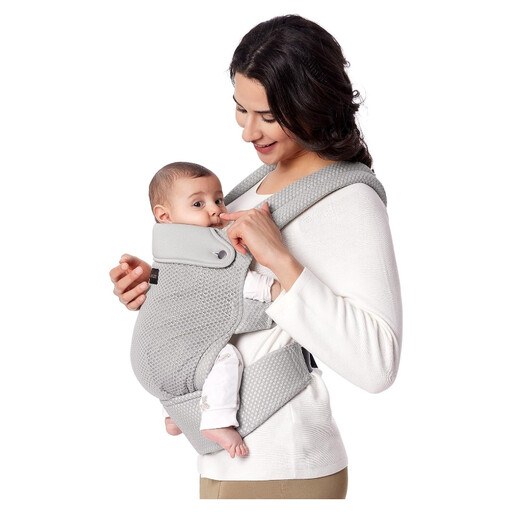
Why this product fits the profile: The mesh material and specified front-carrying position make it ideal for parents looking for a baby carrier for summer and short trips.
Ventilation is specified through air-mesh elements and a cooling contact fabric, rather than just being promoted with a general summer claim.
Rated for approximately 3.18 to 19.96 kg; three size positions, EVA lumbar support, X-back design and machine-washable material.
We've put together a full, regularly updated list of products that fully meet these strict selection criteria and the safety regulations in force in the EU.
That depends on the minimum weight, body length and design. Models like the Chicco Baby Carrier Hip Seat Hazelwood are specified from 3 kg according to the product details. Other carriers may claim suitability from 0 to 3 years, but still require a minimum weight or certain developmental milestones. Always refer to the current user manual.
The length of use depends on the weight range, body length and seat width. Models with a range up to 15 or 20 kg can be used for longer than carriers up to 9 kg. Check regularly that your child's back, head and legs are still adequately supported, and that they sit comfortably in the intended position.
A breathable baby carrier with mesh can improve air circulation. Even so, don't dress your child too warmly. Check their neck and back regularly, avoid direct heat and keep their face clear. For every use, follow the instructions on buckles, visibility of the airways and the permitted weight.