
Lieferung heute & morgen

Qualitätsgarantie

Willkommens-Angebote freischalten: KOSTENLOSE Lieferung | Bis zu 80 % RABATT | Kostenlose 30-Tage-JoyPlus-Testphase
App herunterladen
An ergonomic baby carrier can make everyday life easier: whether you are out for a walk, travelling or doing housework, your hands remain free while your baby is carried close to your body. However, many parents face similar problems: the carrier no longer fits after a short time, the material becomes uncomfortable on warm days, or the weight distribution puts strain on the shoulders and back.
It is therefore worth taking a close look at the design before buying. Terms such as “ergonomic”, “lightweight” or “breathable” do not automatically tell you whether a baby carrier from 3 months is genuinely suitable for your child, the person carrying them and the intended use.
A model with a stated weight range of around 3.2 to 20 kg can generally be used over a longer period. However, what matters is whether the width of the seat panel, back panel and straps can be adjusted to suit the child’s height. Three adjustment positions may be more practical than a rigid design.
With very young babies, it is also important that they can hold their head independently in accordance with the manufacturer’s instructions. The stated age and weight do not replace an assessment of the child’s individual development.
A breathable baby carrier may be made from mesh fabric, cotton or a combination of different materials. Mesh often allows more air to circulate and is particularly suitable for warm days. Depending on how it is woven, cotton can feel soft, but it is not automatically more breathable.
Look for specific details about the material, washability and padding. If a product simply promises a particular material performance without giving its exact composition, it remains unclear how the carrier will perform in summer, after washing or during extended use.
A baby carrier with lumbar support can support the lower back through additional padding or a shaped component. However, several factors affect actual carrying comfort: the fit of the hip or waist belt, the width of the shoulder straps, the height of the person carrying the baby and correct adjustment.
A carrier should not be chosen solely because it claims to offer “back relief”. Check whether the straps can be adjusted symmetrically and whether the child sits close to the body without feeling restricted.
With a baby carrier with M-position, the child’s knees are positioned higher than their bottom. The wide, padded seat panel should support the thighs as far as possible towards the backs of the knees without creating pressure points. The back section should not be adjusted too tightly or too flat. Many models describe a slightly rounded, C-shaped back posture.
The M-position should be assessed independently of the direction the child is facing. A front carrier should be adjusted according to the instructions for use. The face must remain visible, the airways must be clear and the child should sit upright.
For parents looking for a baby carrier for babies and toddlers, the stated weight range is particularly important. For the models presented here, it is approximately between 3.18 and 20 kg, depending on the product. These figures cannot be applied universally: the label, operating instructions and information provided by the respective manufacturer remain decisive.
A lightweight baby carrier weighs approximately 760 to 810 g according to the product data available here. This net weight is relevant for travel and everyday journeys, but on its own says nothing about suitability or comfort.
A cotton baby carrier may be an appealing option for everyday use and cooler temperatures. A mesh baby carrier, on the other hand, is designed to promote air circulation and may be more practical in summer temperatures. Check the following before every use:
The carrier must not be regarded as protection in the event of a fall or road accident. Activities involving an increased risk of falling, such as jogging or cycling, are not intended with the products listed here.
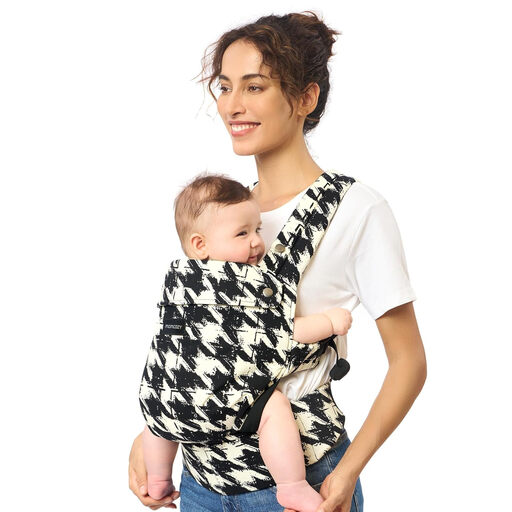
Why this product suits this profile: Made from 100% OEKO-TEX Standard 100-certified cotton, this front carrier has a stated weight range of approximately 3.18 to 20 kg and three adjustment positions.
Specific material, weight and care information makes it easier to check the product before buying.
Cross straps, EVA lumbar support and a padded seat; machine-washable according to the product information.
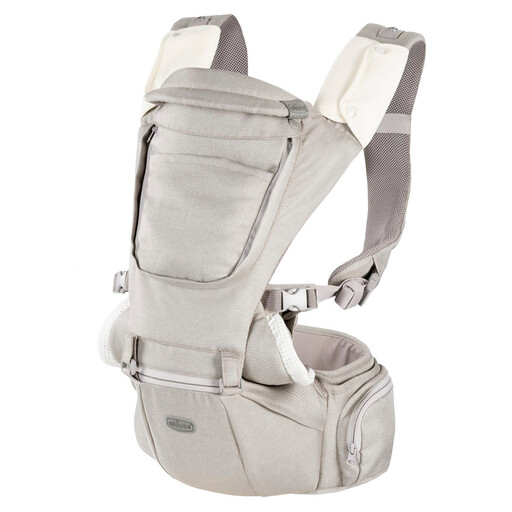
Why this product suits this profile: According to the product information, the 3-in-1 system combines a fabric carrier with a separately usable hip seat and offers several carrying configurations.
The separate ways of using the product make it clear which components are required for each type of use.
Three ways to use it, several carrying positions and a stated suitability range of approximately 3 to 15 kg.
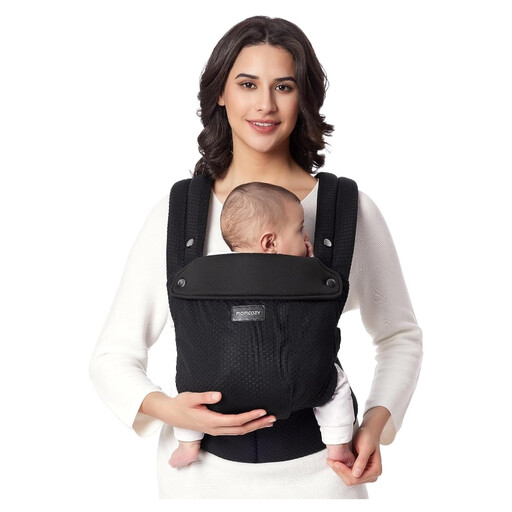
Why this product suits this profile: The mesh fabric and cooling neck area are designed for warm days, travelling and carrying your baby for longer periods in everyday life.
The specific reference to mesh replaces a blanket “summer” promise and makes the intended use clear.
Product weight of around 760 g, three adjustment positions and a stated range of approximately 3.18 to 20 kg.
We have put together a complete, regularly updated list of products that fully meet these strict selection criteria and the safety regulations applicable in the EU.
Before using the carrier for the first time, read the instructions in full and adjust it initially without going on a long walk. The child should sit as upright and close to the body as possible. Then check the following:
If you experience pain, numbness or strong pressure, stop using the carrier and check the adjustment. A person carrying a baby hands-free must also avoid activities involving open flames, hot liquids or an increased risk of falling.
A model is suitable only if the child’s weight and developmental stage fall within the manufacturer’s stated guidelines. Many of the models mentioned are intended for use from approximately 3 months and from 3.18 kg. For babies who cannot yet hold their head independently, pay particular attention to the relevant instructions.
This depends on the maximum weight, the child’s height and the fit. The Momcozy models presented here are stated to be suitable up to approximately 20 kg or around 24 months. These figures are guidelines for the respective products and should not be exceeded.
Mesh fabric can support air circulation and may feel more comfortable in warm weather. Cotton, on the other hand, may be a suitable choice at moderate temperatures and for everyday use. The decisive factors are the material, padding, the child’s clothing and how long the carrier is worn.