
Lieferung heute & morgen

Qualitätsgarantie

Willkommens-Angebote freischalten: KOSTENLOSE Lieferung | Bis zu 80 % RABATT | Kostenlose 30-Tage-JoyPlus-Testphase
App herunterladen
An ergonomic back support can make sitting more comfortable when it suits your height, seat and intended use. Many disappointing purchases, however, aren’t down to the price but to unclear product details: a supposedly lumbar support is too thick, a back cushion slips out of place, or an office chair has plenty of features but can’t be adjusted to fit you properly.
This buying guide explains what adults in the UK should look for in a back support, a seat cushion with a backrest or an ergonomic office chair.
The term ergonomic doesn’t describe a particular shape or quality on its own. What matters are specific details such as width, height, thickness, padding and how it attaches. A deeply contoured cushion may feel comfortable for one person but put too much pressure on another person’s lower back.
So, before you buy, check:
A lumbar support with several settings won’t automatically suit everyone. With an office chair, you should be able to adjust the seat height, seat depth, backrest tilt and armrests independently. With a back cushion, a simple, secure fastening is often more important than lots of features.
An ergonomic office chair should also suit the height of your desk. A footrest can be useful if you have shorter legs or a high desk. However, an office chair with a footrest needs enough space, and shouldn’t leave your knees permanently raised during everyday use.
Memory foam, foam and mixed fillings all have different properties. Memory foam moulds to your body in response to warmth and pressure, but can feel firmer or softer depending on the room temperature. A textile filling is often softer and more evenly distributed, but may need regular plumping.
Look for:
A car cushion for your lower back should be compact and easy to secure to the driver’s seat. Oversized models can change your seating position or get in the way of the headrest. For a home office, a wider backrest or a complete office chair is often a better choice than a small lumbar cushion.
If you only want to make a hard chair more comfortable now and then, you could choose a seat cushion with a backrest or a tall back cushion. If you’ll be sitting for several hours every day, the chair’s adjustment options and the right desk height are especially important.
A lumbar support only supports a limited area. A tall back cushion, on the other hand, extends from the lower back up to the shoulders. This can be handy with garden, dining or leisure chairs, but it can’t replace individual adjustments.
If you have neck discomfort or are looking for extra relaxation, you may be interested in massage cushions for the neck and back. Always use these devices in accordance with the instructions. Mechanical massage, heat and seating support are different features and shouldn’t be treated as medical care.
A cushion without a non-slip base or strap can be impractical for everyday use. Adjustable straps make it easier to fit different chairs. Also check whether the cover can be hand-washed or machine-washed on a delicate cycle. With a heated massage cushion, you’ll also need to consider the cable, power supply, temperature settings and safety instructions.
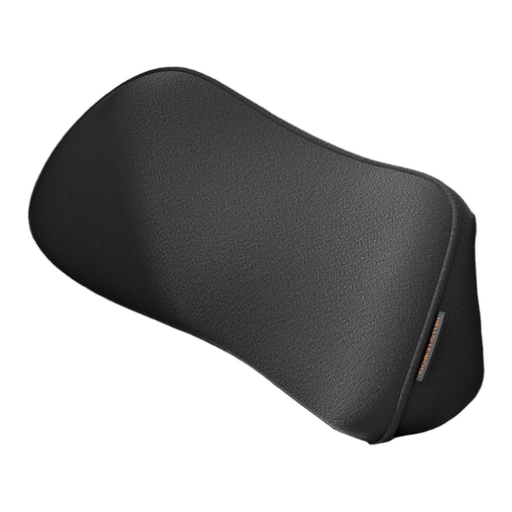
Why this product suits this profile: This compact car support is designed for drivers looking for a space-saving option for their car seat. According to the product description, it’s made from microfibre suede and memory foam with bamboo charcoal.
The product details describe a slim design and an anti-slip feature. This helps reduce the risk of the cushion taking up too much seat space or shifting position while you’re driving.
Lightweight design, breathable cover and intended use as a car cushion for the lower back.
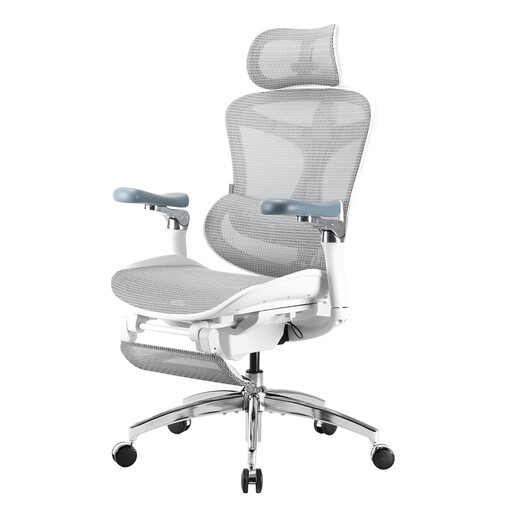
Why this product suits this profile: For a permanent home office set-up, a complete chair with an adjustable backrest and dynamic lumbar support is a more comprehensive solution than a loose cushion.
Rather than relying on a separate cushion, this design combines an office chair with an adjustable backrest and armrests. This makes it easier to tailor the chair to your desk and height.
Dynamic lumbar support, adjustable backrest and 3D armrests, according to the product name.
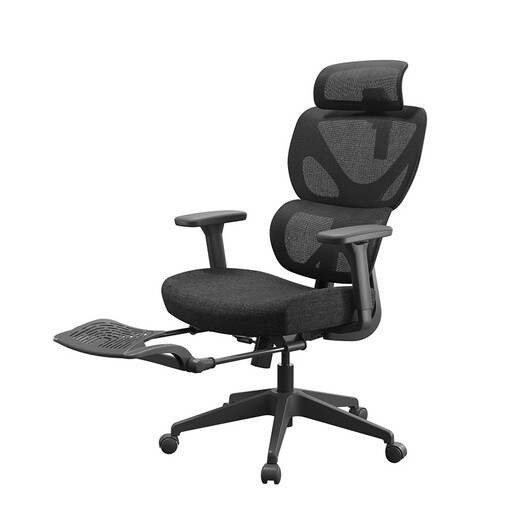
Why this product suits this profile: This chair is designed for people who want to switch between focused work and reclining, and prefer an integrated footrest.
The product name lists specific features rather than making general promises about comfort: a 132° recline, elastic lumbar support, rotating armrests and a 10 cm-thick seat.
Integrated footrest, 132° backrest and adjustable armrests and headrest, according to the product details.
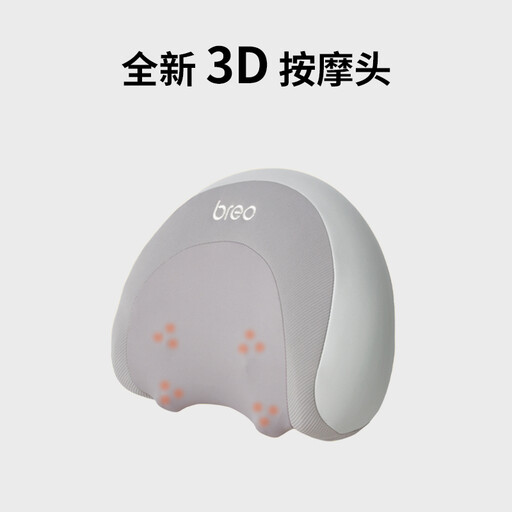
Why this product suits this profile: This massage cushion is designed for the neck, shoulders, waist and back. According to the product description, it has three operating modes and two heat settings.
Separate modes and stated temperature ranges make it clearer how to use this product than devices without specific feature details. Be sure to follow all the safety instructions.
15° wave motion, two heat settings from around 40 to 45 °C and a mode without mechanical massage.
We’ve put together a complete, regularly updated list of products that meet these strict selection criteria and the safety requirements in force in the EU.
The curve should support your lower back without pushing you forwards out of your natural sitting position. First, sit right back in your seat and position the support at the level of your lumbar spine. In the car, secure it so that it doesn’t interfere with the pedals, seat belt or your field of vision.
Its lifespan depends on the foam density, daily use, cover and care. There’s no reliable one-size-fits-all estimate in months or years. Look out for lasting deformation, loose fastenings and damaged seams. If you have a heated or electric device, check the cables and controls regularly.
The price depends on the design and features. A simple car cushion is generally cheaper than a fully adjustable office chair or a massage device with a heat function. Don’t compare the purchase price alone: consider the availability of replacement parts, care requirements, electricity use for powered products and how often you’ll actually use it.