
Lieferung heute & morgen

Qualitätsgarantie

Willkommens-Angebote freischalten: KOSTENLOSE Lieferung | Bis zu 80 % RABATT | Kostenlose 30-Tage-JoyPlus-Testphase
App herunterladen
The search for the right desk chair can quickly become overwhelming. Whether for a home office, a corporate setting, or intense gaming sessions, the market is filled with models promising comfort and a healthy posture. However, not every chair advertised as "ergonomic" meets the criteria for long, pain-free sitting. Many buyers only realise after a few months that their new office chair is causing more problems than it solves.
This guide will walk you through the most common pitfalls and explain which objective features you should look for to make an informed decision.
Before we dive into the essential features, it's helpful to understand the typical issues that can lead to a poor purchase.
To avoid these pitfalls, focus on verifiable facts and technical specifications. The following three areas are fundamental to making a good purchasing decision.
A chair must adapt to you, not the other way around. Look for the following adjustment options:
The choice of material affects comfort, durability, and maintenance.
Independent quality seals help to objectively assess a chair's quality and safety. Look for certifications such as:
Instead of a one-size-fits-all recommendation, we present models tailored to different user profiles and requirements.
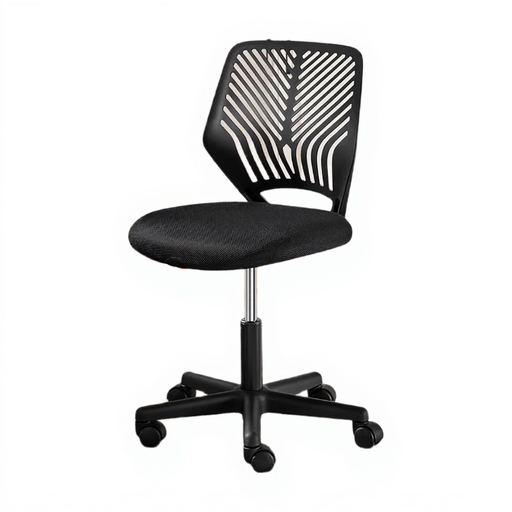
Why This Fits Their Persona: Ideal for students or a compact home office. The armless design saves space and allows the chair to be pushed completely under the desk. It offers basic functions for occasional use without a high investment cost.
It doesn't make exaggerated ergonomic promises but delivers a stable base. According to the manufacturer, the gas lift is SGS-certified and tested for durability, which avoids the pitfall of an unstable mechanism.
Compact, space-saving armless design. The breathable mesh backrest ensures air circulation.
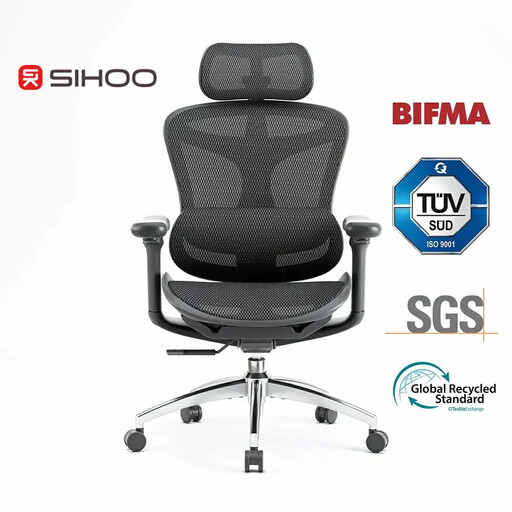
Why This Fits Their Persona: Perfect for professionals in a home or corporate office who sit for many hours a day. This chair offers comprehensive, dynamic adjustment options to prevent fatigue and actively support a healthy posture. It is available in black or as an elegant white office chair.
This chair avoids the empty "ergonomic" promise trap with concrete technical features like the self-adjusting lumbar support and synchronised 3D armrests. The use of breathable mesh fabric and a sturdy aluminium frame counteracts the problem of subpar materials.
Dynamic, self-adjusting lumbar support and intelligent weight detection for the recline function. Meets various standards (EN1335, T?V, BIFMA).
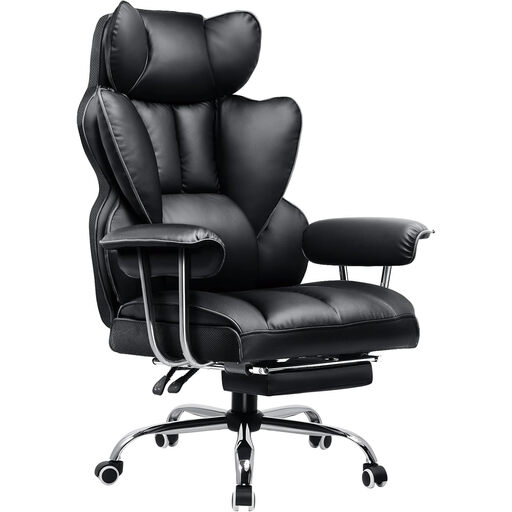
Why This Fits Their Persona: This gaming chair is designed for long sessions. The high backrest, deep recline function, and retractable footrest provide comfort not only for gaming but also for watching movies or relaxing. It serves as a multifunctional executive chair.
Instead of vague promises, this chair offers concrete comfort features. The high-density foam and PP cotton padding counteracts the problem of the cushioning quickly flattening out. The sturdy metal frame prevents the pitfall of an unstable mechanism.
Integrated, retractable footrest for maximum relaxation. The backrest can recline up to 135 degrees.
We have compiled a complete, up-to-date list of products that fully meet these strict selection criteria and all relevant safety regulations.
The lifespan heavily depends on the intensity of use, the materials used, and the construction. A high-quality home office chair with a steel or aluminium frame, certified components, and durable upholstery can last 5 to 10 years with daily use. Pay attention to the warranty period offered by the manufacturer, as it is often a good indicator of expected durability.
A gaming chair can be suitable for a home office, especially if you prefer a high backrest and a relaxed sitting position. The main difference often lies in the design and priorities: gaming chairs frequently feature a racing-style bucket seat and deep recline functions, whereas dedicated ergonomic office chairs focus on subtle, posture-correcting adjustments like dynamic lumbar support. The choice depends on your personal preferences and primary use.
The synchronous mechanism is a feature of high-quality office chairs. It links the recline of the backrest with the tilt of the seat at a specific ratio (e.g., 2:1). When you lean back, the backrest tilts more than the seat, which only lifts slightly. This promotes "dynamic sitting," supports the body's natural movements, maintains contact with your back, and improves circulation.