
Lieferung heute & morgen

Qualitätsgarantie

Willkommens-Angebote freischalten: KOSTENLOSE Lieferung | Bis zu 80 % RABATT | Kostenlose 30-Tage-JoyPlus-Testphase
App herunterladen
A suitable office chair is fundamental for productive and pain-free work, especially in a home office. But the market is flooded with models that advertise themselves as "ergonomic" but often disappoint in practice. Many buyers invest in a chair that loses its comfort after just a few months or even worsens posture problems. Before you make a decision, it's crucial to know the most common pitfalls to ensure you're getting real value for your workday.
The three most common mistakes when buying an office chair are:
To avoid a bad purchase, focus on verifiable, technical features rather than marketing buzzwords. Three core parameters are crucial for the quality and functionality of your future chair.
The type of mechanism determines how the chair adapts to your movements.
An office chair must be height-adjustable so your feet can rest flat on the floor and your thighs form a horizontal line. Additionally, the following adjustments are important:
The longevity of a chair depends directly on the materials used.
Based on these objective criteria, we have compiled a selection of office chairs suitable for different user profiles and requirements.
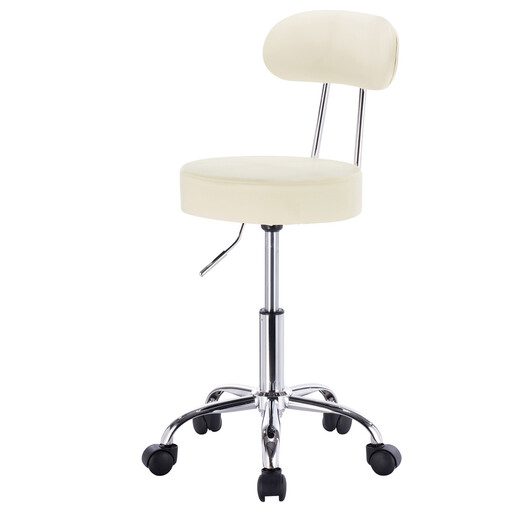
Why This Fits Their Persona: Ideal for users looking for a compact, stylish, and functional chair for occasional to moderate work hours in the home office. Its simple design blends well into living spaces.
This chair avoids the empty ergonomics promise by focusing on basic but solidly implemented features: a reliable height adjustment and an ergonomically shaped, fixed backrest for fundamental support.
Compact design, ideal for smaller workspaces. The maximum weight capacity of 120 kg and the chrome-plated metal frame provide a solid foundation for this price range.
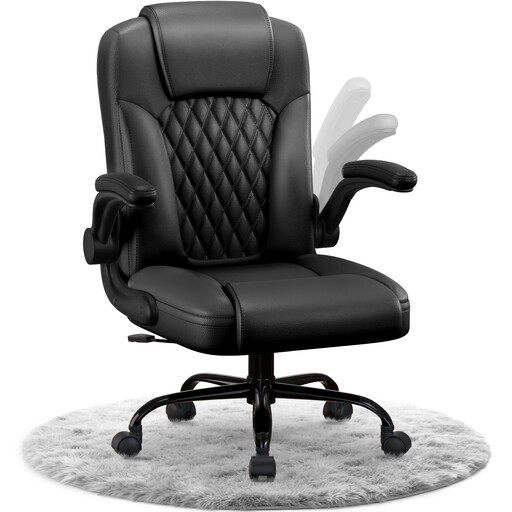
Why This Fits Their Persona: Designed for long workdays and heavier loads. The combination of high weight capacity, versatile adjustment options, and robust materials makes it a reliable choice for intensive daily use.
This chair avoids the pitfall of inadequate weight capacity claims with a robust metal frame and a certified gas lift, ensuring a maximum load of 150 kg. The adjustment options are clearly defined and functional.
High weight capacity, flip-up armrests for more flexibility, and a rocking function (90°-120°) for relaxation breaks. The 25% thicker PU leather promises greater durability.
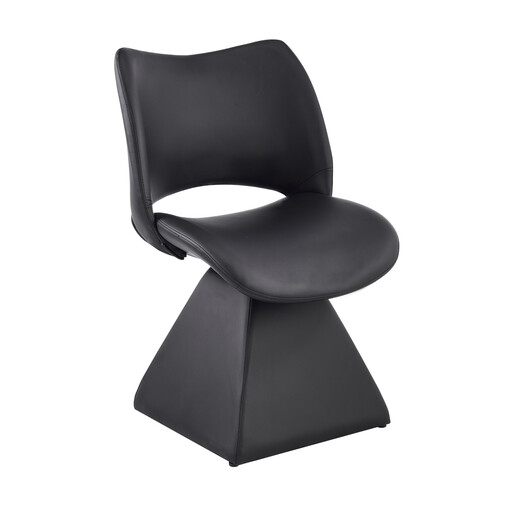
Why This Fits Their Persona: Perfect for anyone looking for a chair that is both a design statement and a comfortable seat. It is suitable for use in the home office, at the dining table, or as a stylish accent in the living area.
This model sidesteps the pitfall of poorly implemented features by relying on a clean, functional design. It is delivered fully assembled, which eliminates problems with complicated assembly instructions from the outset.
Futuristic, geometric design with high recognition value. The high, curved backrest offers good comfort, and its delivery in an assembled state ensures it's ready for immediate use.
We have compiled a complete, up-to-date list of products that fully meet these strict selection criteria and comply with German safety regulations.
The lifespan heavily depends on material quality and usage. A chair with a metal base, a certified gas lift, and high-quality upholstery can last 5 to 10 years with daily use. Cheaper models with plastic components and thinner padding often show significant signs of wear after just 1 to 2 years.
A rocking mechanism tilts the entire seat shell (seat and backrest) backward at a fixed angle. A synchronous mechanism dynamically adjusts the angle between the seat and the backrest as you lean back. This provides better support for the body and promotes a healthier, more active sitting posture.
Armrests are highly recommended as they relieve the neck and shoulder muscles by supporting the weight of your arms. Height-adjustable armrests are ideal for adapting them to your body height and desk height. An office chair with flip-up armrests is a practical alternative if you want to slide the chair completely under the desk when not in use or need more freedom of movement at times.