
Lieferung heute & morgen

Qualitätsgarantie

Willkommens-Angebote freischalten: KOSTENLOSE Lieferung | Bis zu 80 % RABATT | Kostenlose 30-Tage-JoyPlus-Testphase
App herunterladen
By the Joybuy Product Recommendation Officer, August 30, 2026
A good ergonomic office chair is the foundation of a productive day at your home office. Yet, the market is saturated with models that overpromise and underdeliver. Many professionals and students invest in a new chair, only to find that back pain and discomfort return after just a few months. This is often due to common purchasing traps hidden behind marketing jargon.
Before you make a decision, it's crucial to understand the most common pitfalls that can lead to a poor investment:
To avoid these traps, focus on verifiable, functional features. A good office chair is a tool that must adapt to you—not the other way around.
The most important feature is adaptability. A height-adjustable swivel chair is the absolute minimum requirement. Your feet should be able to rest flat on the floor while your knees form a 90-degree angle. Look for the following adjustment options:
A rigid backrest rarely provides the right support. A chair with lumbar support is crucial, as it reinforces the natural S-curve of your lower spine. Ideally, this support is height-adjustable to be positioned precisely at your lower back. A rocking or synchronous mechanism that allows the backrest to move with you also promotes dynamic sitting and prevents muscle tension.
Material affects both comfort and longevity. A fabric office chair is often an excellent choice, as it is breathable and creates a comfortable seating environment. Pay attention to the fabric's abrasion resistance rating. For cushioning, foam density is key. High-density moulded foam retains its shape and supportive properties significantly longer than standard foam, which quickly loses its volume.
Instead of making a blanket recommendation, we have identified models tailored to specific user profiles and their unique requirements.
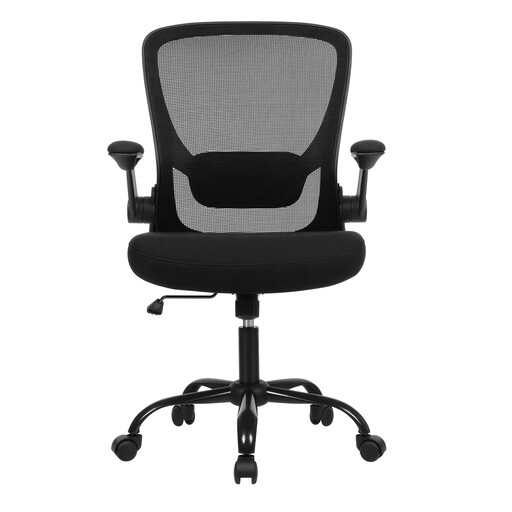
Why This Fits Their Persona: Ideal for daily, multi-hour use in the home office. It combines essential ergonomic functions with practical details for an efficient work environment.
This chair moves beyond an empty "ergonomics" promise by offering adjustable lumbar support and a rocking function. The flip-up armrests solve the one-size-fits-all problem and create flexibility.
The combination of targeted back support and space-saving flip-up armrests makes it a versatile solution. The breathable fabric cover and thick seat cushion ensure comfort during long periods of sitting.
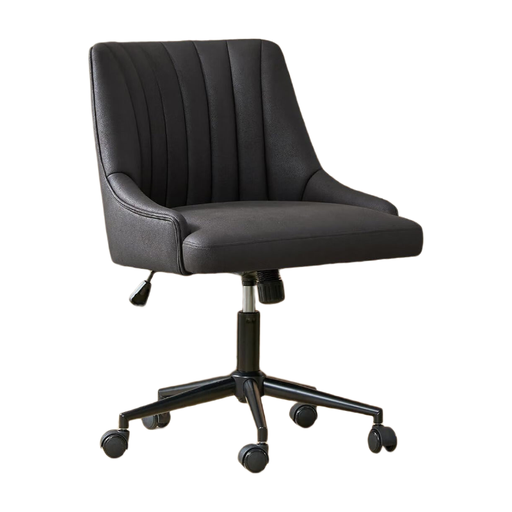
Why This Fits Their Persona: Perfect for users seeking a chair that blends seamlessly into a modern living or work environment and doesn't look like a traditional piece of office furniture.
This modern office chair proves that design doesn't have to come at the expense of function. It is a height-adjustable swivel chair, thus avoiding the one-size-fits-all trap, while its armless design provides maximum freedom of movement.
The clean, armless design and elegant stitching make it a stylish piece of furniture. The 360° swivel function and height adjustability ensure fundamental ergonomic functionality.
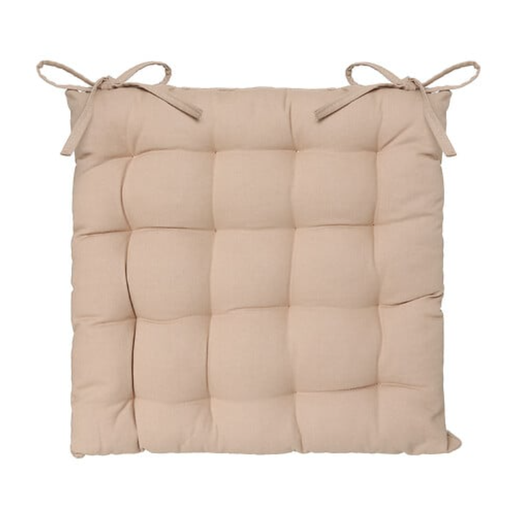
Why This Fits Their Persona: For anyone looking to upgrade the comfort of their existing chair without making a major investment right away. A quick and effective solution for a hard or worn-out seat.
This product bypasses the trap of a poor investment in a new chair by offering a targeted, cost-effective upgrade. It's an honest solution for a specific problem: an uncomfortable seat.
Instantly improves pressure distribution and seating comfort. The material blend of acrylic fibre, cotton, and polyester offers a breathable texture with enhanced durability.
The lifespan of an office chair depends heavily on the quality of its components and its usage. A chair with a sturdy metal base, high-quality casters, and a cover with high abrasion resistance can last 5 to 10 years with daily use. The gas lift cylinder is often the first component to show wear. Look for information on the gas lift class (Class 3 or 4 is a good standard).
An office chair without armrests can certainly be ergonomic; it all depends on your work style. The advantage is that it allows for more freedom of movement and can be pushed completely under the desk, which encourages an upright posture. This is a great option for people who don't rest their arms while typing or require a lot of lateral movement. However, those prone to shoulder tension will benefit from adjustable armrests for relief.
Proper adjustment is crucial. Follow this simple checklist: