
Lieferung heute & morgen

Qualitätsgarantie

Willkommens-Angebote freischalten: KOSTENLOSE Lieferung | Bis zu 80 % RABATT | Kostenlose 30-Tage-JoyPlus-Testphase
App herunterladen
By Joybuy Product Recommendation Officer, July 28, 2026
Anyone who spends hours at a desk every day knows the challenges: neck tension, lower back pain, and progressively poor posture. An ergonomic office chair is often presented as the solution, but the market is overwhelming. Many products promise more than they can deliver. This guide will help you identify the crucial features and avoid common purchasing traps.
Before we dive into the important features, let's clear up the most widespread misconceptions that often lead to a poor purchasing decision.
To avoid buyer's remorse, focus on objective, verifiable criteria. A good ergonomic desk chair is defined by three core areas.
A chair must adapt to your body's dimensions, not the other way around. Look for the following adjustment options:
The lumbar spine is subjected to particularly high stress when sitting. An office chair with lumbar support is therefore essential to support the natural curve of the lower back. Ideally, this support is not only present but also adjustable in height and depth to align it precisely with your spine.
The longevity of a chair depends directly on the materials used and its construction.
Based on these criteria, we have identified a few models that are well-suited for different needs and work styles.
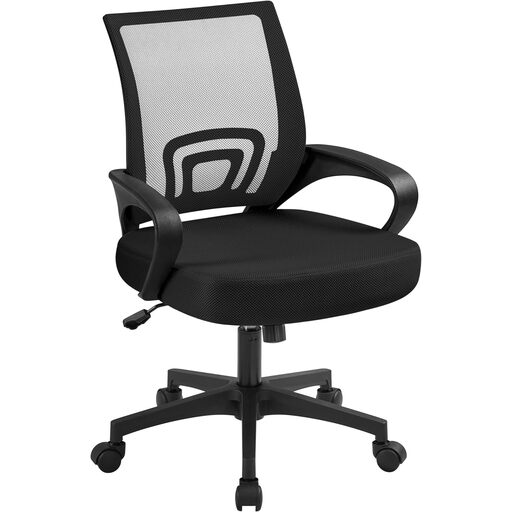
Why It's a Good Fit: Ideal for students or those new to working from home. It provides the necessary basic ergonomic functions without breaking the bank and is a significant upgrade from a standard chair.
This model avoids the empty "ergonomic" promise by offering verifiable features like an adjustable seat height, a rocking function, and integrated lumbar support.
According to the manufacturer, the gas lift is SGS and BIFMA certified and tested for over 100,000 cycles, indicating solid durability in this price range. The mesh backrest ensures good ventilation.
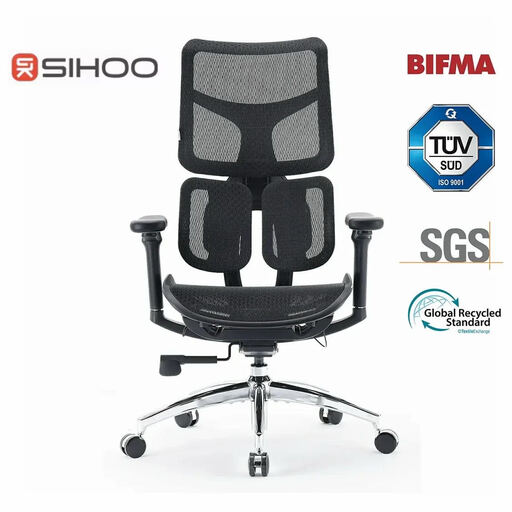
Why It's a Good Fit: For professionals who sit for eight hours or more each day. Its comprehensive and dynamic adjustment options are designed to actively support the body during long work sessions and prevent fatigue.
This model avoids the trap of rigid, inadequate support. According to the manufacturer, its dual dynamic lumbar support system automatically adapts to different postures, providing continuous rather than static support.
The 4D adjustable armrests and the five-level adjustable backrest allow for very fine-tuned adjustments. The aluminum frame and BIFMA/SGS certifications signify high material quality and longevity.
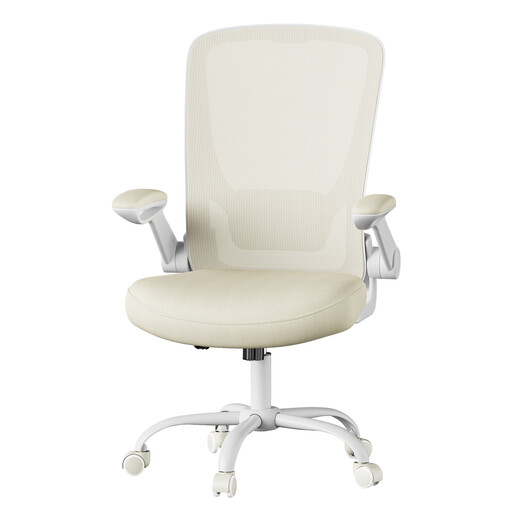
Why It's a Good Fit: Perfect for workspaces integrated into living rooms or bedrooms. When the chair is not in use, it can be pushed neatly under the desk thanks to its flip-up armrests, saving valuable space.
This model debunks the myth that functional ergonomics must be bulky. It combines a solid set of ergonomic features with a smart, space-saving design, thus avoiding the impractical "executive chair" trap.
The flip-up armrests are the key advantage for flexible space management. At the same time, the chair offers adjustable seat height, adjustable lumbar support, and a rocking function for enhanced comfort during work.
We've compiled a complete, up-to-date list of products that fully meet these strict selection criteria and current safety standards.
The lifespan of an office chair depends heavily on material quality, frequency of use, and maintenance. Models with BIFMA or SGS certification are designed for longer durability, often for a service life of several years under normal use. Regularly checking the screws and proper cleaning can further extend its lifespan.
A good basic setup follows these three steps:
Both materials have their pros and cons. A mesh office chair is highly breathable and prevents heat buildup, which is particularly pleasant during long workdays or in warmer environments. A high-quality padded chair can often distribute pressure on the sit bones and thighs more evenly. The choice is ultimately a matter of personal preference and individual comfort.