
Lieferung heute & morgen

Qualitätsgarantie

Willkommens-Angebote freischalten: KOSTENLOSE Lieferung | Bis zu 80 % RABATT | Kostenlose 30-Tage-JoyPlus-Testphase
App herunterladen
By the Joybuy Product Recommendation Officer, July 28, 2026
Anyone who spends hours at a desk every day knows the challenge: an unsuitable chair can not only compromise comfort but also lead to muscle tension. However, the search for a suitable ergonomic office chair is often overwhelming. Many products advertise themselves as "ergonomic" without meeting the crucial criteria.
This guide will help you separate the wheat from the chaff. We'll show you the most common pitfalls to avoid and explain the objective features that truly matter, so you can make an informed decision for your home office or workplace.
Before diving into the features of a good chair, it's helpful to understand the typical mistakes that lead to a bad purchase.
To avoid these pitfalls, you should focus on a few verifiable technical features when making your selection. These form the foundation of a truly supportive and ergonomically designed desk chair.
One of the most critical components is the lumbar support. It supports the lower back (the lordotic curve) and promotes a natural spinal posture. Pay attention to these differences:
A swivel chair with lumbar support that is at least height-adjustable is a basic requirement for long, comfortable sitting.
A good chair for the home office or workplace must adapt to you, not the other way around. Check for these adjustment options:
The material influences both comfort and longevity.
Here are some recommendations tailored to different user profiles and their specific requirements.
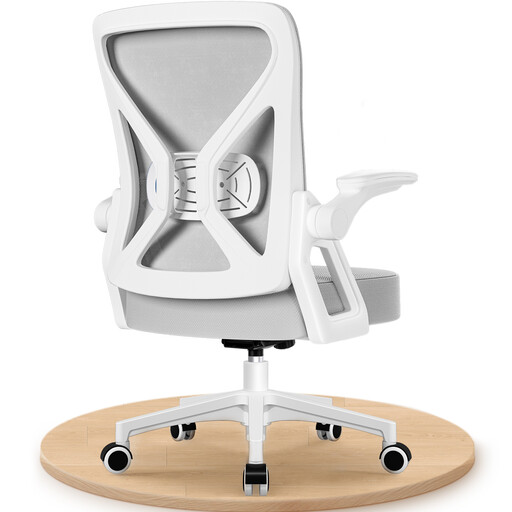
Why it's a good fit: Ideal for students or professionals looking for a solid ergonomic foundation without a large budget. It covers the essential functions for occasional to regular use in a home office.
This model offers adjustable lumbar support and a customisable seat height, going beyond a mere marketing promise. The mesh backrest prevents the heat build-up common with non-breathable materials.
Features flip-up armrests for space-saving storage and a tilt function up to 125°. The maximum load capacity is 150 kg, according to the manufacturer.
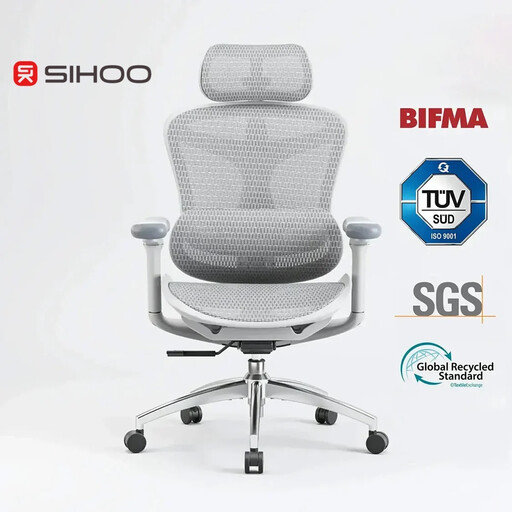
Why it's a good fit: Designed for individuals who sit for more than eight hours a day. Its advanced adjustment features are aimed at providing optimal body support even during long periods of focused work.
This chair goes far beyond the "one-size-fits-all" trap. It offers self-adjusting lumbar support that adapts to the user's movements and 3D armrests that recline in sync with the backrest.
Features an intelligent weight-sensing mechanism and a four-position adjustable backrest. According to the manufacturer, the product meets standards like EN1335 and is T?V-certified.
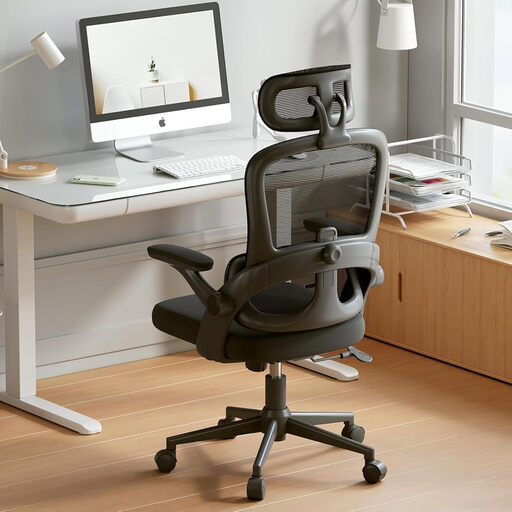
Why it's a good fit: Perfect for users who need a fully functional ergonomic chair that can be discreetly integrated into their living space when not in use. The combination of ergonomics and a space-saving design is key here.
This model solves the "one-size-fits-all" trap with flip-up 3D armrests. These can not only be adjusted but also folded away completely to slide the chair under any desk. The separately adjustable mesh lumbar support provides targeted support.
Offers comprehensive ergonomics with an adjustable headrest, lumbar support, and armrests. The mesh lumbar support is vertically adjustable by 6 cm and ensures ventilation.
We've compiled a complete, up-to-date list of products that fully meet these strict selection criteria and comply with German safety regulations.
1. How do I correctly adjust an ergonomic office chair? Start with the seat height: your feet should be flat on the floor with your knees at a 90-degree angle. Next, adjust the lumbar support to fill the natural curve of your lower back. Set the armrests so that your forearms rest comfortably and your shoulders are relaxed.
2. Is a mesh back or a padded back better? This depends on personal preference. A mesh back is highly breathable and ideal for people who tend to sweat or work in warmer environments. A padded back often provides a softer, more enveloping feel that some users find more comfortable. The quality of the material is crucial for both.
3. How long does a good ergonomic office chair last? The lifespan heavily depends on the quality of the components and the intensity of use. Models with a sturdy metal base, a high-quality gas lift (e.g., Class 3 or 4), and durable upholstery can last five to ten years or more with normal use. Regular maintenance, such as tightening screws, can extend its lifespan.