
Lieferung heute & morgen

Qualitätsgarantie

Willkommens-Angebote freischalten: KOSTENLOSE Lieferung | Bis zu 80 % RABATT | Kostenlose 30-Tage-JoyPlus-Testphase
App herunterladen
For many of us, long hours at a desk have become the norm. A suitable ergonomic office chair is not a luxury, but a fundamental investment in focused work and long-term back health. However, the market is flooded with products whose marketing promises often suggest more than the design actually delivers.
As a Joybuy Product Recommendation Officer, I see daily which features truly define a quality chair and where the most common pitfalls lie. This guide will help you navigate the jungle of options and make an informed decision that pays off.
Before we dive into the important features, let's look at the typical mistakes that lead to dissatisfaction and unnecessary expense.
To avoid these traps, focus on objective, measurable criteria. Three areas are of central importance.
A chair should adapt to you, not the other way around. Look for the following adjustment features to ensure a truly ergonomic desk chair:
The choice of material affects both comfort and durability.
Certifications like BIFMA (Business and Institutional Furniture Manufacturer's Association) or the European standard EN 1335 provide insight into the durability and safety of a chair. They test, among other things, the stability of the base, the durability of the casters, and the load capacity of the gas lift. A certified swivel desk chair has undergone standardized tests, which is an indicator of solid build quality.
Based on these criteria, we have curated a selection of models for different needs and budgets.
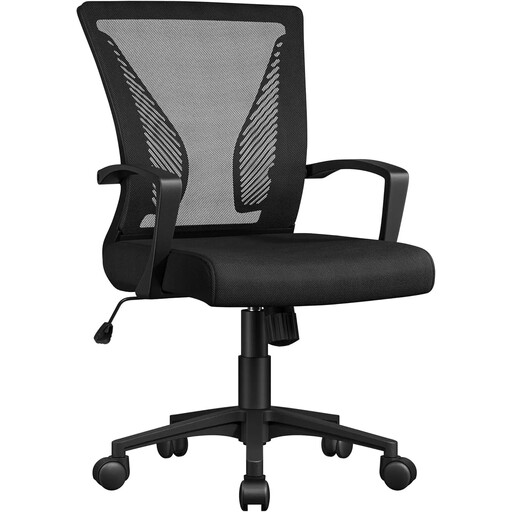
Why it's a great fit: Ideal for students or a first home office. It focuses on the essentials: a breathable mesh backrest, reliable height adjustment, and solid base stability for daily use without a high initial investment.
This model avoids the empty "ergonomics" promise by focusing on functional basics instead of advertising premium features it doesn't have. Its solid construction, with a weight capacity of up to 136 kg, bypasses the trap of short-lived materials in the entry-level segment.
Breathable mesh backrest for excellent thermal comfort and a stable base for secure work.
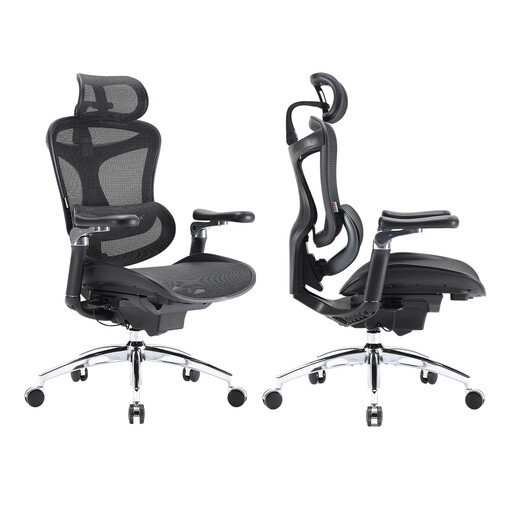
Why it's a great fit: For professionals with a home office chair who sit for many hours a day. This chair offers maximum adjustability to prevent fatigue and serves as a great chair to combat back pain.
This SIHOO office chair avoids the "one-size-fits-all" trap through its extreme level of customisation. The dynamic lumbar support, seat depth adjustment, and ultra-soft 6D armrests allow for precise tuning to almost any body type and working position.
Dynamic lumbar support that adapts to the user's movements and 6D armrests for complete relief of the shoulder-arm area.
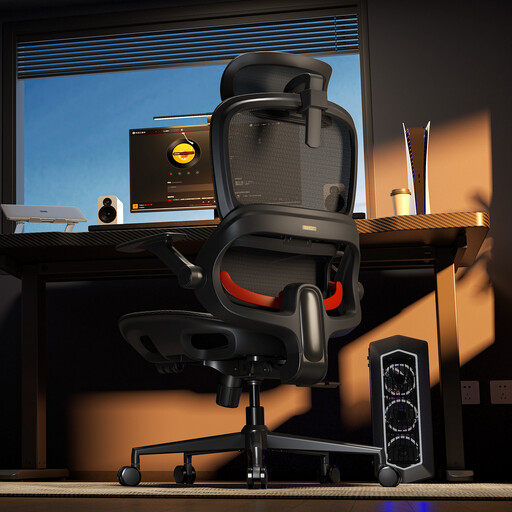
Why it's a great fit: Perfect for users who not only work at their desk but also want to read or relax during breaks. The combination of an adjustable backrest and a retractable footrest creates a comfortable reclining position.
This model is more than just a simple chair; it offers an additional function that delivers real added value. Instead of just being marketed as "ergonomic," the chair with a footrest delivers a concrete, practical solution for changing needs at the workstation.
Integrated, retractable footrest and a deeply reclining backrest for relaxing breaks right at your desk.
We've compiled a complete, up-to-date list of products that fully meet these strict selection criteria and safety regulations.
Start with the seat height: your feet should be flat on the floor with your knees at an approximately 90-degree angle. Next, adjust the seat depth so there is a gap of 3-4 fingers' width between the back of your knees and the edge of the seat. Then, adjust the lumbar support to fit the natural curve of your lower spine. Finally, adjust the armrests so your forearms rest at a 90-degree angle with relaxed shoulders.
The number indicates the directions of adjustment:
Lumbar support is one of the most critical features of an ergonomic office chair. It supports the natural curve of the lumbar spine and prevents the lower back from slumping into an unhealthy, rounded position. This can significantly help prevent the tension and long-term back pain caused by poor posture.