
Lieferung heute & morgen

Qualitätsgarantie

Willkommens-Angebote freischalten: KOSTENLOSE Lieferung | Bis zu 80 % RABATT | Kostenlose 30-Tage-JoyPlus-Testphase
App herunterladen
Long hours at a desk, whether in a home office, a corporate setting, or while studying, take their toll. Neck tension and lower back pain are often the consequences of an unsuitable chair. An ergonomic office chair is not a luxury item, but a fundamental necessity for healthy and productive work.
However, the market is flooded with models that promise more than they deliver. Before you make a decision, it's crucial to understand the common pitfalls that often lead to disappointment and discomfort.
To avoid a bad purchase, you should focus your attention on a few, but decisive, technical parameters. These determine whether a chair is truly a support for your body or just a short-term solution.
Adaptability is the heart of any ergonomic chair. A height-adjustable office chair is the absolute minimum requirement to allow you to place your feet flat on the floor and maintain a right angle at your knees.
Equally important is a chair with lumbar support. Make sure this support is height-adjustable so it can be precisely tailored to the natural curve of your lumbar spine. A swivel chair with armrests relieves tension in the shoulder and neck muscles. Models with height-adjustable or flip-up armrests offer additional flexibility, as they allow the chair to be pushed under the desk to save space.
The material of the backrest and seat has a direct impact on comfort, especially during long workdays. A mesh office chair offers excellent breathability and prevents heat buildup in the back area. This is a major advantage, particularly in warmer months or in poorly air-conditioned rooms.
While upholstered chairs can provide a softer feel, pay attention to the foam density. High-density foam retains its shape longer and prevents "bottoming out." Regardless of the material, the maximum static load capacity is an important indicator of the chair's stability. Check that the specified weight capacity offers enough leeway for your needs.
Instead of making a blanket recommendation, we have identified models that are tailored to specific user profiles and their requirements.
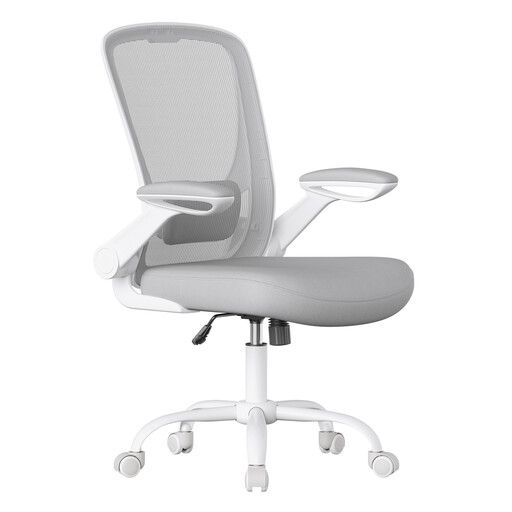
Why it's a good fit: Ideal for students or those new to working from home who need a functional, ergonomic setup without a high investment. The flip-up armrests are a practical, space-saving feature for smaller apartments or rooms.
This model bypasses the "one-size-fits-all" trap by offering genuine adjustability in seat height and lumbar support, rather than just providing a rigid shape.
Space-saving design thanks to flip-up armrests and a breathable mesh back for comfort even during extended use.
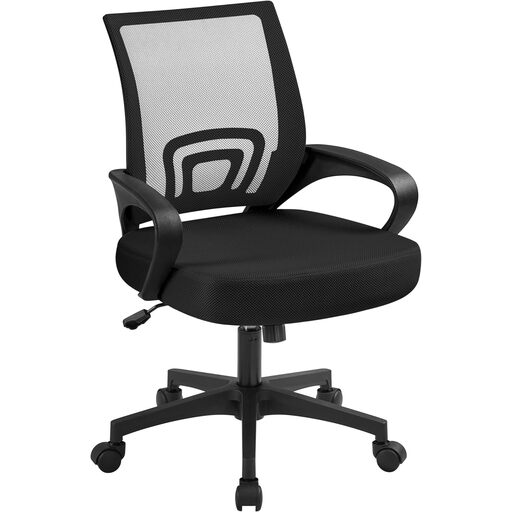
Why it's a good fit: For professionals who spend many hours at their desk daily and need a chair with proven longevity. The mention of SGS and BIFMA certifications indicates a focus on stability and material quality.
This model addresses the pitfall of subpar components. According to the manufacturer, parts like the gas lift have undergone rigorous testing, suggesting greater reliability and safety.
Tested components (SGS and BIFMA certified, per the manufacturer) and a solid construction for reliable, long-term use under heavy load.
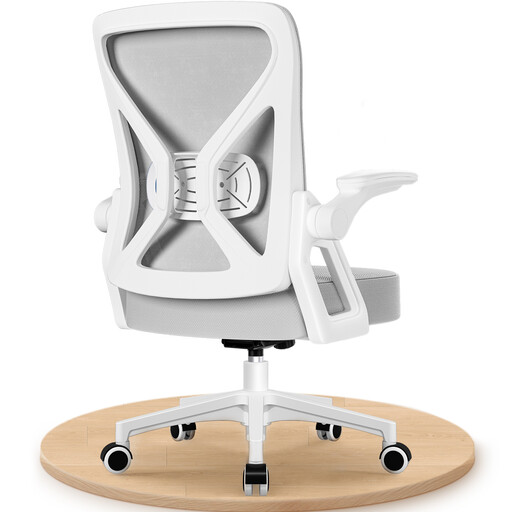
Why it's a good fit: Perfect for users who want more than just an upright sitting position. The backrest, which reclines up to 125°, allows for relaxing breaks and posture changes throughout the day, breaking the monotony of sitting.
This model offers a true, functional recline feature that goes beyond a simple rocking mechanism. The ability to lock the backrest in a reclined position provides real value for relaxation breaks.
Extended recline function up to 125° and an adjustable lumbar support for flexible adaptation to focused work sessions and short rest periods.
We've compiled a complete, up-to-date list of products that meet the selection criteria mentioned here.
Start with the seat height: your feet should be flat on the floor and your knees should form an angle of about 90 degrees. Next, adjust the lumbar support to support the natural curve of your lower back. The armrests should be set so that your forearms rest horizontally on them with your shoulders relaxed.
The lifespan heavily depends on the quality of the components and the intensity of use. For entry-level to mid-range models, you can expect a lifespan of 2 to 5 years with daily use. Pay attention to the manufacturer's warranty period and look for certifications that indicate higher material quality.
There is no single best choice; it comes down to personal preference. A mesh office chair is unbeatable for breathability and is ideal for people who tend to sweat. A well-upholstered chair can provide a feeling of more softness and comfort. However, more important than the material is that the chair offers the right adjustment options for your body type.