
Lieferung heute & morgen

Qualitätsgarantie

Willkommens-Angebote freischalten: KOSTENLOSE Lieferung | Bis zu 80 % RABATT | Kostenlose 30-Tage-JoyPlus-Testphase
App herunterladen
An ergonomic office chair is an investment in your health, especially if you spend hours at a desk every day. But the market is overwhelming, and many products don't live up to their promises. False claims and poor-quality construction often lead to disappointment and, in the worst cases, new aches and pains instead of relief.
As your Joybuy Product Recommendation Officer, I'll help you identify the crucial features and avoid common purchasing traps. This guide focuses on the objective criteria that define a great chair.
Many buyers focus on design or price, overlooking critical flaws that only become apparent after a few weeks of use. Pay special attention to these three points:
To avoid a bad purchase, you should focus on verifiable technical features. A truly great ergonomic desk chair is defined by the following three core parameters.
Calling an office chair adjustable is easy. The crucial part is what can be adjusted. Look for these four adjustment options:
The mechanism determines how the chair moves with your body. The synchronous mechanism is the standard for high-quality models here. When you lean back, the backrest tilts more than the seat (e.g., at a 3:1 ratio). This encourages movement, stimulates blood circulation, and supplies nutrients to the intervertebral discs.
The longevity of a chair depends directly on the materials used. Pay attention to the following points:
Based on the criteria mentioned, we have identified a few models suitable for different needs, whether for a home office chair or a professional environment.
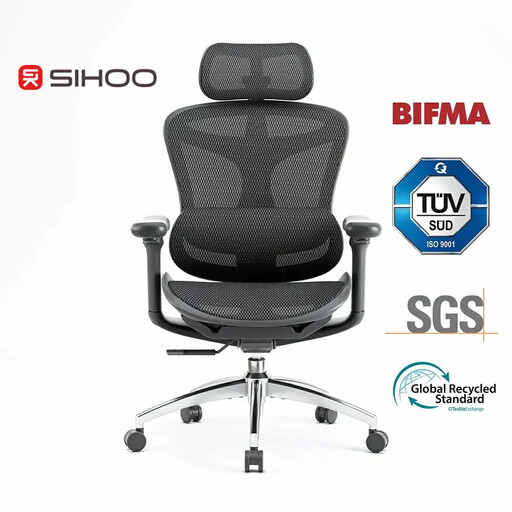
Why This Fits Their Persona: Ideal for individuals who spend many hours at their desk daily and need a reliable, adaptable solution. This chair offers advanced ergonomic features typically reserved for more expensive models.
The self-adaptive lumbar support dynamically adjusts to your movements, avoiding the trap of a rigid, ill-fitting support. The high-quality mesh fabric and BIFMA certification ensure long-term durability.
A dynamic, self-adaptive lumbar support and synchronized 3D armrests that move with the backrest. This promotes a consistently healthy posture.
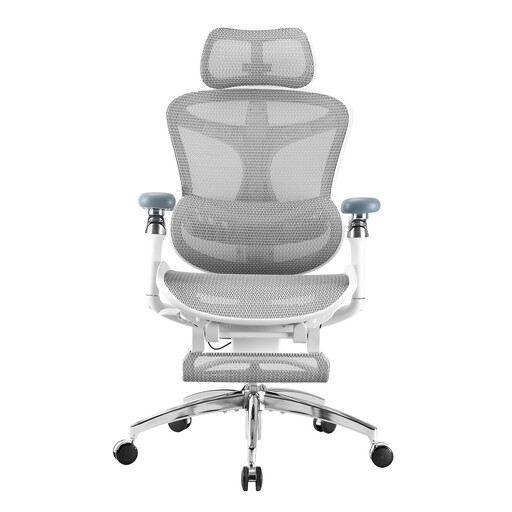
Why This Fits Their Persona: For users who refuse to compromise on comfort and adjustability. The 6D armrests allow for precise adaptation to any activity, from typing to taking a relaxing break.
This model goes far beyond mere "ergonomic" marketing. The 6D armrests and dynamic lumbar support offer a level of customization not found in standard chairs.
The ultra-soft 6D armrests provide unparalleled adjustability to relieve strain on the arms, shoulders, and neck. Includes a footrest for maximum relaxation.
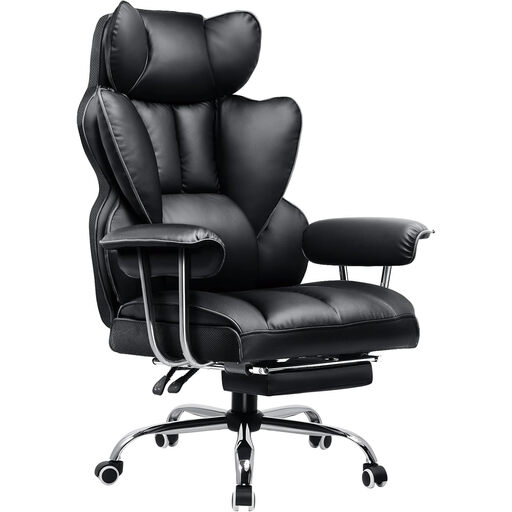
Why This Fits Their Persona: A great choice for students, gamers, or budget-conscious buyers looking for a chair with fundamental ergonomic functions and added comfort features like a footrest.
Instead of just wearing a label, this chair offers a concretely adjustable backrest (up to 135°) and a retractable footrest. It avoids the pitfall of a completely rigid chair by providing real adjustment options for relaxation.
The combination of a deeply reclining backrest and an integrated footrest offers a high level of comfort for breaks or relaxed work at an accessible price point.
We have compiled a complete, up-to-date list of products that fully meet these strict selection criteria and German safety regulations.
Correct adjustment is crucial to benefit from the ergonomic advantages. Follow these steps:
The lifespan heavily depends on the construction, materials, and usage. A high-quality chair with a metal base, certified components (e.g., to BIFMA standards), and durable upholstery can last 7 to 10 years with daily use. On cheaper models, the gas lift or mesh fabric are often the first parts to fail after 1-3 years.
Gaming chairs can be an alternative, but there are important differences. They often offer a deep recline function and extras like footrests. However, their "racing-style" seat shape with fixed side bolsters doesn't suit every body type. A dedicated ergonomic office chair typically offers more precise and targeted adjustment options, especially for the lumbar support and armrests. For specifically preventing back pain, a model with an adjustable lumbar support and a synchronous mechanism is often the better choice.