
Lieferung heute & morgen

Qualitätsgarantie

Willkommens-Angebote freischalten: KOSTENLOSE Lieferung | Bis zu 80 % RABATT | Kostenlose 30-Tage-JoyPlus-Testphase
App herunterladen
Anyone who spends long hours at a desk knows the consequences of poor posture: neck tension, lower back pain, and decreased concentration. An ergonomic office chair promises relief, but the market is confusing. Many models advertise themselves as "ergonomic" without meeting the crucial criteria. This guide will help you separate the wheat from the chaff and make an informed decision.
Before we dive into the important features, let's look at the typical traps that often lead to disappointment and wasted money.
To avoid a bad purchase, focus on verifiable, technical features. These three parameters are essential for long-lasting sitting comfort and a healthy posture.
The lumbar support is arguably the most important component for preventing back pain. It supports the natural S-curve of the lumbar spine. Make sure that this support is not only present but also adjustable—ideally in height and depth (contact pressure). Only then can it be precisely adapted to the contour of your back. An office chair with adjustable lumbar support is a basic requirement for anyone who sits for more than two hours a day.
The choice of upholstery material has a direct impact on comfort.
The stability and longevity of a chair depend significantly on its construction.
Instead of making a blanket recommendation, we have selected models that fit specific requirements and usage scenarios.
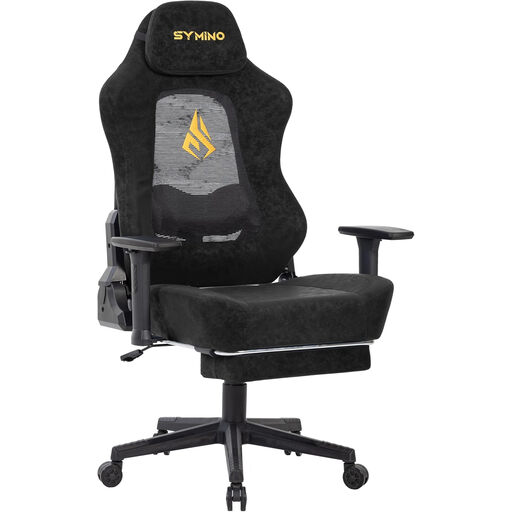
Why This Fits Their Persona: Ideal for long sessions, whether for work or play. The high weight capacity and extensive adjustment options provide comfort and support for many hours. The chair combines the look of a gamer chair with serious ergonomic features.
It bypasses the "gaming aesthetics" trap with a wingless seat base for more freedom of movement and an adaptive 3D lumbar support that provides real support. The cut-out backrest with mesh fabric solves the breathability problem of pure PU leather chairs.
Backrest recline up to 155°, weight capacity up to 150 kg, and a certified Class 3 gas lift. The combination of PU leather and mesh offers durability and comfort.
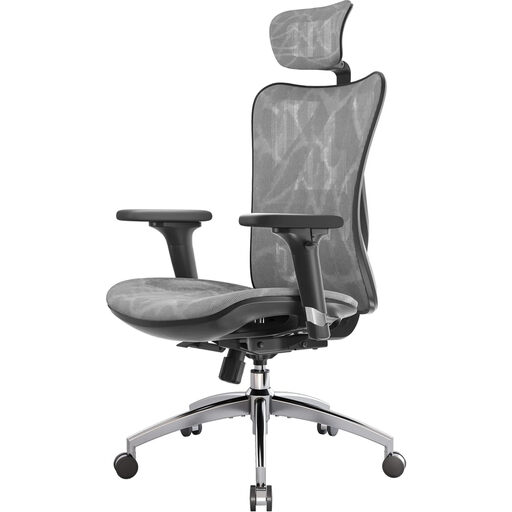
Why This Fits Their Persona: For users seeking a functional yet discreet computer chair for the home office. The design blends seamlessly into living and working spaces without compromising on ergonomic adjustment options.
This chair avoids the "ergonomic impostor" trap with five distinct adjustment modes, including an adjustable lumbar support and 3D armrests. The breathable mesh backrest also avoids the material trap of a non-breathable cover.
Full adjustability (headrest, lumbar support, armrests, height, recline). The W-shaped seat with a waterfall edge reduces pressure on the thighs. BIFMA and SGS certified according to the manufacturer.
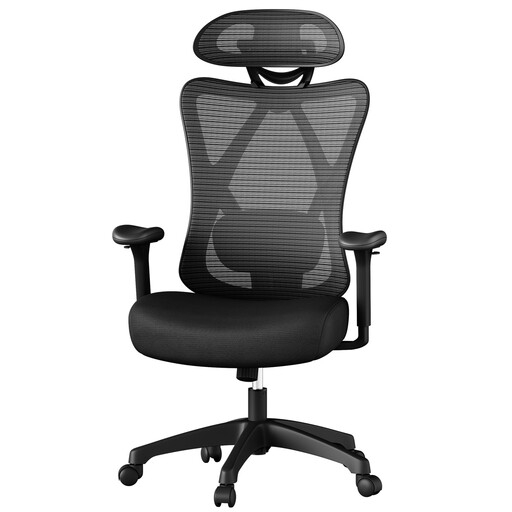
Why This Fits Their Persona: A solid choice for anyone needing a functional PC chair for studying or occasional home office use without a large investment. It covers the basic ergonomic needs.
Despite its accessible price point, it doesn't skimp on core features. It offers adjustable lumbar and headrest support, making it more than just a basic chair—it's a true entry-level ergonomic option, not an "impostor."
Breathable mesh backrest, adjustable lumbar support, and a high maximum weight capacity of 150 kg, which is not a given in this price range.
We have compiled a complete, up-to-date list of products that fully meet these strict selection criteria and safety regulations.
The lifespan of an ergonomic office chair depends heavily on the material quality, frequency of use, and maintenance. A high-quality model with a sturdy metal base, a Class 3 or Class 4 gas lift, and durable upholstery can last 5 to 10 years with normal use. Regularly tightening the screws and proper cleaning significantly contribute to its longevity.
There's no one-size-fits-all answer to this question, as it depends on the specific model, not the category. A high-quality gaming chair with fully adjustable lumbar support, 4D armrests, and breathable materials can be superior to a simple home office chair lacking these features. Focus on the criteria mentioned above—adjustability, material, and weight capacity—rather than the "gaming" or "office" label.
A correct initial setup is crucial. Follow this simple checklist: