
Lieferung heute & morgen

Qualitätsgarantie

Willkommens-Angebote freischalten: KOSTENLOSE Lieferung | Bis zu 80 % RABATT | Kostenlose 30-Tage-JoyPlus-Testphase
App herunterladen
Long gaming sessions or workdays at a desk take their toll—and your back is often the first to complain. An ergonomic gaming chair promises relief, but the market is overwhelming. Many models entice with a sporty look but quickly prove to be inadequate. Before you make a decision, it's crucial to know the common pitfalls that lead to disappointment and unnecessary expense.
As a Joybuy Product Recommendation Officer, I'll help you distinguish marketing hype from genuine quality features. This guide focuses on the facts so you can make an informed choice.
The 3 Most Common Mistakes When Buying a Gaming Chair:
To avoid a bad purchase, you should focus on objective, technical parameters. These three aspects are critical for comfort, longevity, and your health.
The mechanism connects the seat to the chair's base and dictates how the chair moves. For a PC chair to be truly ergonomic, this is the most important component.
The quality of the padding determines how long the chair remains comfortable. Look for high-density cold foam with a high density rating (specified in kg/m?). Values over 50 kg/m? are considered very durable and prevent the foam from "bottoming out."
There are also clear differences in upholstery materials:
A black and white gaming chair is a popular choice, but the material underneath is more crucial than the colour.
Every chair has a maximum weight capacity. Models like a gaming chair rated for up to 150 kg are equipped with a reinforced steel frame and a more robust base. It is crucial to choose a model designed for your body weight to prevent material fatigue and safety risks.
The core of the height adjustment is the gas lift. Look for models classified according to international safety standards (e.g., DIN 4550). A high-quality gas lift ensures smooth and reliable height adjustment for many years.
Here are three recommendations tailored to different needs and use cases.
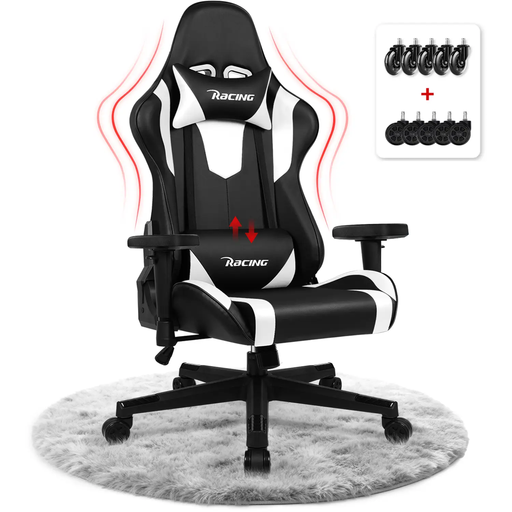
Why This Fits Their Persona: This chair is designed for intense and long gaming sessions. It offers maximum adjustability to provide optimal body support even after hours of sitting, which is essential for competitive players and streamers. It's a classic swivel chair for esports.
It bypasses the "ineffective adjustment features" pitfall with an integrated, adjustable lumbar and headrest support. The robust metal frame and 150 kg weight capacity counteract the problem of inferior materials.
High Weight Capacity: Designed for up to 150 kg. Comprehensive Adjustment: Backrest reclines from 90° to 170°, height-adjustable armrests, and separate supports for the lumbar and neck.
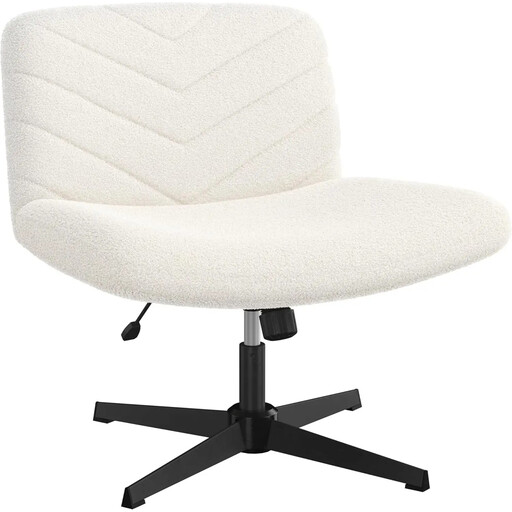
Why This Fits Their Persona: Ideal for individuals seeking a functional home office chair that blends seamlessly into a modern living environment. The wide seat and armless design allow for flexible sitting positions, including cross-legged.
This chair avoids the "racing aesthetics" trap by deliberately opting for a residential design with bouclé fabric, without sacrificing basic ergonomic functions like height adjustment and a 360° swivel.
Flexible Sitting: The 66 cm wide seat allows for various postures. Stable, Floor-Friendly Design: The fixed X-shaped metal base without casters offers high stability and protects sensitive flooring.
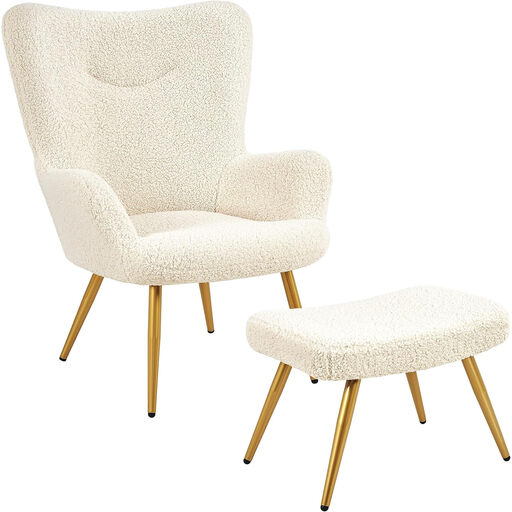
Why This Fits Their Persona: Perfect for the living room for relaxing with a controller or watching movies. The focus here is clearly on comfort and coziness, rather than the upright, active posture required by an office chair for gamers.
This set honestly positions itself as a lounge chair, not a highly ergonomic office chair. It avoids the pitfall of promising a function it doesn't deliver. The sturdy metal frame ensures the necessary durability.
High Comfort Factor: Soft teddy plush cover and a separate stool for putting your feet up. Sturdy Design: The chair supports up to 136 kg and the stool up to 98 kg, indicating a solid construction.
The lifespan heavily depends on the material quality and intensity of use. A high-quality model with a solid steel frame, high-density cold foam, and a certified gas lift can easily last 5 to 10 years with daily use. Cheaper models often show significant signs of wear and tear on the padding and mechanism after just 1-2 years.
Not necessarily. A high-quality ergonomic gaming chair and a good ergonomic office chair share many key features, such as a synchronous mechanism, adjustable armrests, and lumbar support. Gaming chairs often offer a higher backrest and more pronounced side bolsters, which provide support during intense gaming sessions. For purely office work, a simpler but equally ergonomic office chair might be the better choice, as it is often better optimized for a consistently upright working posture.
The lumbar support should support the natural S-curve of your lower spine. Position the support so that it fits snugly in the curve of your lower back, just above your beltline. The pressure should be noticeable but comfortable—it should support, not push you forward. On chairs with integrated, adjustable support, the position can usually be set more precisely than on models with loose cushions.