
Lieferung heute & morgen

Qualitätsgarantie

Willkommens-Angebote freischalten: KOSTENLOSE Lieferung | Bis zu 80 % RABATT | Kostenlose 30-Tage-JoyPlus-Testphase
App herunterladen
By Joy, Your Joybuy Product Recommendation Officer
Neck strain after a long day at work, a stiff neck after a restless night, or that familiar discomfort during travel—many of us know these situations all too well. The right pillow can make a noticeable difference. However, the market is saturated with different shapes, materials, and promises.
This article serves as your practical guide. We'll explain the key features to look for when making your choice and present a selection of products designed for various needs and applications. Our goal is to provide you with clear information so you can make an informed decision for greater everyday comfort.
Choosing the right pillow depends on your individual needs. Three key criteria will help you find the perfect option.
The material is a crucial factor in determining both comfort and support. Memory foam pillows (viscoelastic foam) are a popular choice because they react to body heat and pressure. The material conforms to the contours of your head and neck, then slowly returns to its original shape. This ensures even pressure distribution and stable support. Other materials, like the soft velvet fabric often used in travel pillows, primarily offer a premium surface feel.
Not all pillows are created equal. The shape should be tailored to its primary use case:
A pillow is an everyday item that regularly comes into contact with your skin and hair. Therefore, look for a removable and washable cover. This simplifies cleaning and contributes to the pillow's longevity and hygiene. Always check the manufacturer's care instructions, as the foam core is not usually machine-washable.
Based on the criteria mentioned above, we have curated a selection of products for different applications.
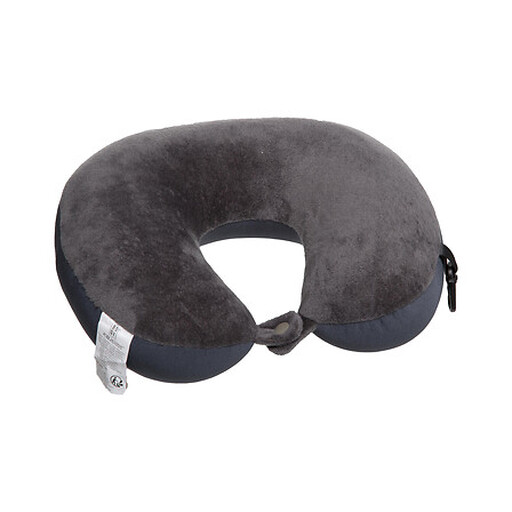
View Product: 5Five NECK VELVET CUSHION COLOR ASR
Why It Caught Our Eye This travel pillow from the French brand JJA Group combines the classic U-shape with an exceptionally soft velvet cover. It is designed to provide stable yet comfortable neck support while sitting during travel. Its compact design makes it a practical companion.
Pros
Who Is It For? For frequent travellers looking for a simple and comfortable solution to prevent neck strain on planes, trains, or in the car.
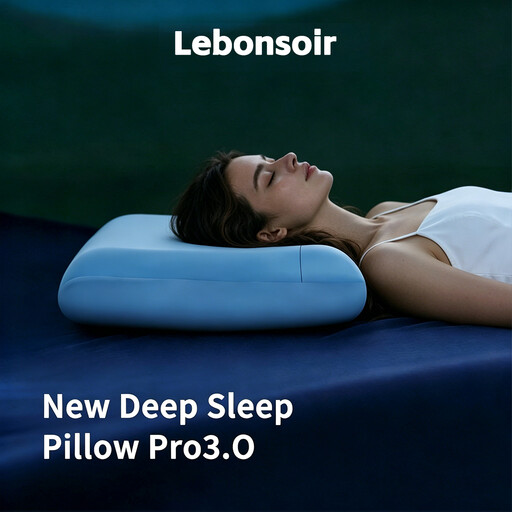
View Product: Lebonsoir Ergonomic Neck Support Pillow 3.0
Why It Caught Our Eye This pillow stands out with its thoughtfully engineered 3-layer foam construction. It combines a soft top layer of slow-rebound memory foam with a supportive middle layer and a stable base layer. The ergonomic contour, featuring a central cradle, is designed for various sleeping positions and aims to relieve pressure on the neck and shoulders.
Pros
Who Is It For? For individuals looking to improve their sleep quality and seeking a neck pillow for neck pain. It's an excellent option for those who often wake up with tension or need an adaptable side sleeper pillow.

View Product: Black Color-Car Lumbar Support Cushion Thin
Why It Caught Our Eye Ergonomic support doesn't stop at the neck. This cushion is designed as a lumbar support for cars, specifically filling the gap in the lower back area common in many car seats. It uses BASF bamboo charcoal memory foam, known for its supportive and breathable properties. The shape is engineered to provide precise support to the lumbar spine.
Pros
Who Is It For? For commuters, long-distance drivers, and anyone looking to improve their posture and reduce back fatigue during extended car journeys.
The products featured here offer targeted ergonomic support for the neck and back. However, sometimes you might be looking for different types of pillows to enhance comfort at home. If you wish to complement your living space with stylish and comfortable cushions, you may find suitable alternatives in our broader collection.
Explore our selection of beige chaise lounge cushions to make your home even cosier.
A pillow is considered ergonomic when its design aims to support the natural curvature of the cervical spine, keeping the head, neck, and back in neutral alignment. This is achieved through specific shaping (e.g., a wave-like contour) and adaptive materials like memory foam, which distribute pressure evenly and stabilise the body.
The lifespan depends on the material, frequency of use, and care. As a general guideline, memory foam pillows should be replaced every 2 to 3 years. Signs that a replacement is needed include a significant loss of support, permanent indentations, or visible signs of material wear.
There's no one-size-fits-all answer, as it's all about finding the right balance. The pillow should be firm enough to support the head and prevent it from sinking in too deeply, thereby keeping the spine straight. At the same time, it must be soft enough to relieve pressure points and feel comfortable. The ideal firmness largely depends on your preferred sleeping position, body weight, and personal preference.