
Lieferung heute & morgen

Qualitätsgarantie

Willkommens-Angebote freischalten: KOSTENLOSE Lieferung | Bis zu 80 % RABATT | Kostenlose 30-Tage-JoyPlus-Testphase
App herunterladen
The wrong pillow can be the source of morning neck pain, tension, and restless sleep. The market for ergonomic neck pillows is vast, but not every product delivers on its promises. Many people invest in a pillow designed to relieve tension, only to find it doesn't help or even makes the situation worse. This guide will expose the most common pitfalls and explain the crucial features you need to look for to make an informed decision.
Before you make a purchase, it's important to recognise the typical marketing claims that often lead to disappointment.
To find a suitable orthopaedic pillow that provides long-term comfort, you should carefully examine three technical aspects.
The material is a key determinant of comfort, support, and durability.
The shape of the pillow must match your primary sleeping position to keep the spine in a straight line.
The cover has a direct impact on your sleep climate and hygiene. A good cover should be removable and washable at a minimum of 40°C, and ideally at 60°C. Materials like Tencel, Lyocell, bamboo viscose, or specialised performance fabrics are known for their ability to wick away moisture and regulate temperature.
Here are some recommendations tailored to specific user profiles and the quality criteria mentioned above.
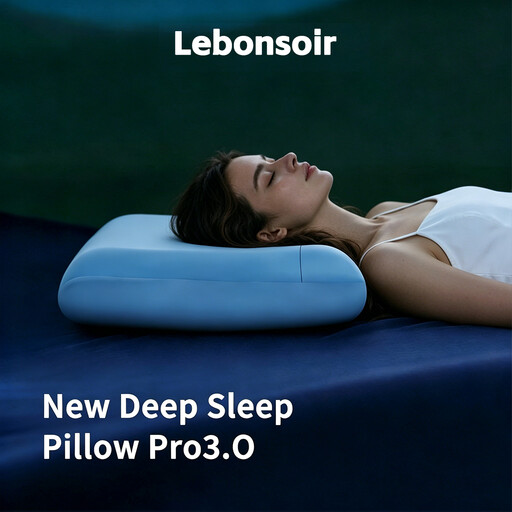
Why it's a good fit: The ergonomic contour is specially tailored to the curves of the neck and shoulders. Its height and shape are designed to fill the gap between the head and the mattress in a side-sleeping position, thus aligning the spine and counteracting typical shoulder tension.
Instead of a "one-size-fits-all" approach, this pillow offers a specific contour for the neck and shoulders. The 3-layer foam construction ensures long-lasting support and prevents it from flattening out quickly.
The 3-layer design combines a soft top layer for comfort with firmer layers underneath for stable support. According to the manufacturer, the cover is breathable and moisture-wicking.
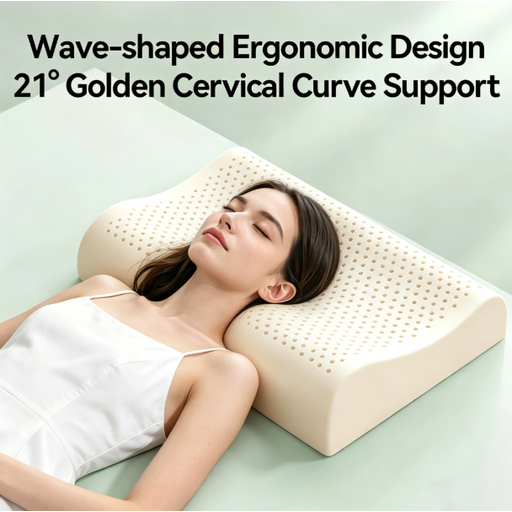
Why it's a good fit: For users who want to avoid synthetic foams, this pillow offers an alternative. According to the manufacturer, it is made of 93% natural latex, a material known for its breathability and natural resistance to dust mites.
Latex is naturally open-pored and breathable, which counteracts the heat-retention problem common in basic memory foam. As a durable material, it maintains its shape and support over a long period.
The pillow combines the benefits of a natural material with an ergonomic wave design that is suitable for various sleeping positions and provides consistent support.
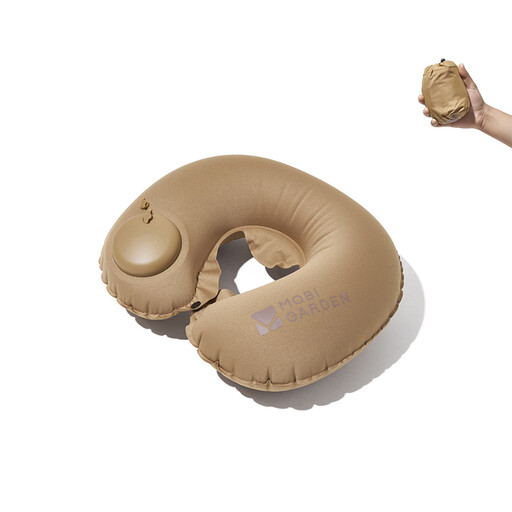
Why it's a good fit: For people who travel frequently by car, train, or plane, a compact and lightweight pillow is essential. This inflatable U-shaped pillow can be packed down small and quickly inflated when needed to support the neck while sitting.
This is not an all-purpose sleeping pillow but a specialised solution for a specific use case (travel). The firmness is individually adjustable via the amount of air, which counteracts the "one-size-fits-all" problem.
The design with an integrated pump allows for hygienic inflation without mouth contact. Its low weight of approx. 260g and small pack size make it a practical travel companion.
We have compiled a complete, up-to-date list of products that fully meet these strict selection criteria and safety regulations.
It's normal for your body to need time to adapt to the new sleeping posture. Expect an adjustment period of a few days up to two weeks. During this time, your neck and shoulder muscles will adapt to the correct, ergonomic support.
The lifespan of a memory foam pillow depends heavily on its quality and density. High-quality pillows can retain their supportive properties for about 2 to 3 years. If you notice that the pillow no longer quickly returns to its original shape or has become noticeably softer, it's time for a replacement.
A slight initial odour from newly packaged foam products is not uncommon. This smell comes from the manufacturing process and is generally harmless. It should dissipate if you let the pillow air out in a well-ventilated room for 24 to 48 hours before use.