
Lieferung heute & morgen

Qualitätsgarantie

Willkommens-Angebote freischalten: KOSTENLOSE Lieferung | Bis zu 80 % RABATT | Kostenlose 30-Tage-JoyPlus-Testphase
App herunterladen
By Joybuy Product Recommendation Officer, August 30, 2026
Waking up with neck tension is a widespread problem that can significantly impact your quality of life. An ergonomic neck pillow is often recommended as a solution, but the market is overwhelming and full of marketing promises. Many buyers invest in a product that fails to relieve their discomfort or even makes it worse.
To make an informed decision, it's crucial to understand the common pitfalls that lead to a bad purchase. Instead of trusting advertising slogans, you should focus on verifiable product features.
The 3 Most Common Traps When Buying a Pillow:
To avoid falling into these traps, focus on three objective criteria. These will help you separate the wheat from the chaff and find a pillow that will perform its function long-term.
The core material determines the pillow's support properties and durability.
The shape must match your primary sleeping position to keep the cervical spine in a neutral alignment.
A hygienic sleep environment is essential for recovery. Make sure the pillow cover is removable and washable at a minimum of 40°C (104°F). Breathable materials like cotton, Lyocell, or Tencel promote air circulation and moisture wicking.
Based on the objective criteria mentioned, we have compiled a selection of products for different user profiles.
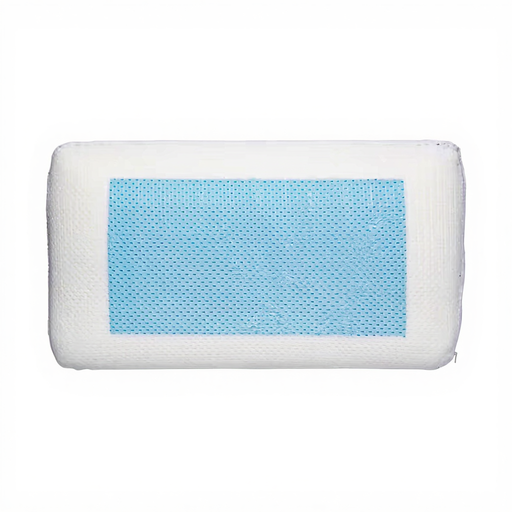
Why This Fits Their Persona: A great entry point to experience the benefits of an ergonomic pillow without a high initial investment. The gel component aims to improve temperature regulation, a common issue with basic memory foam pillows.
This pillow focuses on the fundamental ergonomic shape and the proven material combination of memory foam and gel, rather than relying on unproven additives.
Combination of supportive memory foam and a gel layer. The cover is removable and washable for easy hygiene.
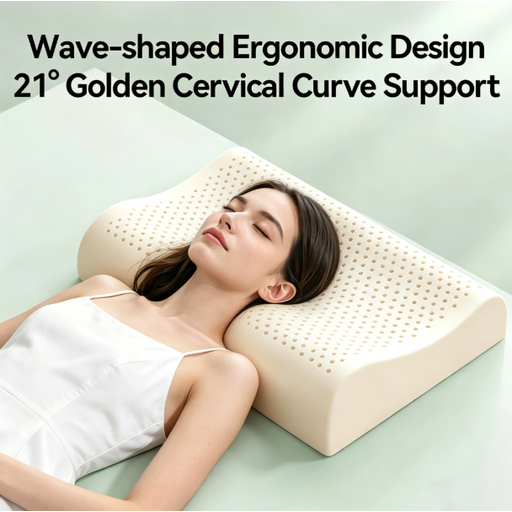
Why This Fits Their Persona: Ideal for users seeking a durable, breathable, and highly elastic solution. Natural latex provides excellent support that adapts instantly, without the delayed response of memory foam.
Relies on the verifiable properties of high-quality natural latex (93% content, according to the manufacturer) and an established ergonomic wave shape, rather than marketing buzzwords.
High point elasticity and breathability from natural latex. Naturally resistant to dust mites and very durable.
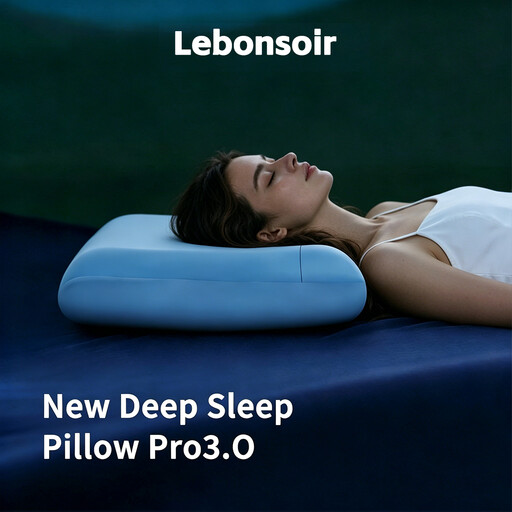
Why This Fits Their Persona: Designed for individuals with recurring neck and shoulder issues (e.g., cervical spine syndrome) who need targeted and structured support. The multi-layer construction is engineered for precise pressure relief.
Bypasses the "one-size-fits-all" trap with a specialised 3-layer structure that combines soft contouring with firm support, instead of using just a single block of foam.
Technical 3-layer construction for balanced pressure distribution. Ergonomic contours for targeted relief of the cervical spine.
The right choice is highly individual. If the models presented here don't exactly meet your requirements, you can find more options in our main category.
An adjustment period of 3 to 14 days is normal. Your body and muscles need to adapt to the new, correct sleeping posture. It can be helpful to use the pillow for only a few hours per night during the first week and gradually increase the duration.
For side sleepers, the pillow height should roughly match the distance between the base of your neck and the outer edge of your shoulder to completely fill the gap. Back sleepers generally need a flatter pillow to avoid overextending the neck. If you are unsure, an orthopaedic pillow with height-adjustable inserts is a safe choice.
The lifespan of a memory foam pillow depends heavily on its density. As a rule of thumb, replace it every 2 to 3 years. Clear signs that a change is needed are permanent indentations, a noticeable loss of support, or if the material starts to become crumbly.